
Ceramics in Energy Applications
Across the global energy sector—from traditional oil and gas to advanced nuclear fusion—engineers rely on advanced ceramics to enable higher performance, greater efficiency, and improved system reliability. As the demand for cleaner, more sustainable, and more resilient energy sources grows, technical ceramics continue to play a vital role in meeting the extreme mechanical, thermal, and chemical challenges of modern energy systems.
Precision Ceramics designs and supplies engineered ceramic materials that operate in harsh environments where metals and polymers fail. Their exceptional properties—such as high-temperature stability, electrical insulation, corrosion and wear resistance, and mechanical strength—make them indispensable in applications ranging from fuel containment and thermal management to electrical isolation and plasma-facing components.
Our materials extend component lifetimes, reduce maintenance, and enable innovation across multiple energy technologies. Through in-house processing and hot isostatic pressing (HIP), we enhance material properties beyond conventional limits. Our CeramaZirc Ultra Tough material, for example, delivers outstanding fracture toughness and performance under demanding operating conditions—ideal for the next generation of energy systems.

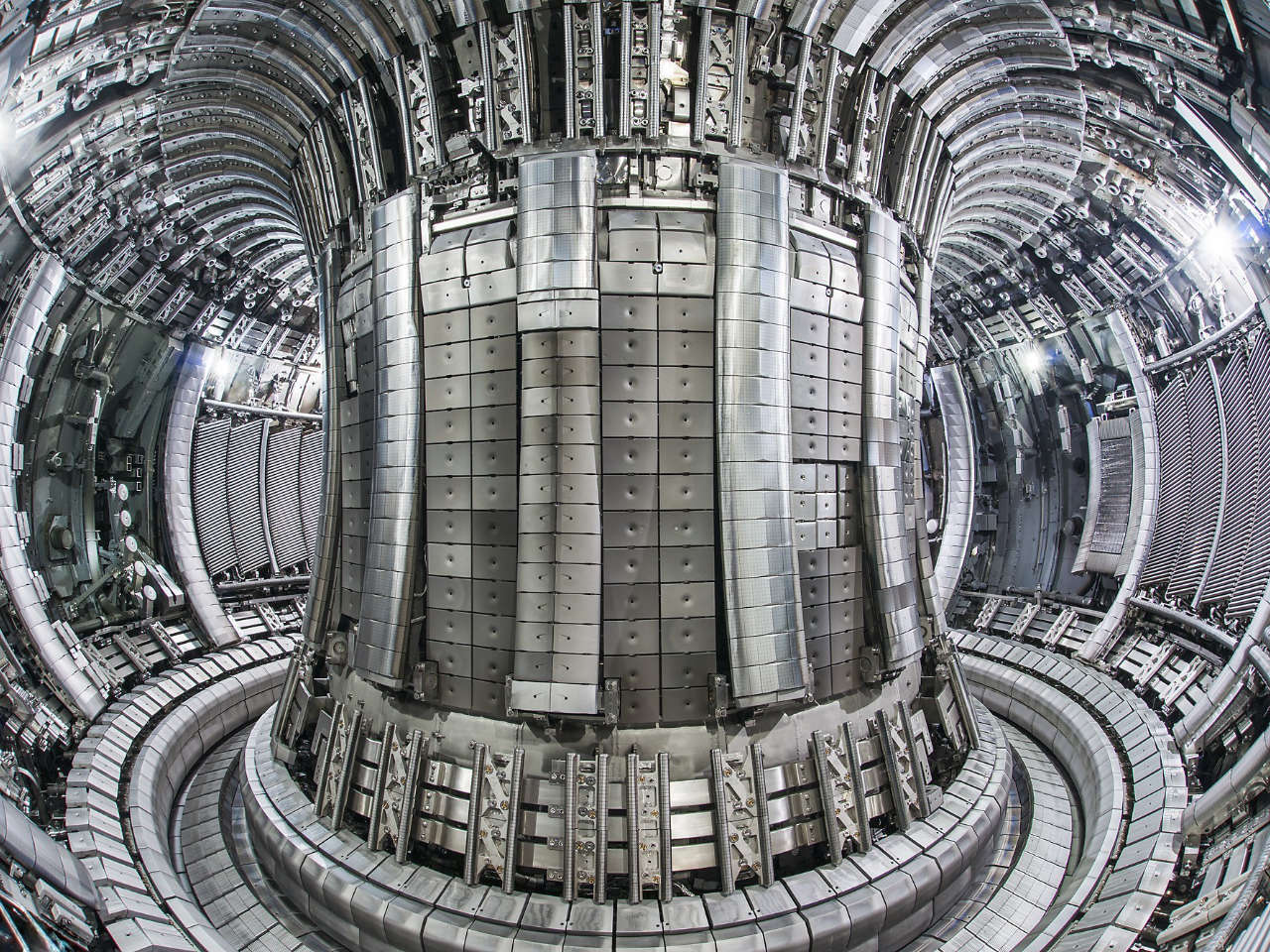
Nuclear Fusion
Precision Ceramics has decades of experience supplying ceramics for fusion research and reactor development. Our materials are used for plasma-facing components, diagnostic feedthroughs, insulators, and thermal barriers in some of the most extreme environments ever engineered.
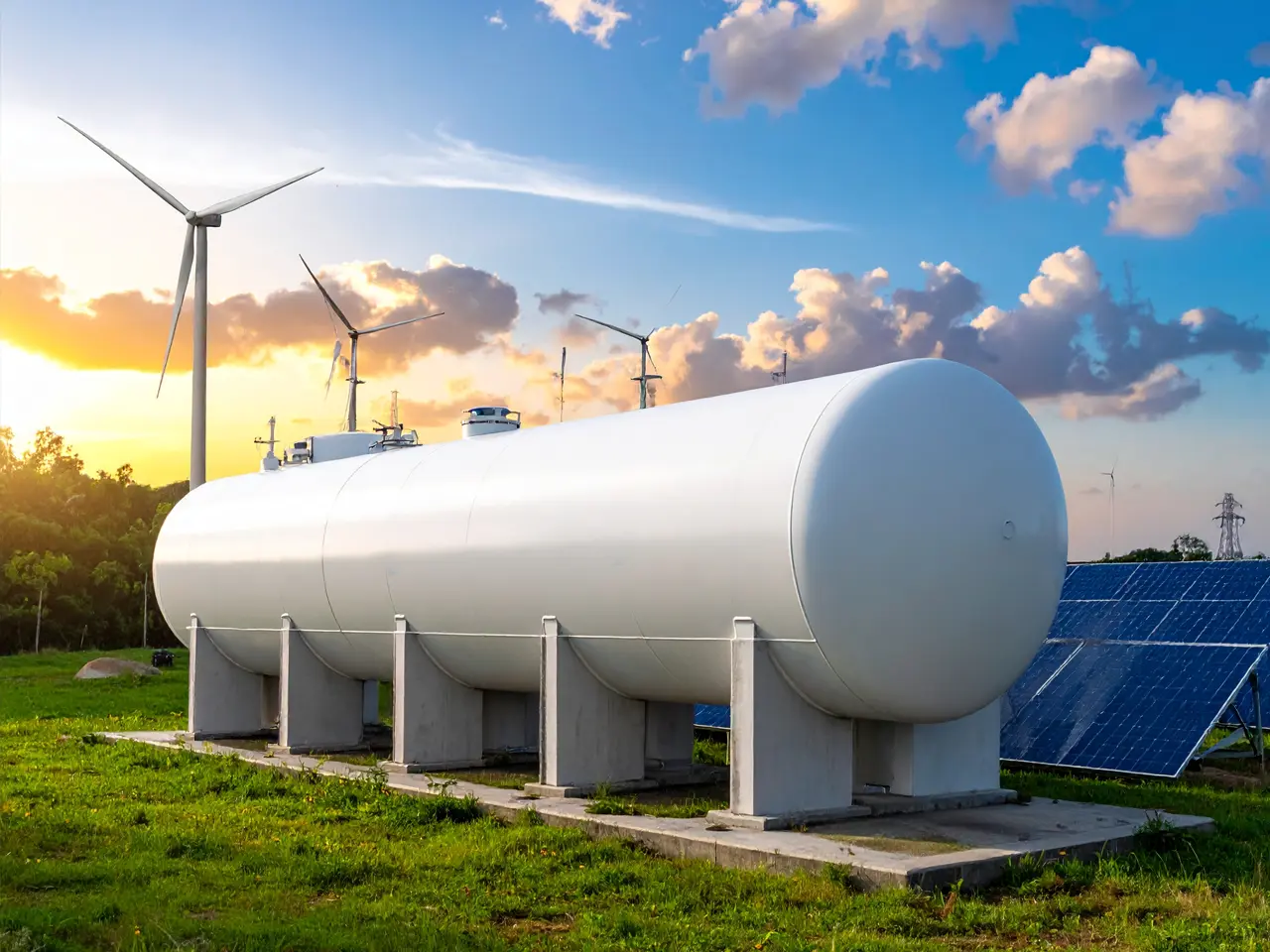
Hydrogen Energy
Ceramics are critical to hydrogen production, storage, and fuel cell technologies, where they ensure reliability in high-temperature and corrosive environments. Their electrical insulation and chemical stability make technical ceramics ideal for both proton exchange membrane (PEM) and solid oxide fuel cells (SOFCs), as well as hydrogen generation systems.
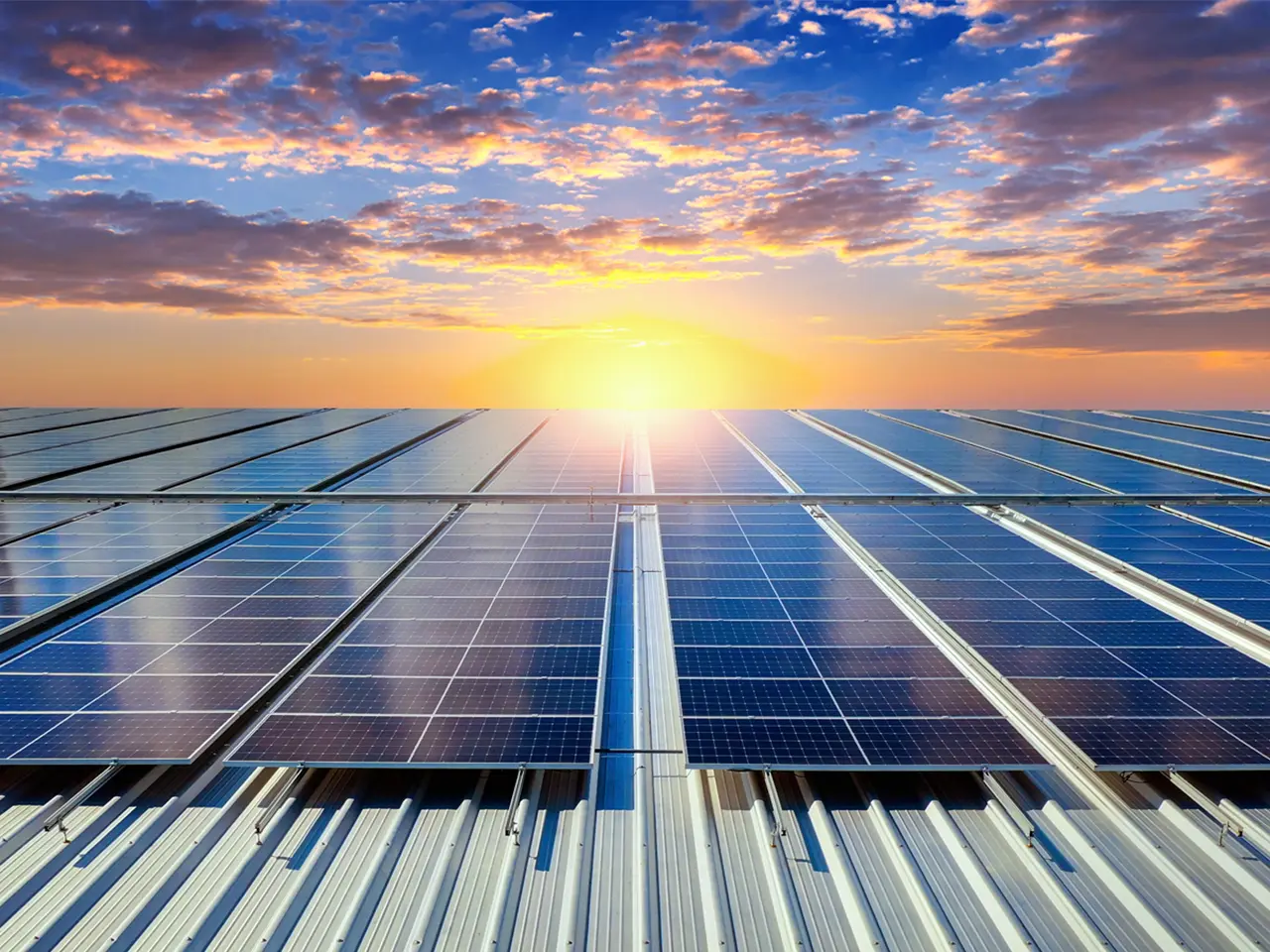
Solar Energy
From photovoltaic cell production to concentrated solar power systems, ceramics are key to achieving efficiency and durability. Precision Ceramics provides materials with high thermal conductivity, electrical insulation, and corrosion resistance for wafer processing, thermal management systems, and reflective components.

Oil and Gas
Even as the energy landscape transitions, oil and gas remain vital to global infrastructure. Ceramics play a crucial role in exploration, drilling, and refining, where components face extreme wear, pressure, and temperature. Our materials offer superior erosion resistance, electrical insulation, and dimensional stability, ensuring reliability in downhole tools, sensors, and high-performance valves.

Nuclear Fission (SMR)
Small Modular Reactors (SMRs) and advanced fission systems require materials that can withstand radiation exposure, high temperatures, and corrosive coolants over long lifecycles. Precision Ceramics supplies ceramics for control systems, fuel handling, sensor insulation, and containment structures—providing reliable performance and safety in compact, next-generation nuclear power designs.