
Bruchfestigkeit
Die Messung des KIC erfordert die Länge des Risses und die Kenntnis des Elastizitätsmoduls des Keramikmaterials.
Die Bruchfestigkeit ist eine wichtige Messgröße, da sie bestimmt, wie sich ein Material unter bestimmten Bedingungen verhält. Dies ist wichtig, da es selbst bei der hochwertigsten Keramik nahezu unmöglich ist, zu garantieren, dass die Endprodukte völlig fehlerfrei sind und daher eine Leistungsmessung erforderlich ist.
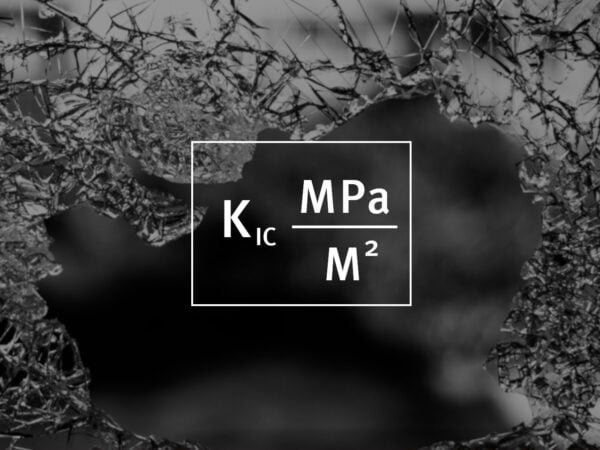
Materialien nach Bruchzähigkeit klassifiziert
In Bezug auf die Bruchfestigkeit ist Precision Ceramics CeramaZirc™ Ultra Tough der klare Sieger und übertrifft normales Zirkoniumdioxid um 7 MPa m1/2 – 17 MPa m1/2 für CeramaZirc™ Ultra Tough gegenüber 10 MPa m1/2 für Zirkoniumdioxid.

Zirkonia (ZrO2) - CeramaZirc™ Ultra Tough
17 MPa m1/2
CeramaZirc Ultra Tough is an exceptional advanced zirconia-based ceramic composite based on partially stabilized zirconia and alumina platelets. Developed initially for the oil and gas market, this material exhibits a strong combination of properties making it the most fracture tough ceramic we have ever developed.
Details

Siliciumnitrid (Si3N4) - CeramaSil-N™
8.5 MPa m1/2
Silicon Nitride has the most versatile combination of mechanical, thermal, and electrical properties of any advanced ceramic material.
Details
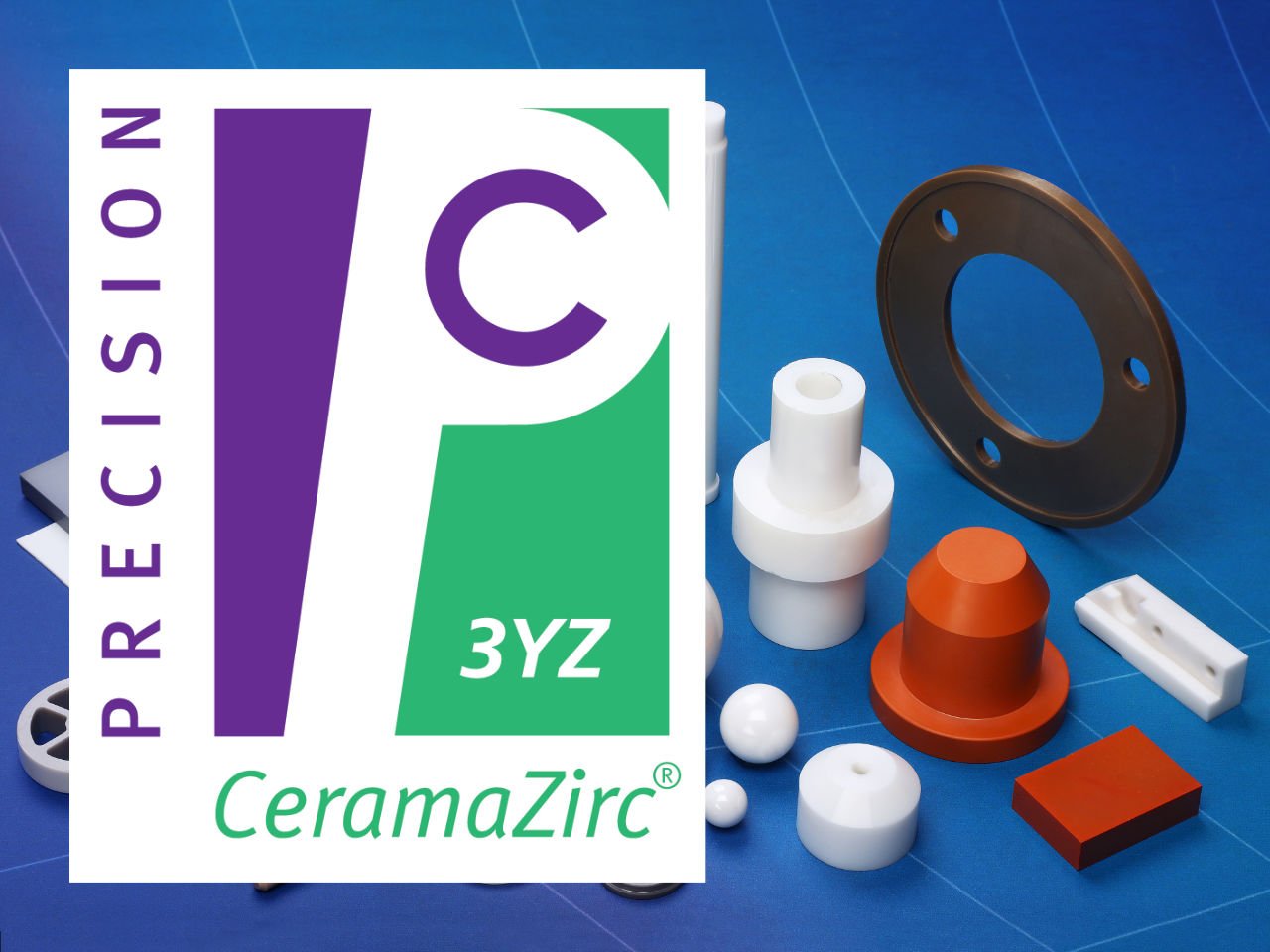
Zirconia (ZrO2) - CeramaZirc™ 3YZ
8 MPa m1/2
A high purity material that offers high strength, wear resistance, and flexibility far beyond those of most other advanced ceramics.
Details
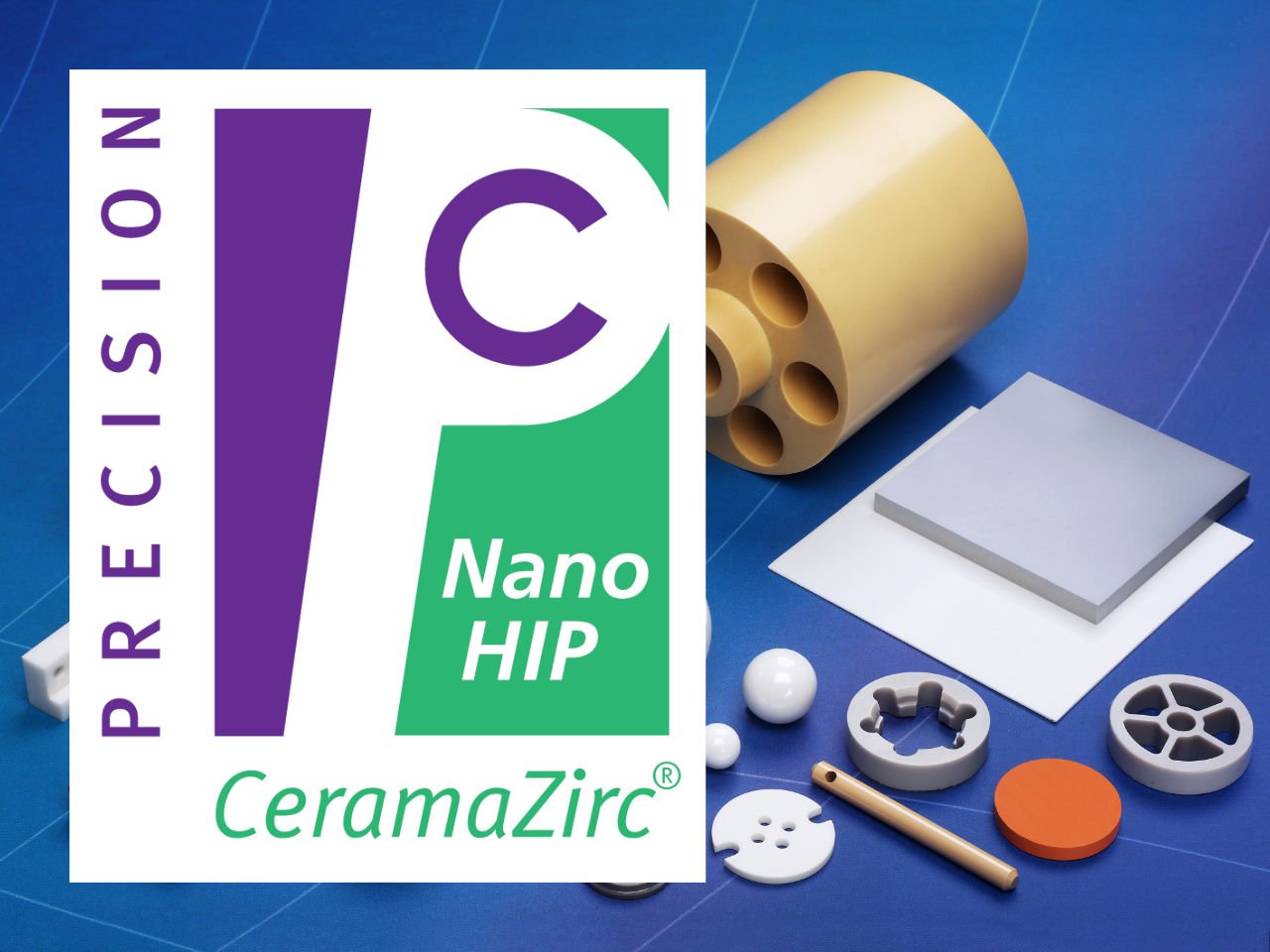
Zirkonia (ZrO2) - CeramaZirc™
8 MPa m1/2
A hipped material made using nano grade powder, Zirconia offers high strength, wear resistance, and flexibility far beyond those of most other advanced ceramics.
Details

Aluminiumoxid-Zirkonia (ATZ) - CeramAlloy™ ATZ
8 MPa m1/2
Alumina-Zirconia (ATZ) exhibits a combination of high hardness, strength, wear and corrosion resistance characteristic while maintaining reasonably high fracture toughness.
Details
Vergleichstabelle für Keramik Materialien
Ähnliche Eigenschaften

Festigkeit Keramik
Die Druckfestigkeit ist die Fähigkeit eines Materials, Belastungen standzuhalten, die zu einer Größenreduzierung führen. Anders ausgedrückt: Druckfestigkeit hält der Komprimierung (Zusammenschieben) stand, während Zugfestigkeit der Zugkraft (Auseinanderziehen) standhält.
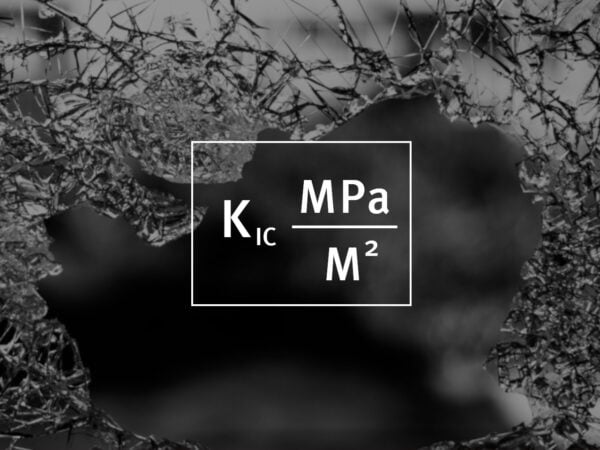
Bruchfestigkeit
Die Fähigkeit, Brüche zu überstehen, ist eine mechanische Eigenschaft von Materialien, die als Bruchfestigkeit bezeichnet wird. Für Hochleistungskeramiken wird ein kritischer Spannungsintensitätsfaktor (KIC) verwendet, bei dem der Riss normalerweise an den Bruchstellen auftritt.

Biegefestigkeit
Die Biegefestigkeit von Keramik ist die maximale Spannung in einem keramischen Material, kurz bevor es bei einem Biegetest nachgibt.