
Technical Ceramics in Nuclear Fission (Small Modular Reactors)
As the nuclear industry moves toward compact, modular, and scalable reactor designs, technical ceramics support improved efficiency, enhanced safety, and long-term reliability across SMR technologies.

Applications in Nuclear Fission & SMR Systems
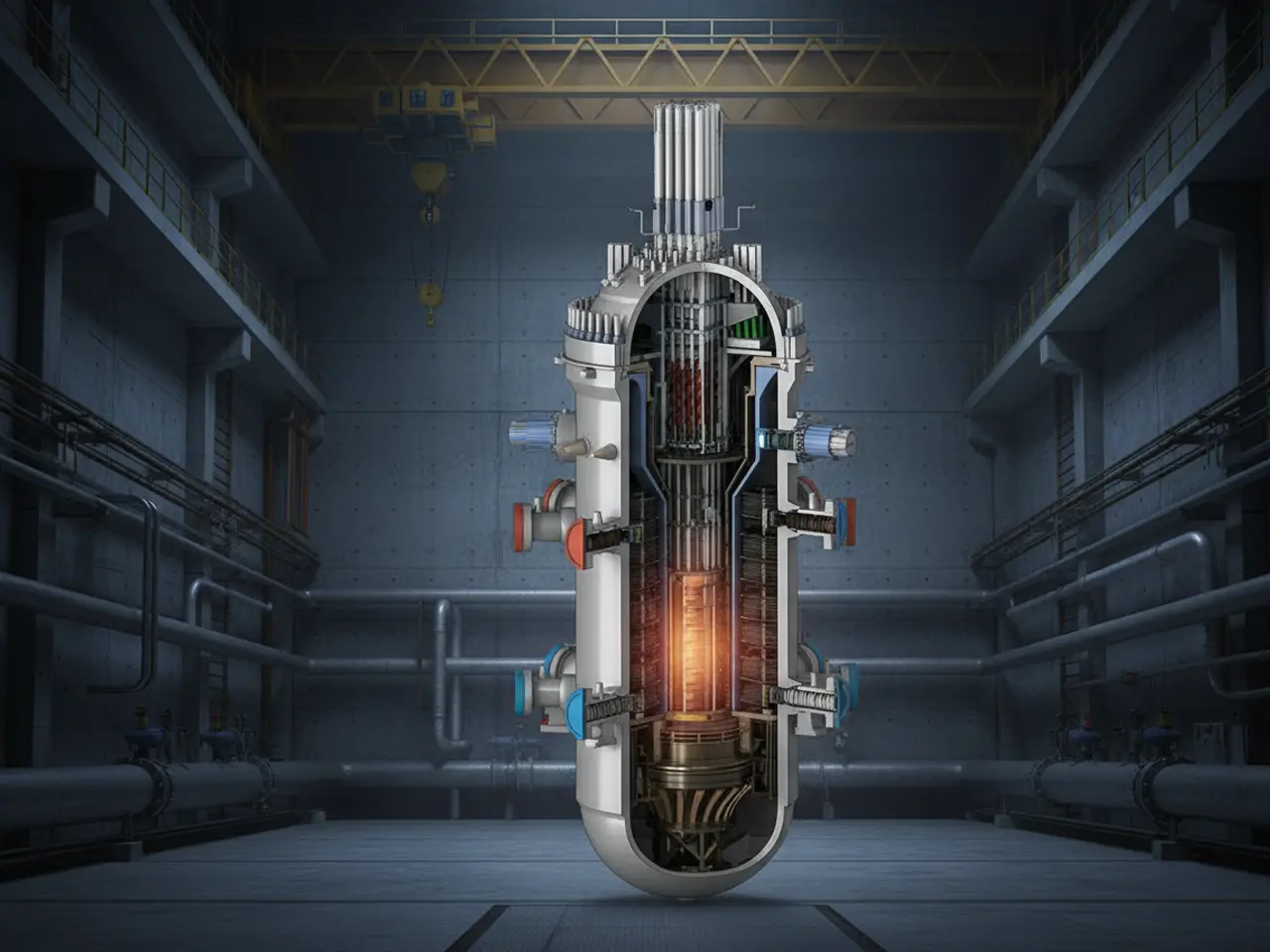
Reactor Core Support & Structural Components
In SMRs, ceramics contribute to reactor-core stability and safety through:
- Electrical insulation in control and safety systems
- Structural supports and spacers exposed to elevated temperatures
- Radiation-resistant insulating components
- High-purity ceramic parts that minimize contamination
- Radiation Shielding – small and lightweight neutron and gamma shielding solutions, as an alternative to traditional concrete shielding
- Burnable Absorber – for neutron flux management, often in combination with alumina to manage reactivity over the fuel cycle.
- Safety Shutdown – neutron absorbing rods for use in emergency shutdown situations
Ceramics maintain dimensional stability and performance under prolonged exposure to heat and radiation. Boron Carbide (B4C) and enriched B10 B4C are extremely effective neutron absorbers and used in SMR’s for controlling the neutron flux and effective fuel management. Boron Carbide offers a low density, transportable, and compact neutron absorber solution compared to concrete. Blended and composite materials are also available or can be developed to suit specific application requirements.
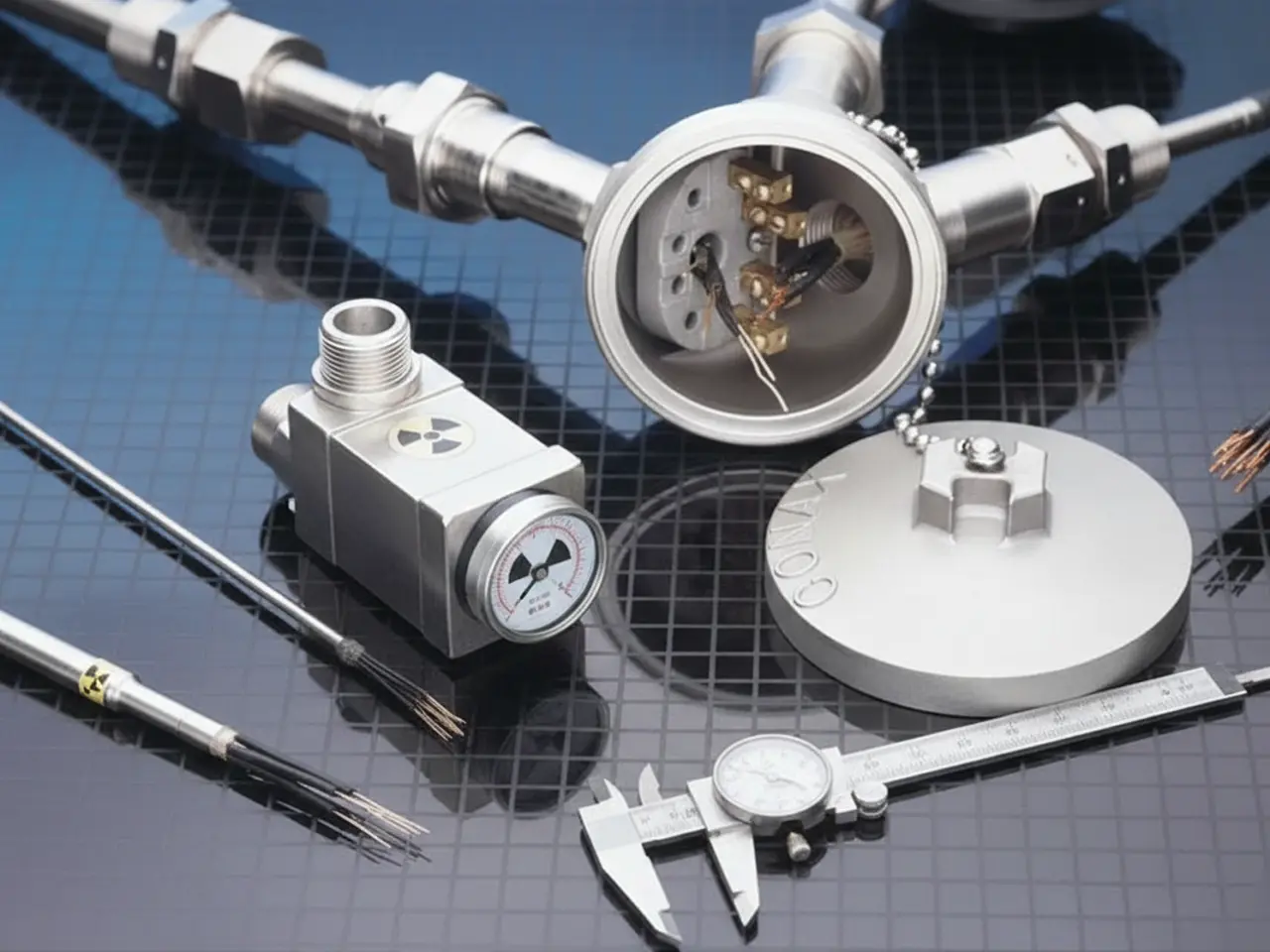
Instrumentation, Sensors & Monitoring Systems
Accurate monitoring is essential in nuclear reactors. Technical ceramics are widely used in:
- Temperature, pressure, neutron, and radiation sensors
- Electrical feedthroughs maintaining hermetic sealing
- Sensor housings exposed to radiation and high temperatures
- Signal isolation components for safety-critical electronics
- Diagnostic Port Components ceramics are used to shield instrumentation
Their electrical insulation and radiation tolerance ensure reliable data acquisition over long operating lifetimes.
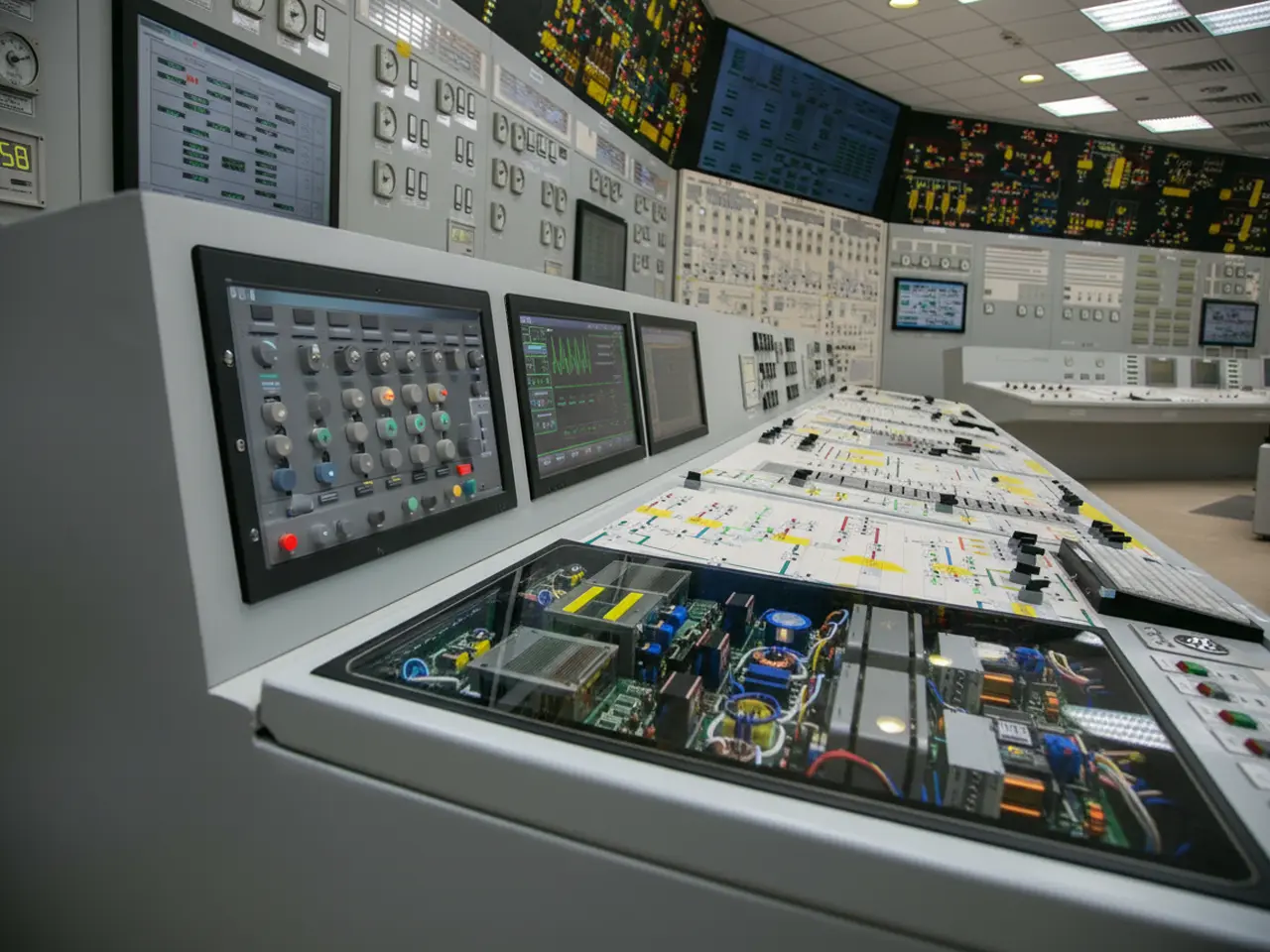
Power Electronics & Control Systems
SMRs rely on advanced electronics for reactor control, safety systems, and power management. Ceramics support these systems through:
- Thermally-conductive substrates (AlN) for power electronics
- High-voltage insulation components
- Heat spreaders and thermal interface components
- Electronics packaging capable of operating in harsh environments
Ceramics help protect sensitive electronics from thermal stress and electrical failure. Robust circuit boards are usually based on a hybrid ceramic substrate design.
High-Temperature & Heat Management Systems
Thermal control is critical in nuclear reactors. Ceramics are used in:
- High-temperature insulation
- Thermal barriers protecting adjacent systems
- Heat-transfer system components
- Reactor auxiliary heating and cooling assemblies
Their ability to withstand extreme temperatures and thermal cycling enhances system efficiency and safety.
Ceramic Materials Used in Nuclear Fission & SMRs
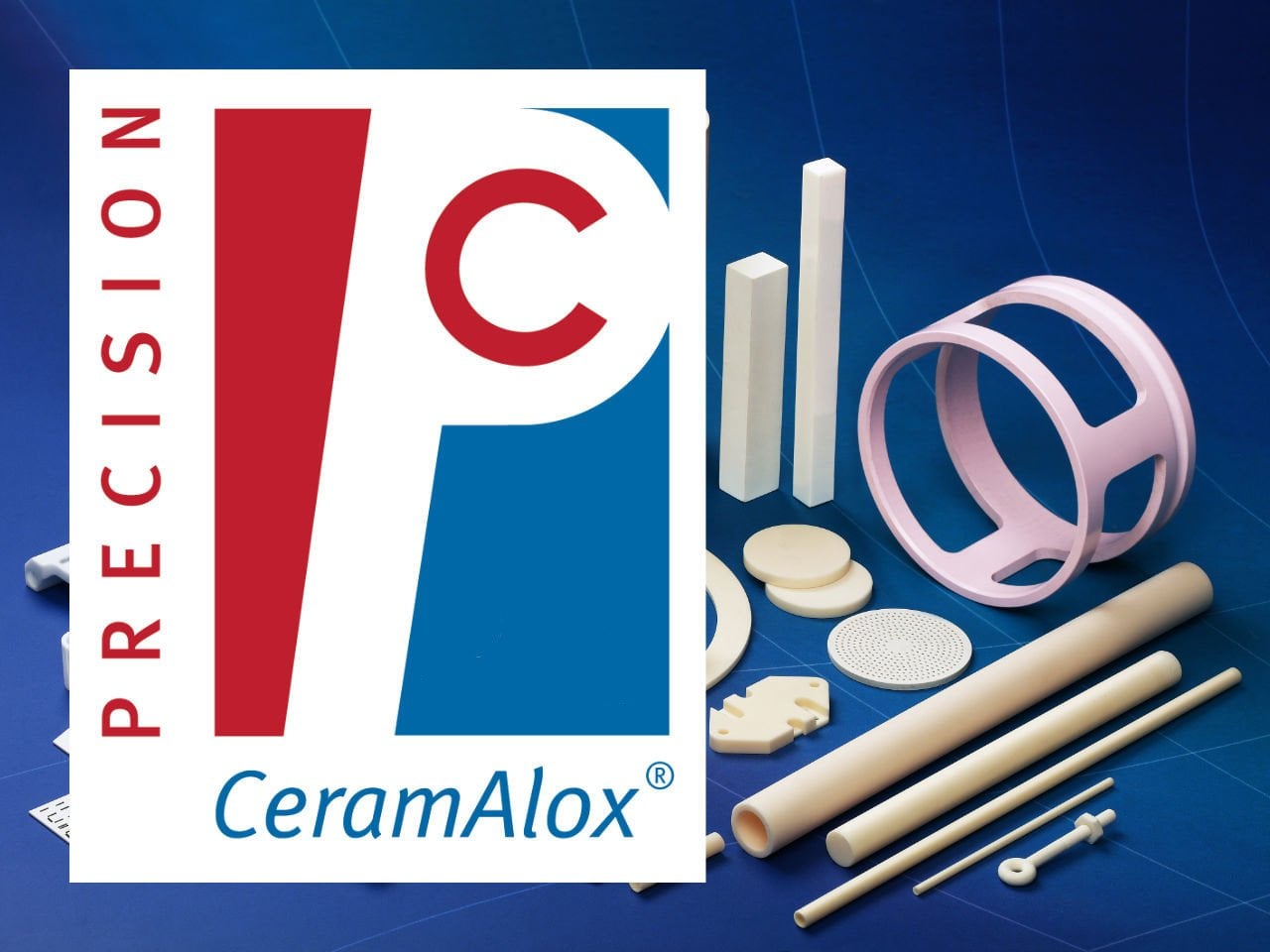
Alumina
CeramAlox™
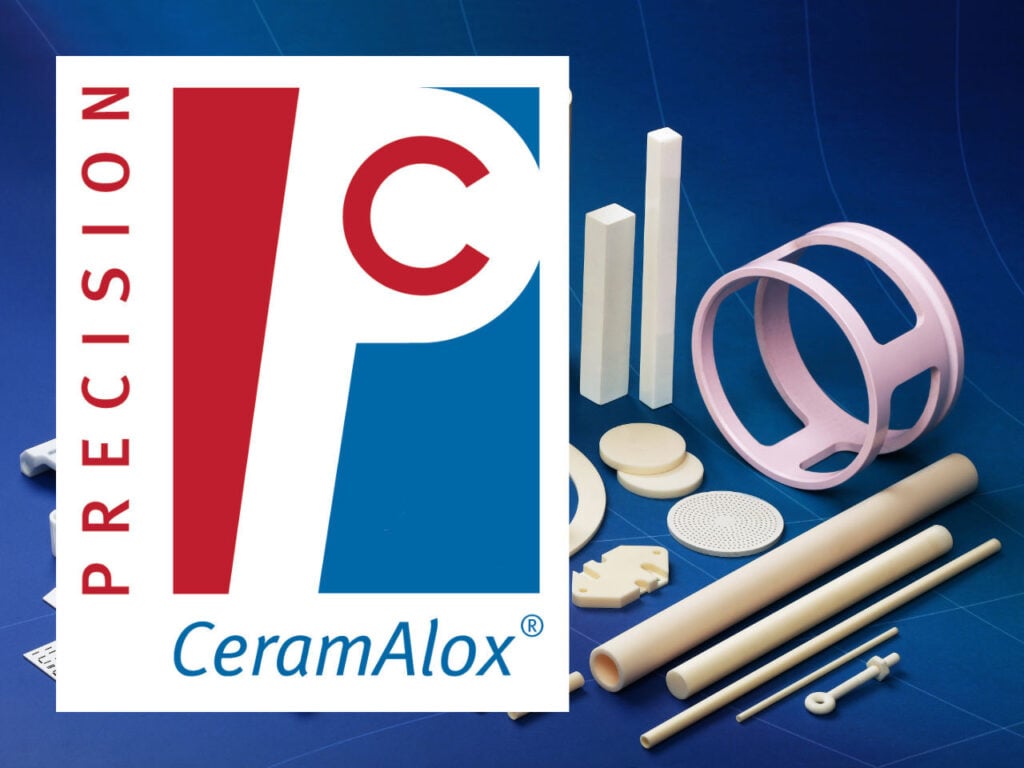
Alumina is a hard-wearing advanced technical ceramic material with strong electrical, mechanical, and thermal properties and suitable for a variety of applications. Alumina is also suitable for metallising and joining to provide hermetic seals which are often required in Ultra High Vacuum or sealed atmosphere applications.
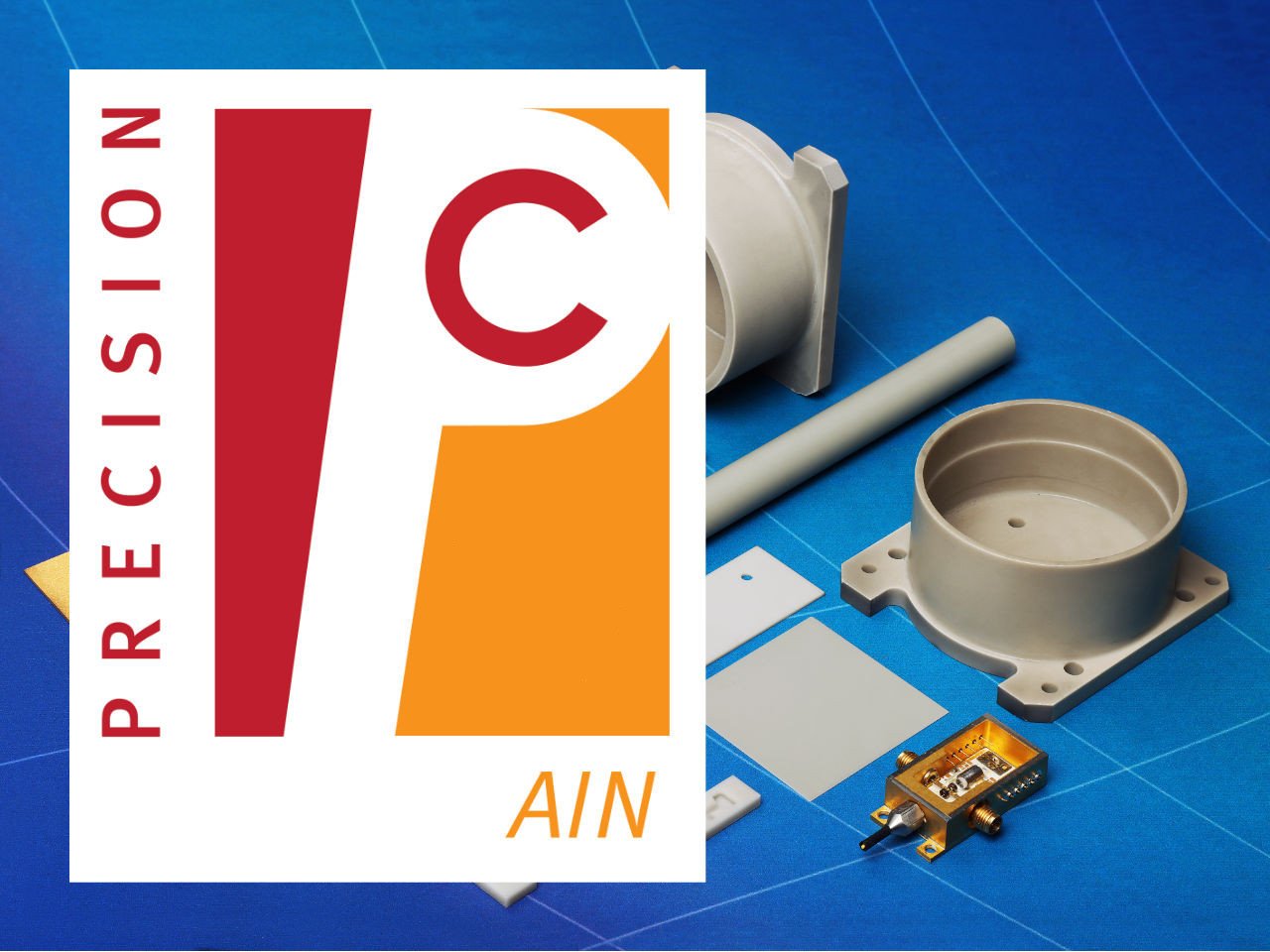
Aluminium Nitride
CeramAlum™
Aluminium Nitride (AlN) is an excellent material to use if high thermal conductivity and electrical insulation properties are required -- an ideal material for use in thermal management and electrical applications.
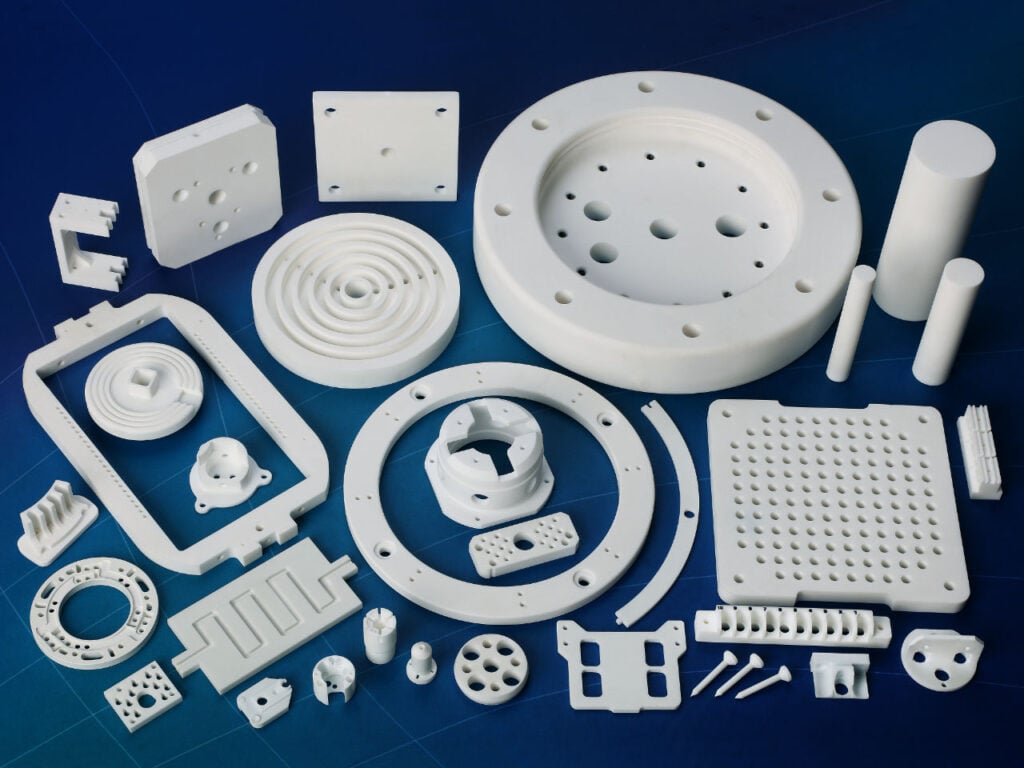
Macor®
Machinable Glass Ceramic
Macor is a hybrid glass-ceramic with the machinability of a metal, and the performance of an advanced technical ceramic. Macor is an excellent thermal and electrical insulator.
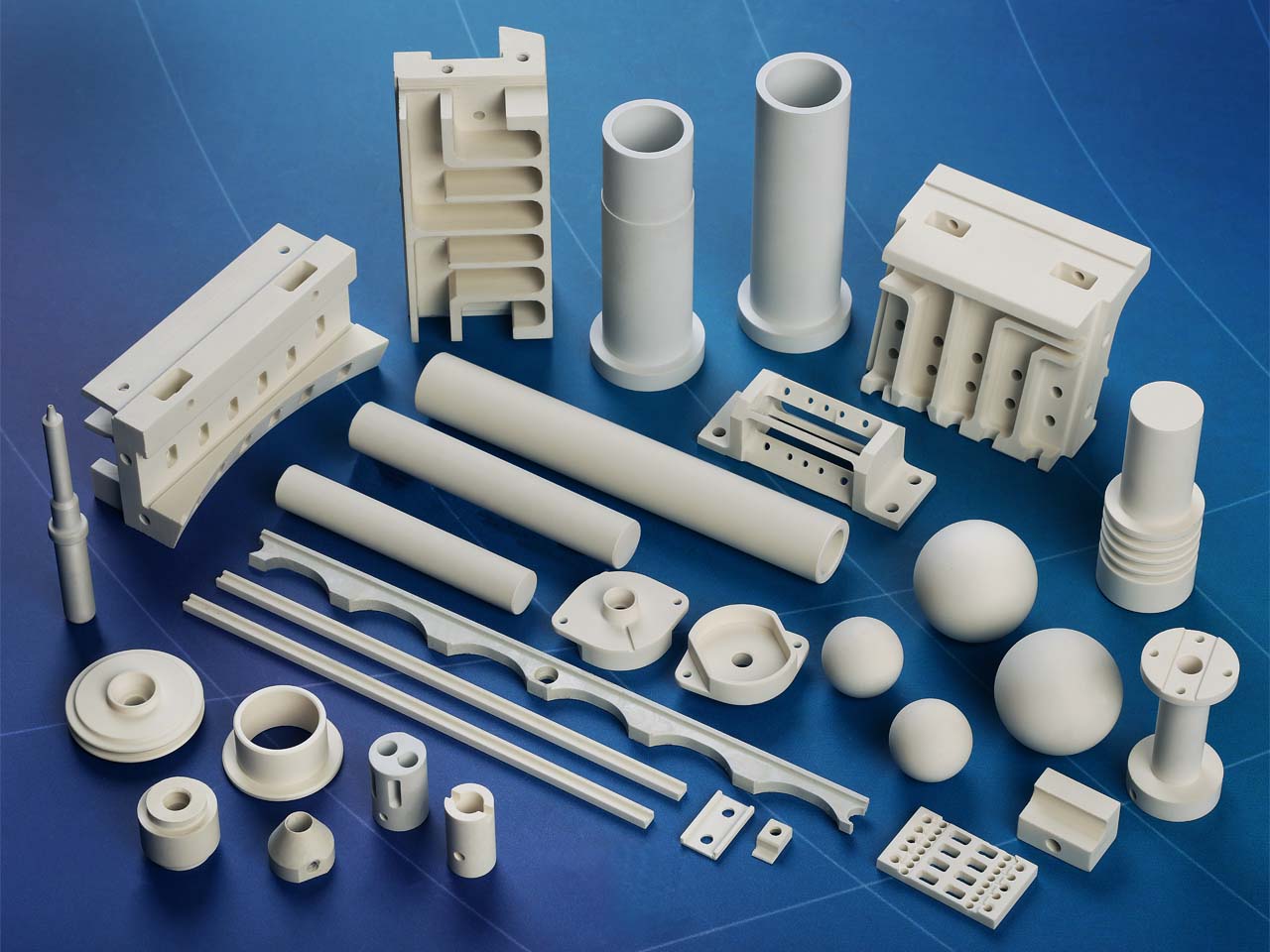
Shapal Hi M Soft™
Machinable AlN
Shapal Hi M Soft is a hybrid type of machinable Aluminium Nitride (AlN) ceramic that offers high mechanical strength, electrical insulation, and thermal conductivity.
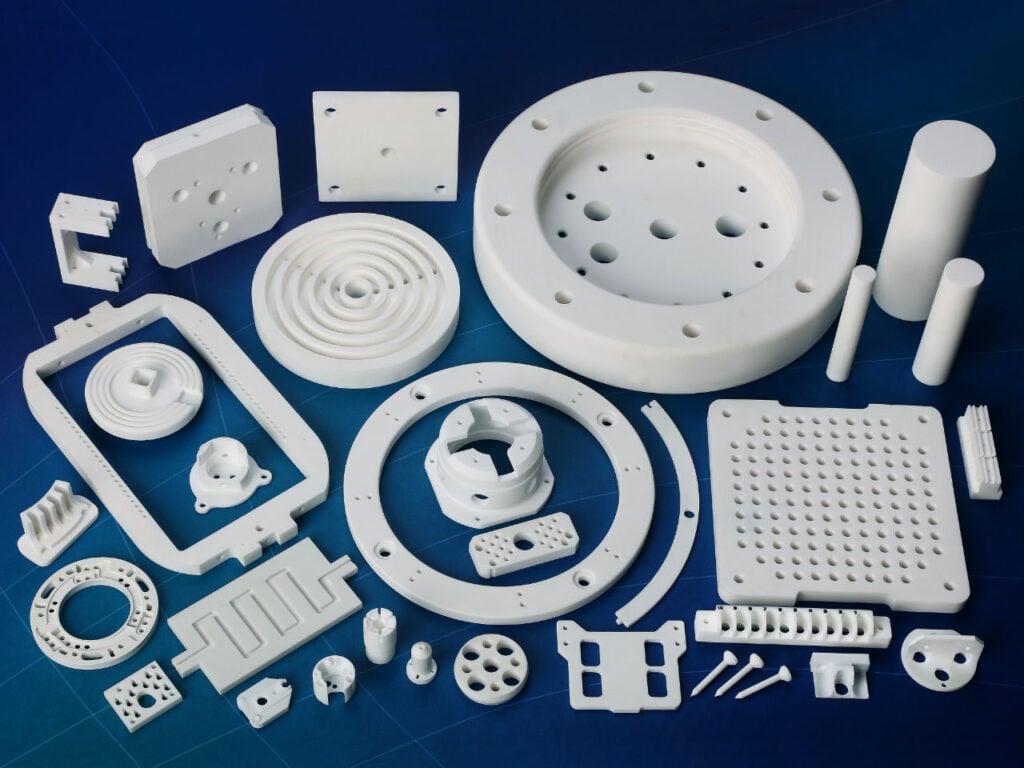
Boron Nitride
Boron Nitride Grades
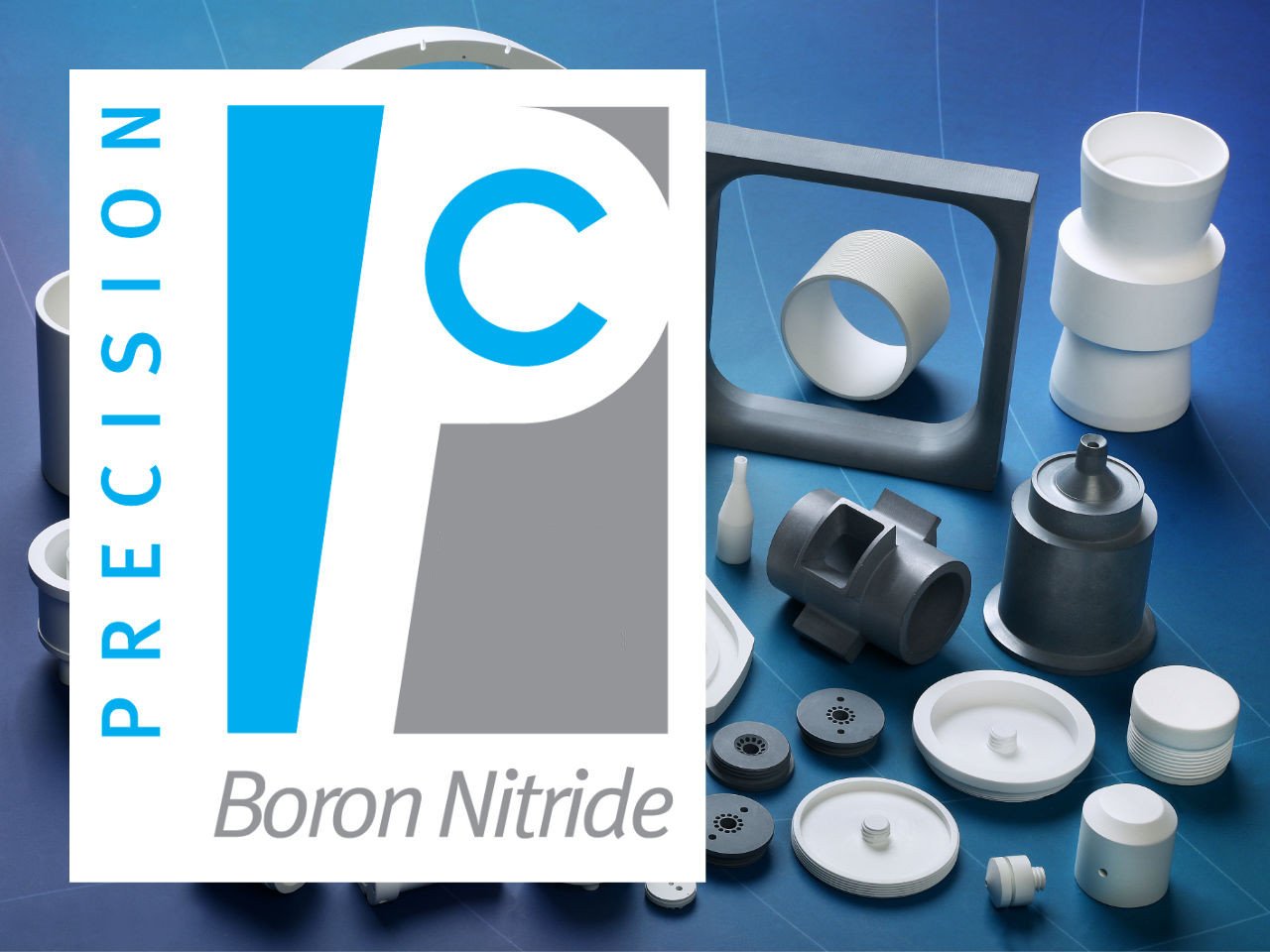
Boron Nitride (BN) is an advanced synthetic ceramic material available in solid and powder form. It has outstanding thermal conductivity, electrical insulation and thermal properties and is easy to machine.
Boron Carbide
B4C
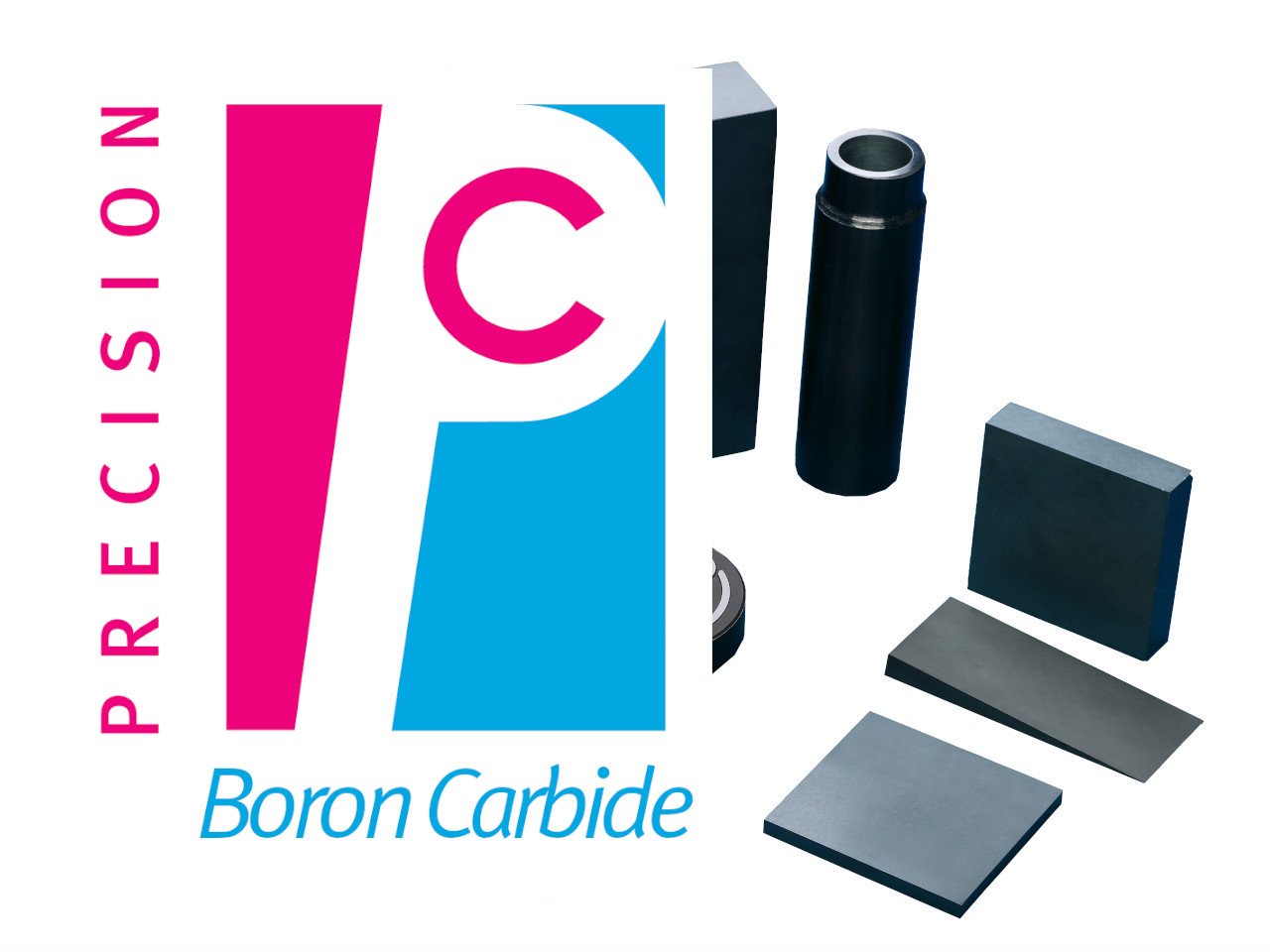
Boron Carbide (B4C), also known as black diamond, is the third hardest material after diamond and cubic boron nitride. It is a suitable material for many high performance applications due to its attractive combination of properties.
Datasheets
Alumina
All Grades CeramAlox
Aluminium Nitride
PCAN1000
Macor
Machinable Glass Ceramic
Shapal Hi M Soft™
Machinable Aluminium Nitride
Boron Nitride
Grade AX05
Frequently Asked Questions
-
Why are ceramics used in nuclear fission and SMR systems?
Ceramics are used because they offer exceptional resistance to high temperature, radiation, electrical stress, and chemical attack. These properties make them ideal for safety-critical nuclear applications where reliability and long service life are essential.
-
Are ceramics suitable for radiation environments?
Yes. Many advanced ceramics, demonstrate excellent resistance to radiation-induced degradation. They maintain electrical, mechanical, and dimensional stability under prolonged radiation exposure.
-
Where are ceramics used in Small Modular Reactors (SMRs)?
Ceramics are used in reactor-core support systems, instrumentation and sensors, electrical insulation, power electronics, thermal management components, and nuclear research and testing equipment.
-
What ceramic properties are most important for nuclear applications?
Key properties include:
- Radiation resistance
- High-temperature stability
- Electrical insulation
- Thermal conductivity (for electronics)
- Chemical inertness
- Dimensional stability over long operating lifetimes
- High material purity
- Mechanical Strength
Explore Materials & Properties
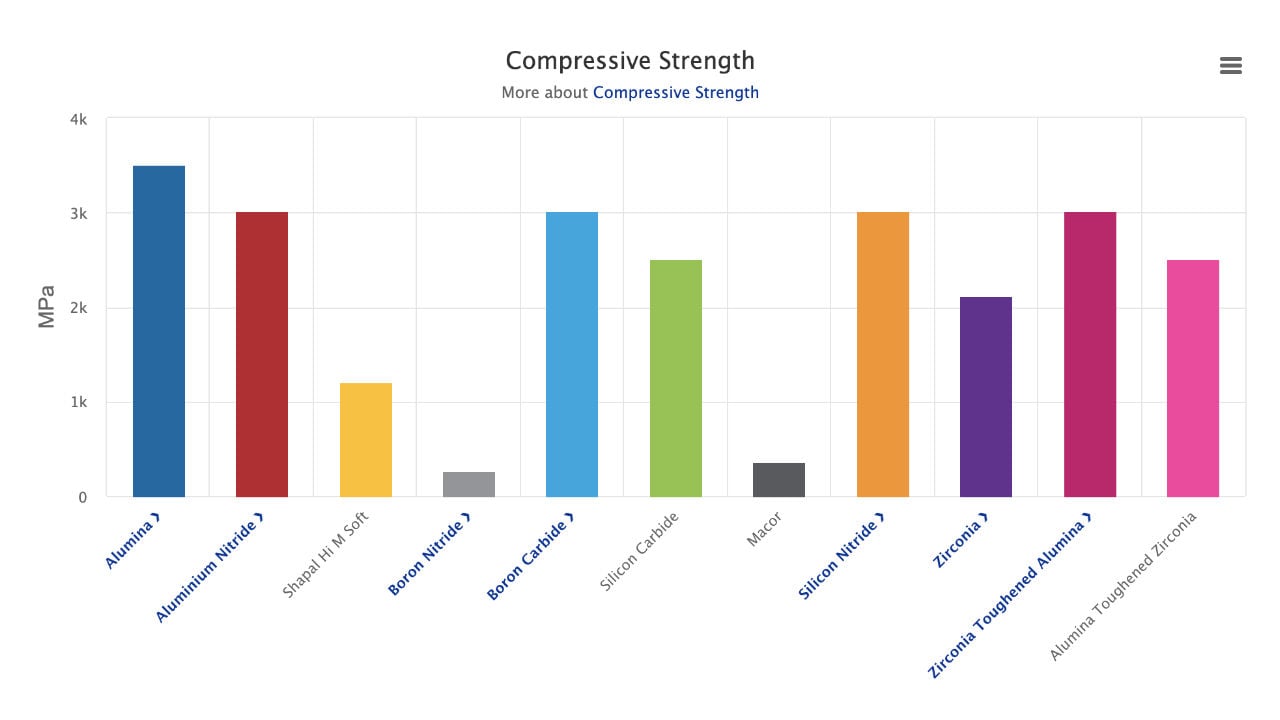
Ceramic Materials Comparison Chart

Ceramic Material Properties Table
Access comprehensive data for all our advanced ceramics in one place. Our material properties table provides detailed technical specifications — helping engineers and designers make informed material selections for high-performance applications.
Related Topics
Nuclear Fusion
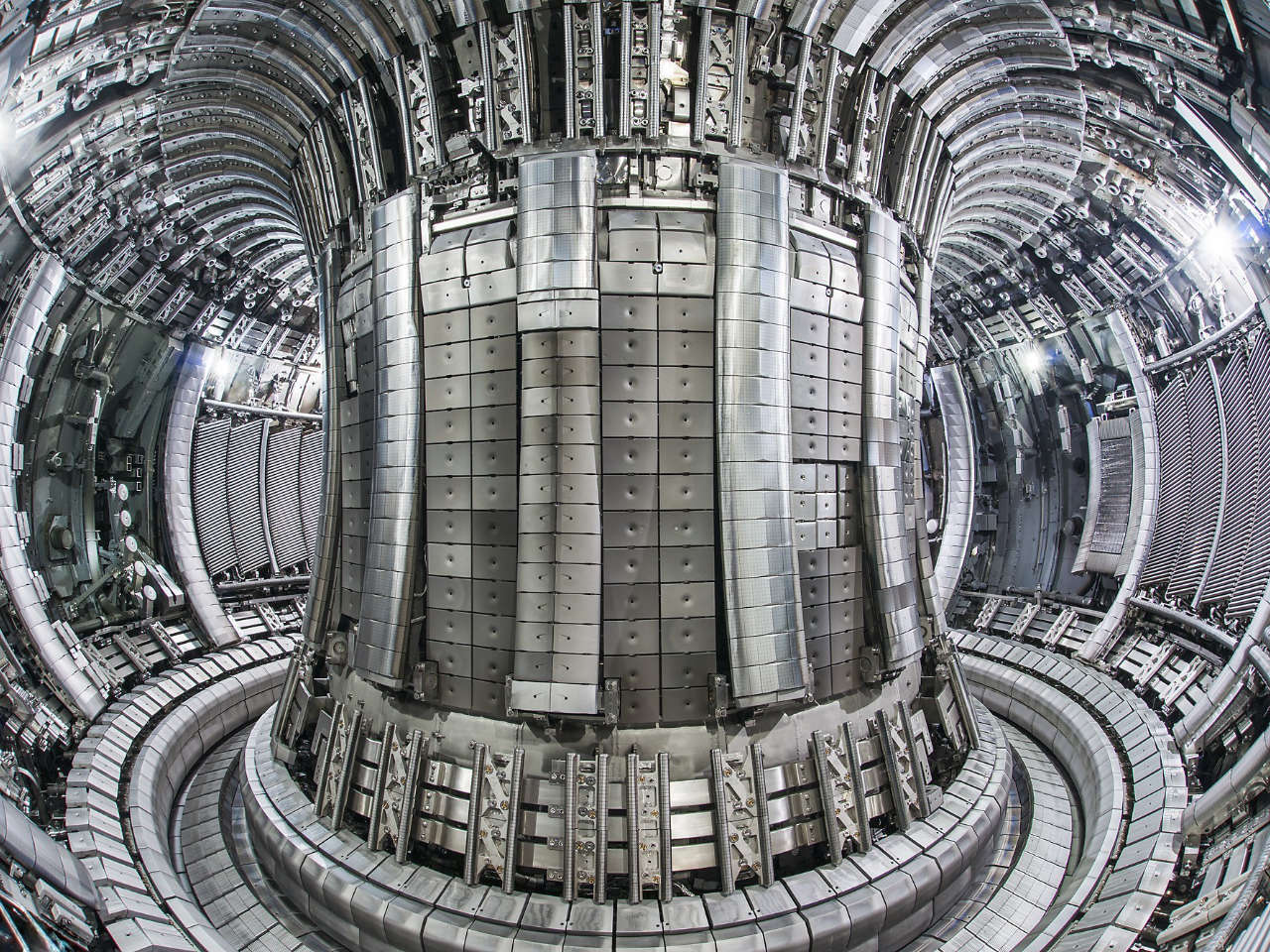
Precision Ceramics has decades of experience supplying ceramics for fusion research and reactor development. Our materials are used for plasma-facing components, diagnostic feedthroughs, insulators, and thermal barriers in some of the most extreme environments ever engineered.
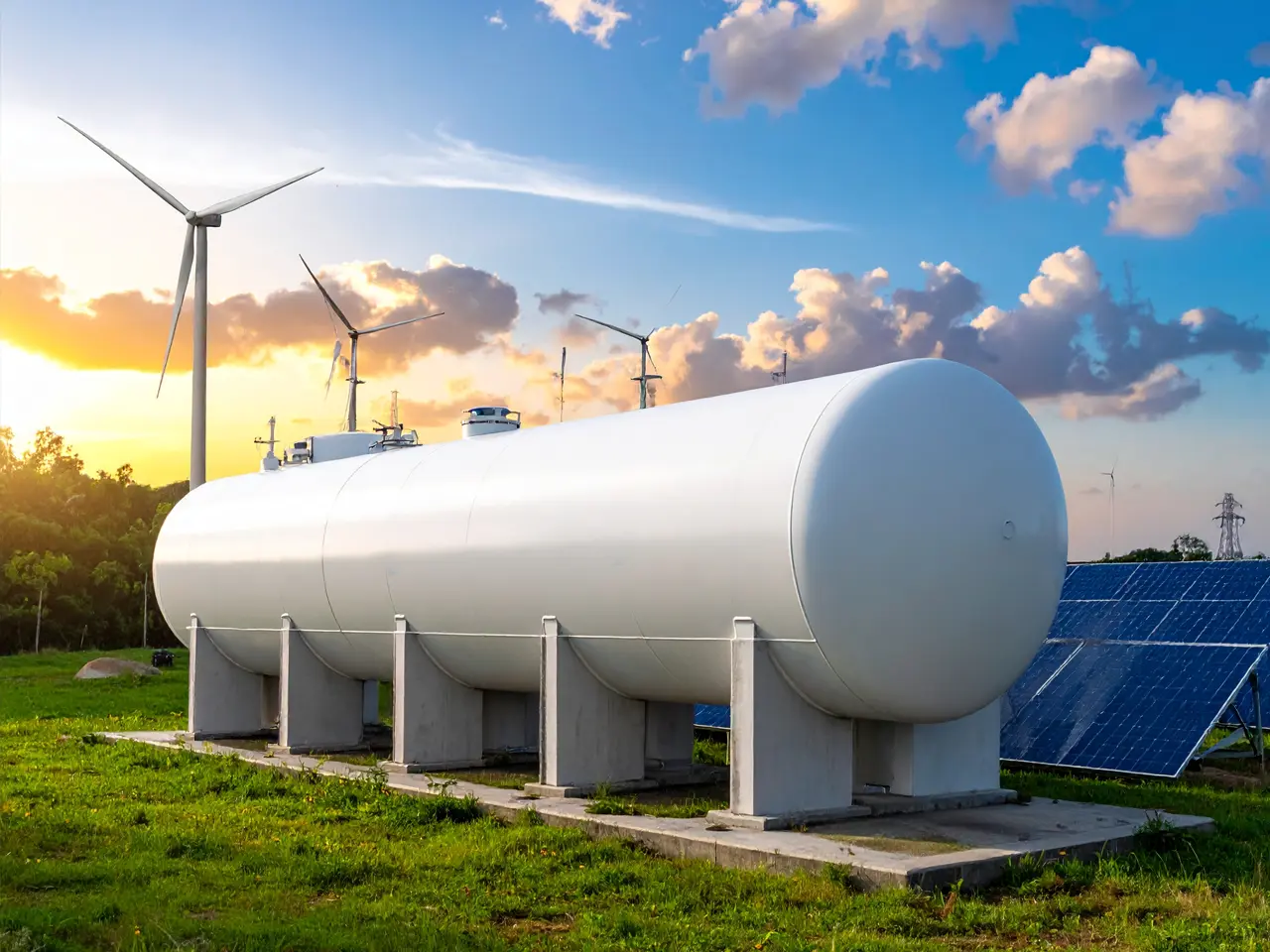
Hydrogen Energy
Ceramics are critical to hydrogen production, storage, and fuel cell technologies, where they ensure reliability in high-temperature and corrosive environments. Their electrical insulation and chemical stability make technical ceramics ideal for both proton exchange membrane (PEM) and solid oxide fuel cells (SOFCs), as well as hydrogen generation systems.
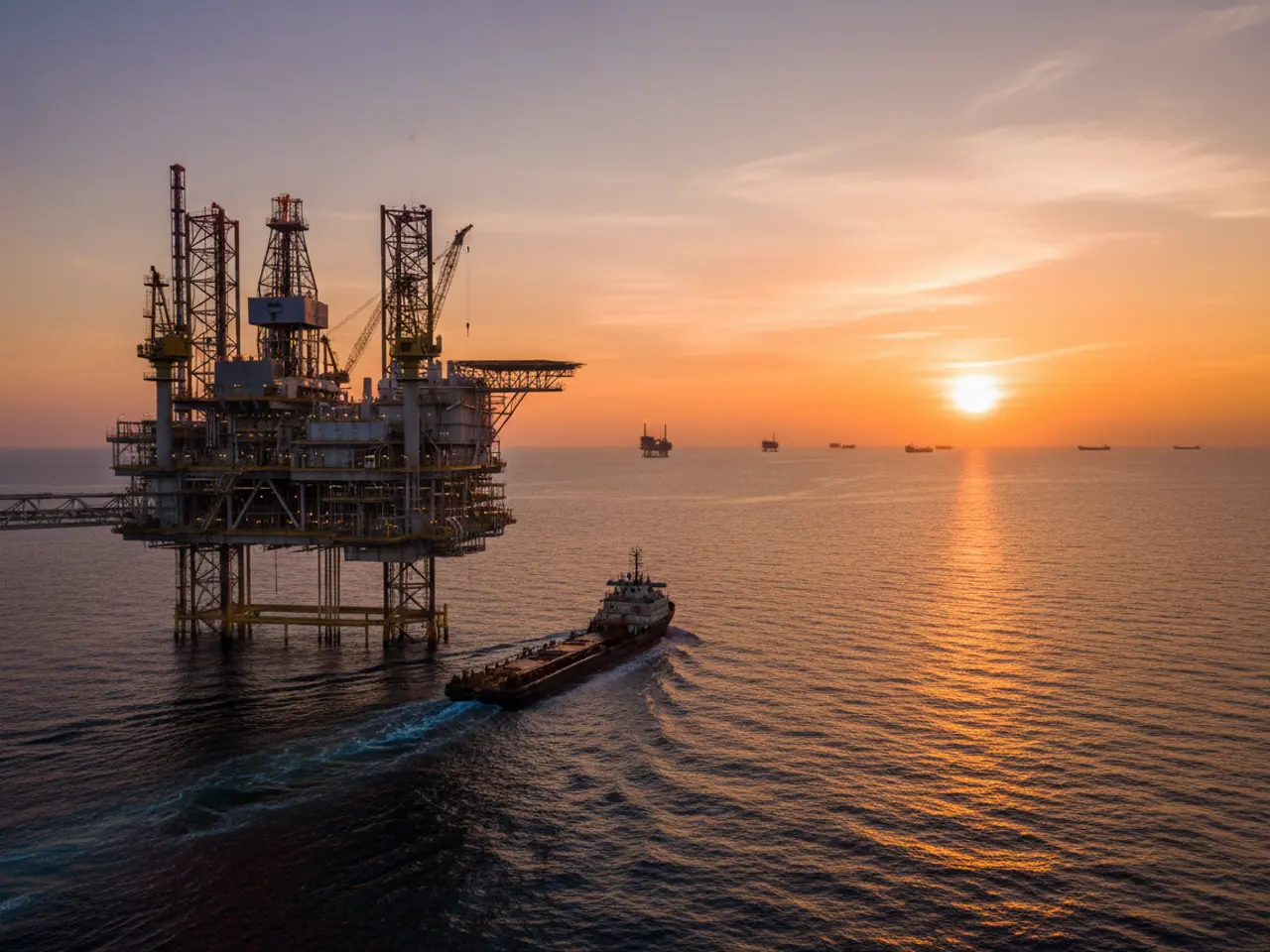
Oil and Gas
Even as the energy landscape transitions, oil and gas remain vital to global infrastructure. Ceramics play a crucial role in exploration, drilling, and refining, where components face extreme wear, pressure, and temperature. Our materials offer superior erosion resistance, electrical insulation, and dimensional stability, ensuring reliability in downhole tools, sensors, and high-performance valves.
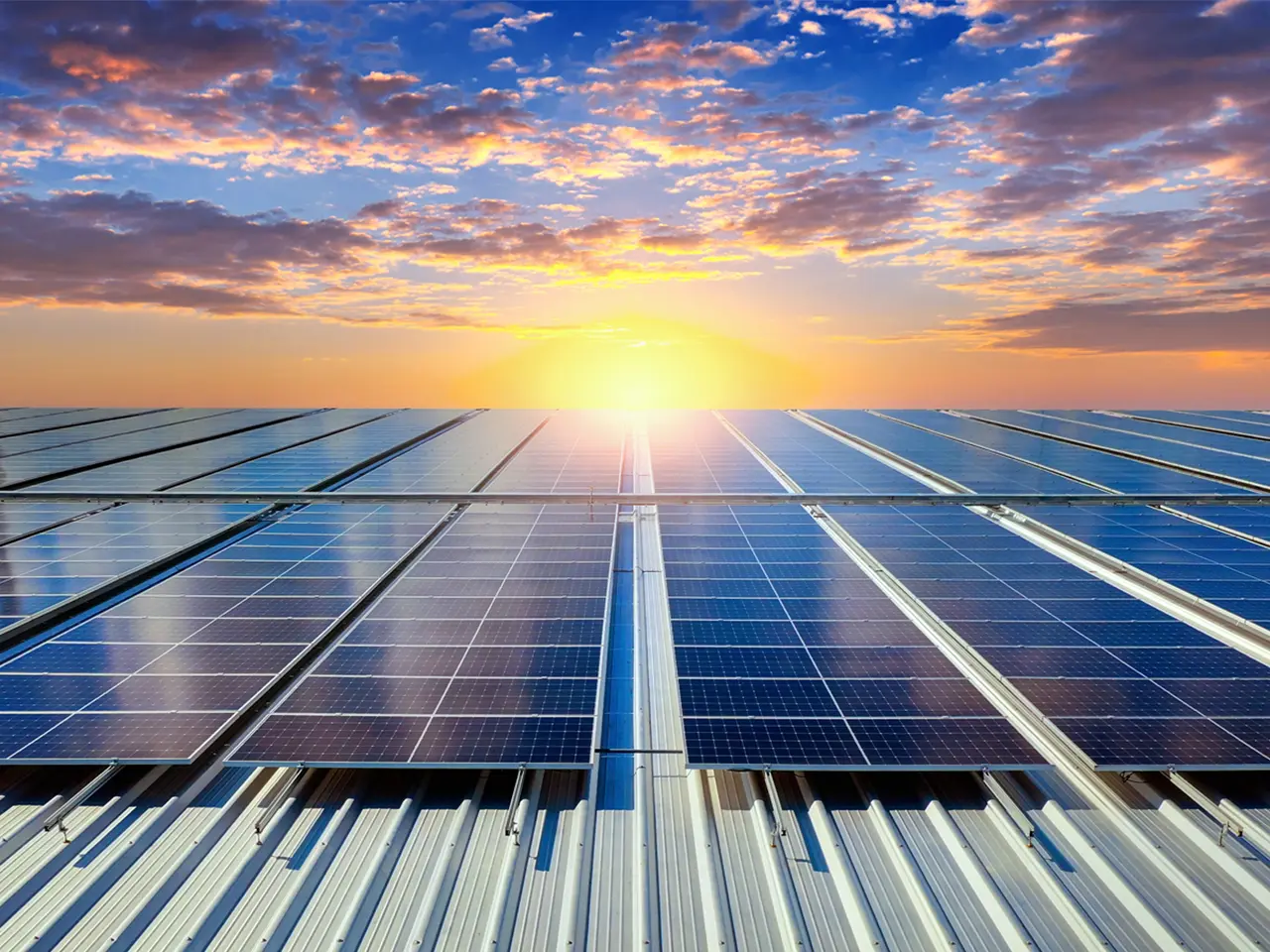
Solar Energy
From photovoltaic cell production to concentrated solar power systems, ceramics are key to achieving efficiency and durability. Precision Ceramics provides materials with high thermal conductivity, electrical insulation, and corrosion resistance for wafer processing, thermal management systems, and reflective components.