
What is Dielectric Strength?
Dielectric strength, also known as breakdown voltage, refers to the maximum electric field a material can endure without electrical breakdown. Measured in kilovolts per millimeter (kV/mm), it is a critical property for insulators used in high-voltage environments. Advanced ceramics excel in this area, offering a combination of high dielectric strength, chemical resistance, and thermal stability.

Why is Dielectric Strength Important?
Ceramic materials with high dielectric strength are essential in modern industries, ensuring that electrical components operate safely, and efficiently. From power electronics to RF devices, and aerospace systems, selecting the right material prevents premature failure and improves system performance.
What Factors Influence Dielectric Strength in Ceramics?

Material Purity and Composition

Operating Temperature
Surface Finish and Thickness

Moisture Absorption and Humidity Levels

Presence of Pores or Microcracks
Applications of High Dielectric Strength Ceramics
- High-Voltage Electrical Insulators
- Substrates for Integrated Circuits and Semiconductors
- Components in RF/Microwave, X-Ray Systems
- Medical Devices and Imaging Equipment
- Aerospace and Defense Electronics
Top Ceramic Materials Ranked by Dielectric Strength
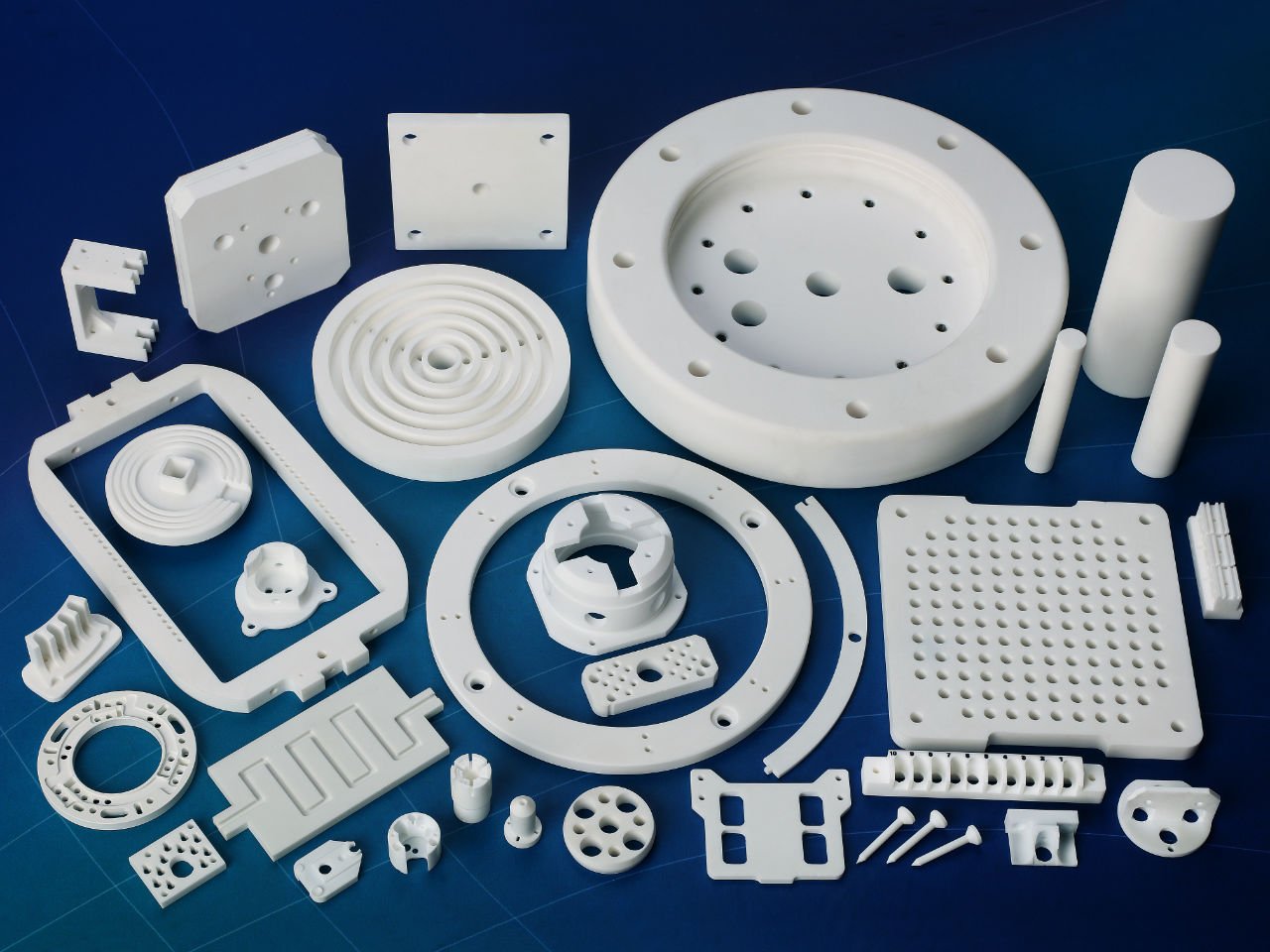
Macor® Glass Ceramic
- Dielectric Strength: 129 kV/mm
- Key Features: Easily machinable, UHV-compatible, low thermal conductivity.
- Applications: High-voltage spacers, vacuum feedthroughs, scientific instruments.
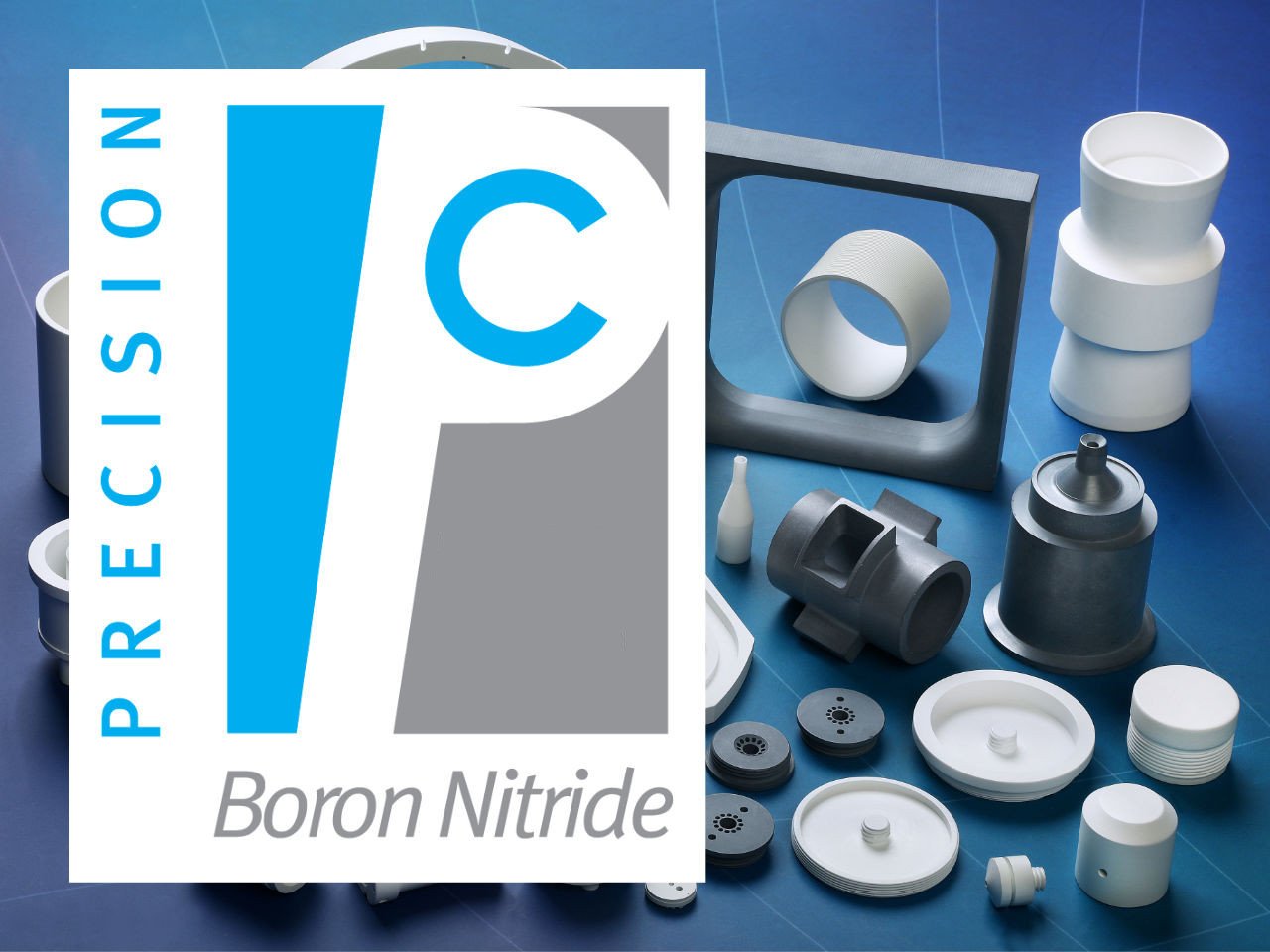
Boron Nitride (BN)
- Dielectric Strength: Up to 100 kV/mm
- Key Features: Excellent thermal stability, non-wettable by molten metals, high insulation resistance, mechanically softer.
- Applications: Crucibles, insulators in high-temperature vacuum systems, space thrusters.
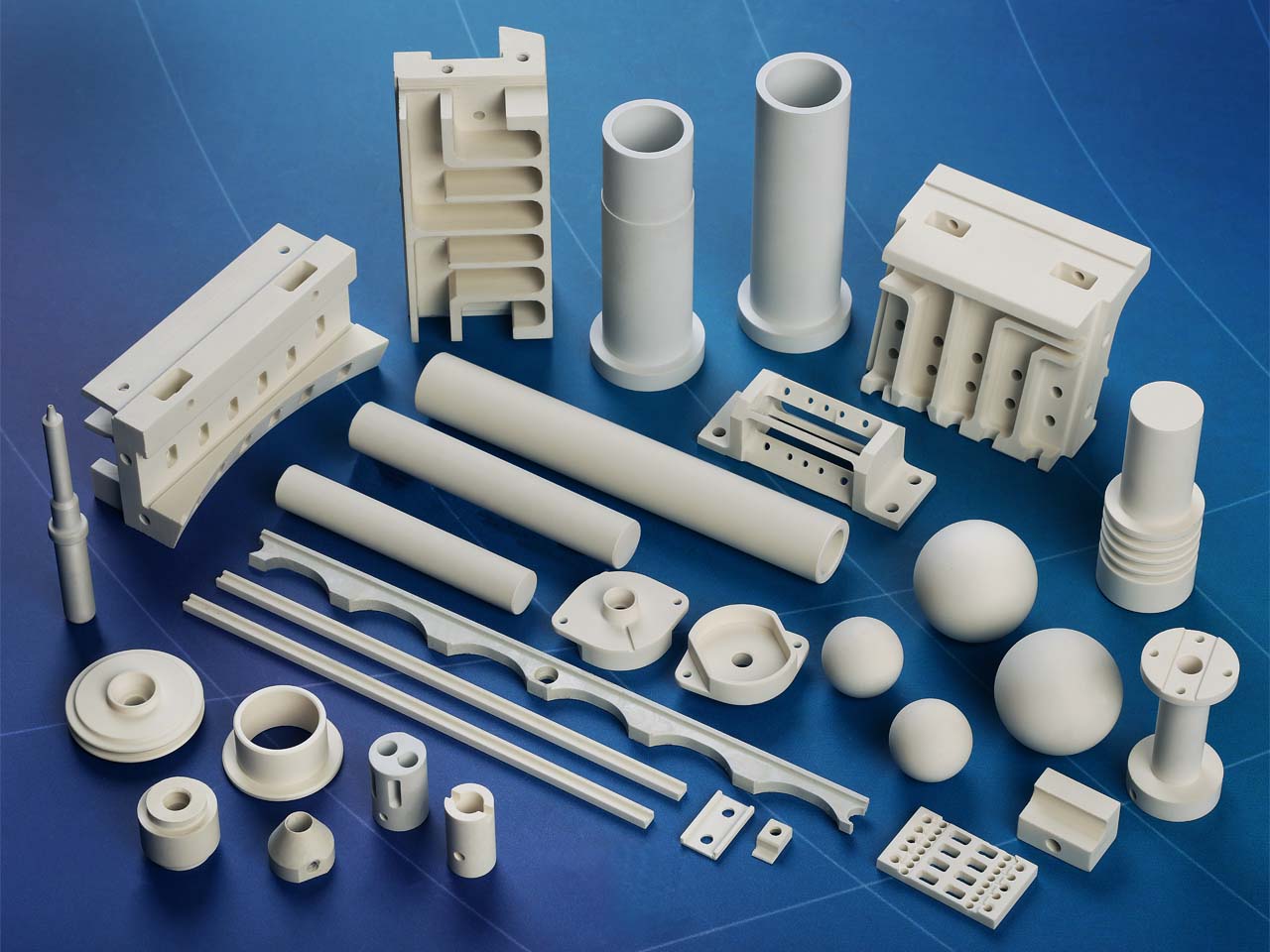
Shapal Hi M Soft™
- Dielectric Strength: 65 kV/mm
- Key Features: High dielectric performance, good machinability, high thermal conductivity, and mechanical stability.
- Applications: Power electronics, custom-machined electrical insulators.

Alumina (Al₂O₃) - CeramAlox™ Ultra Pure
- Dielectric Strength: Up to 16 kV/mm
- Key Features: High electrical resistivity, thermal, chemical, mechanical stability, cost-effective.
- Applications: Insulators, electronic substrates, sensor components.
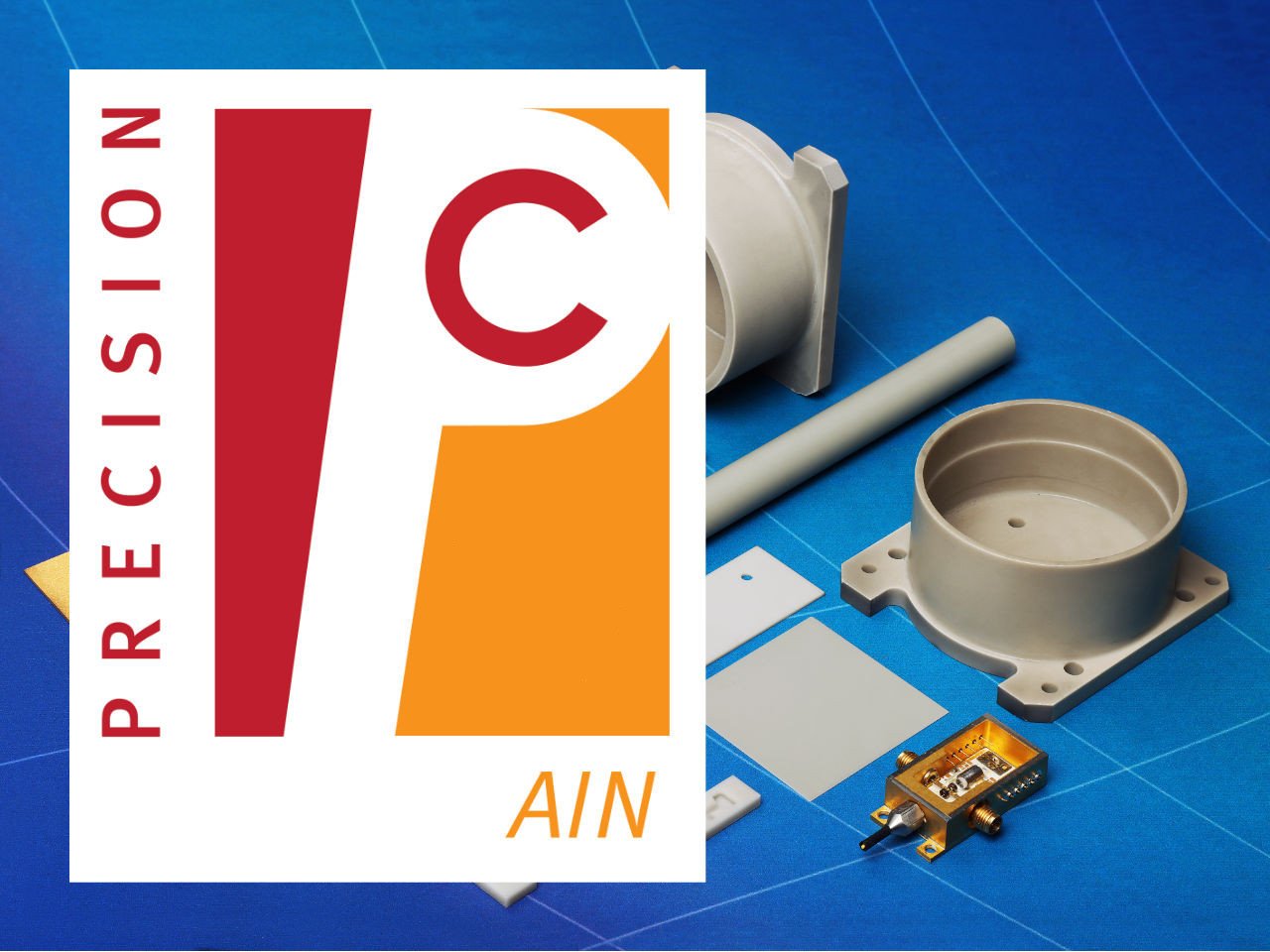
Aluminium Nitride (AlN) – CeramAlum™
- Dielectric Strength: 15 kV/mm
- Key Features: Combines electrical insulation with high thermal conductivity.
- Applications: LED packages, high-power circuits, microwave components.
Get Expert Advice on Choosing the Right Ceramic Material
Choosing the right ceramic material with high dielectric strength is essential for ensuring electrical reliability, insulation safety, and system longevity. Materials like Boron Nitride, Shapal Hi M Soft, and Macor® deliver exceptional performance across a broad range of industries and conditions.
Looking for the best ceramic material for your application? Contact our team for expert recommendations tailored to your needs.
Dielectric Strength Material Comparison
FAQs on Dielectric Strength in Ceramics
-
Why is dielectric strength critical in ceramics?
It ensures the component can handle strong electric fields without breaking down, while the ceramic materials offer mechanical, chemical and thermal advantages which are vital for electrical insulation and operational safety.
-
What affects dielectric performance in a ceramic component?
Moisture, impurities, operating temperature and surface flaws can significantly lower dielectric strength. Consistent material quality, appropriate material selection and protective coatings help mitigate this.
-
Can dielectric strength be improved?
Yes, by enhancing the material’s purity, reducing porosity, and optimizing manufacturing techniques. End users may employ AC conditioning to raise the breakdown strength.
-
Which industries benefit most from ceramics with high dielectric strength?
Electronics, aerospace, telecommunications, X-Ray Sources, and medical imaging rely on ceramic materials to withstand extreme voltages.
-
What is the difference between Dielectric Strength and Breakdown Voltage?
Dielectric strength refers to the maximum electric field (measured in kilovolts per millimeter, kV/mm) that a material can withstand without electrical failure. In contrast, breakdown voltage is the specific voltage value at which a material fails or conducts electricity across a given thickness. Simply put, dielectric strength is an intrinsic material property, while breakdown voltage is a measured performance value that depends on the material’s thickness and test conditions.
Related Properties

Volume Resistivity
Volume resistivity is used to measure how strongly a material can oppose or resist the flow of electric current. Materials are categorized as having either high or low volume resistivity.
Dielectric Constant
The dielectric constant, also known as relative permittivity, is a measure of a material’s ability to store electrical energy in an electric field. Expressed as a dimensionless number, it compares the material’s permittivity to the permittivity of free space.

Maximum Temperature
Advanced ceramics are well known for their heat withstanding properties in which they only start to melt at temperatures around 2000℃. In comparison to more common ceramic materials such as tile or brick, they start to melt at temperatures around 650℃.