
Ceramic Materials Overview
Technical ceramic materials have the ability to make products lighter, more efficient, longer lasting, reduce maintenance intervals, and reduce operating costs. They are frequently being used to replace metals, polymers, and refractory materials in a wide variety of applications due to their notable high temperature capability, hardness, and electrical properties.
Precision Ceramics offers a wide range of advanced technical ceramic materials to ensure that we have the right material for your application.
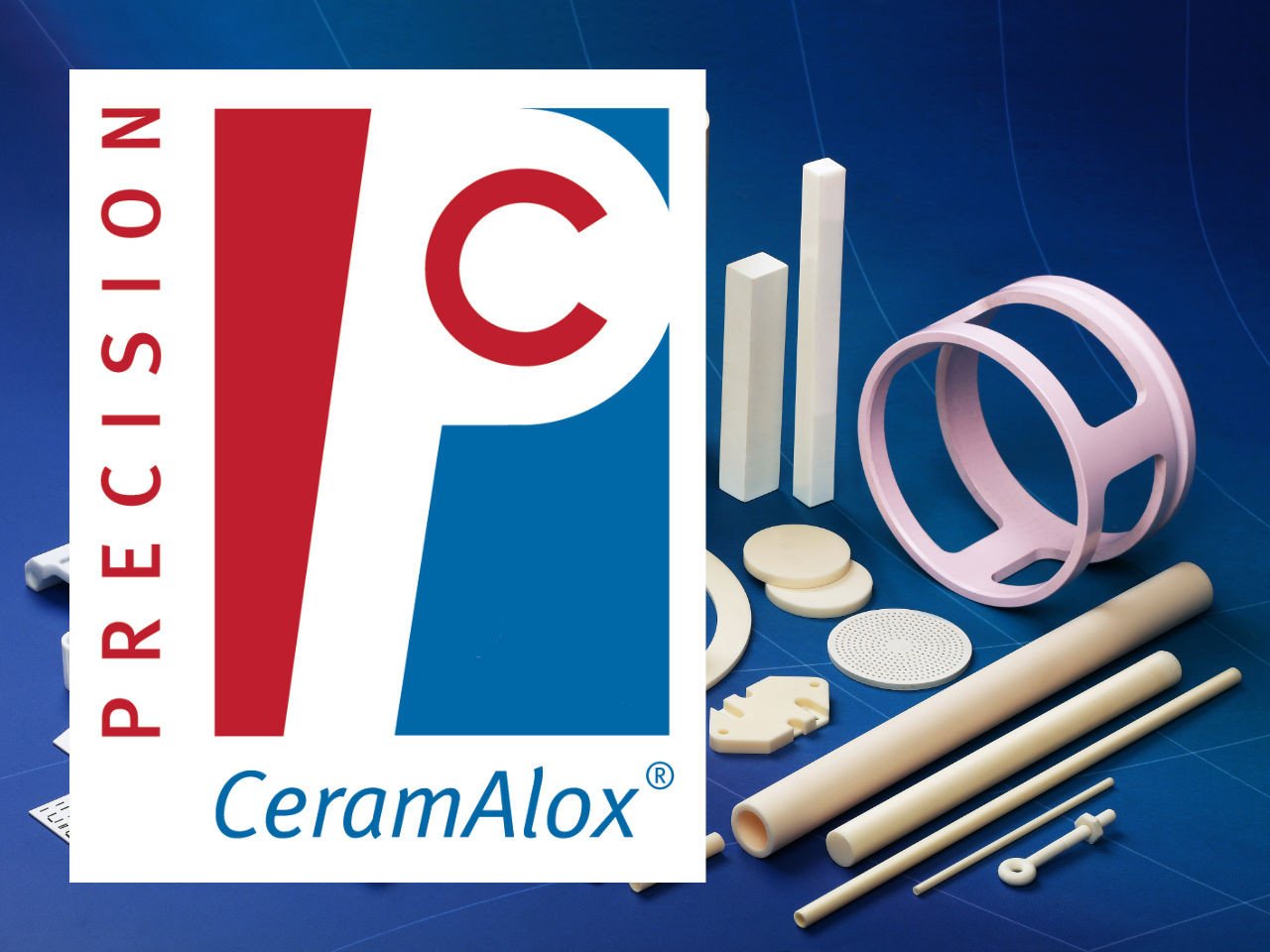
Alumina (Aluminium Oxide)
CeramAlox™
Alumina, also known as Aluminium Oxide, is a hard wearing advanced technical ceramic material frequently used in a wide variety of industrial applications.
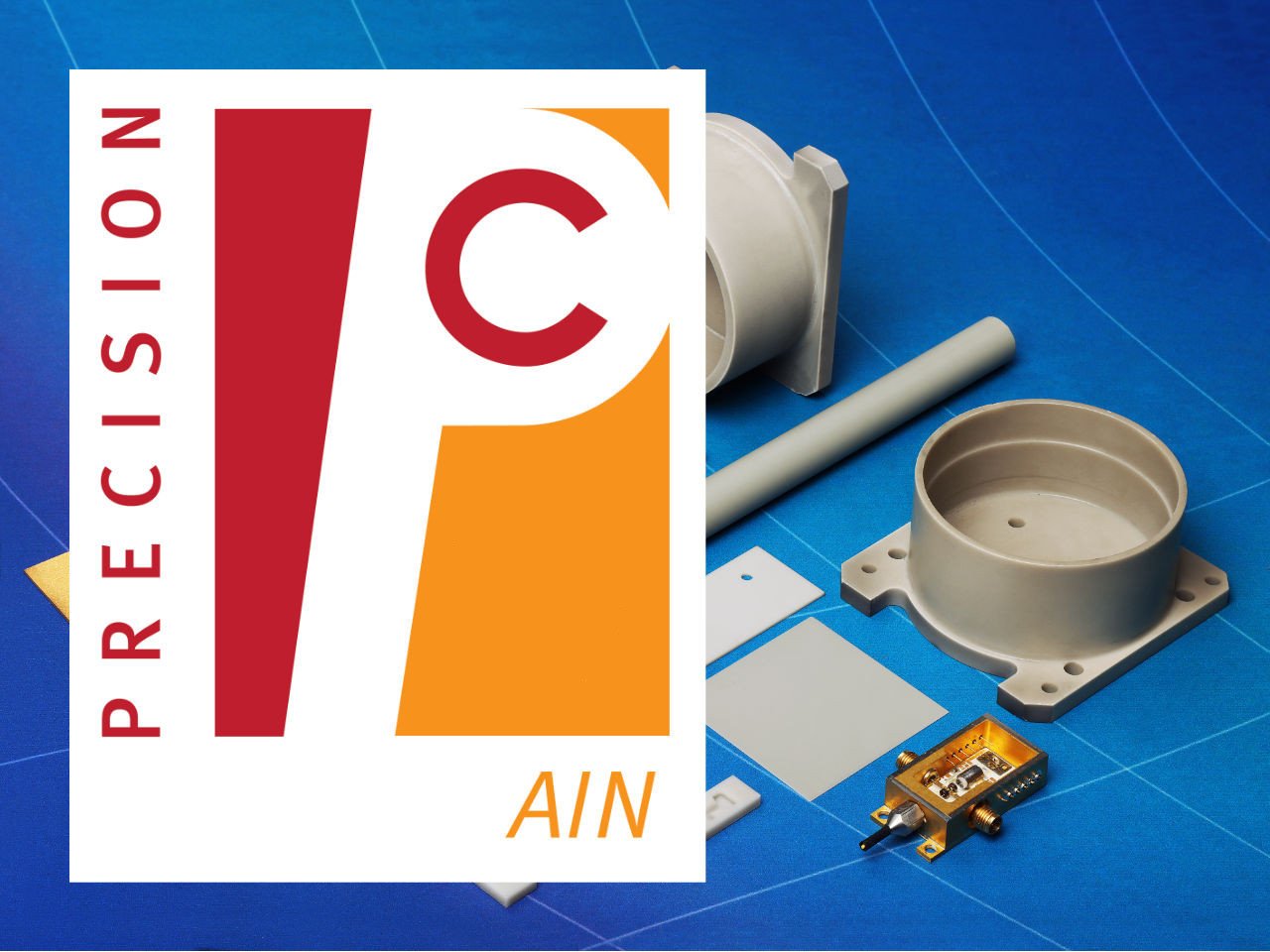
Aluminum Nitride
CeramAlum™
Aluminum Nitride (AlN) is an excellent material to use if high thermal conductivity and electrical insulation properties are required -- an ideal material for use in thermal management and electrical applications.
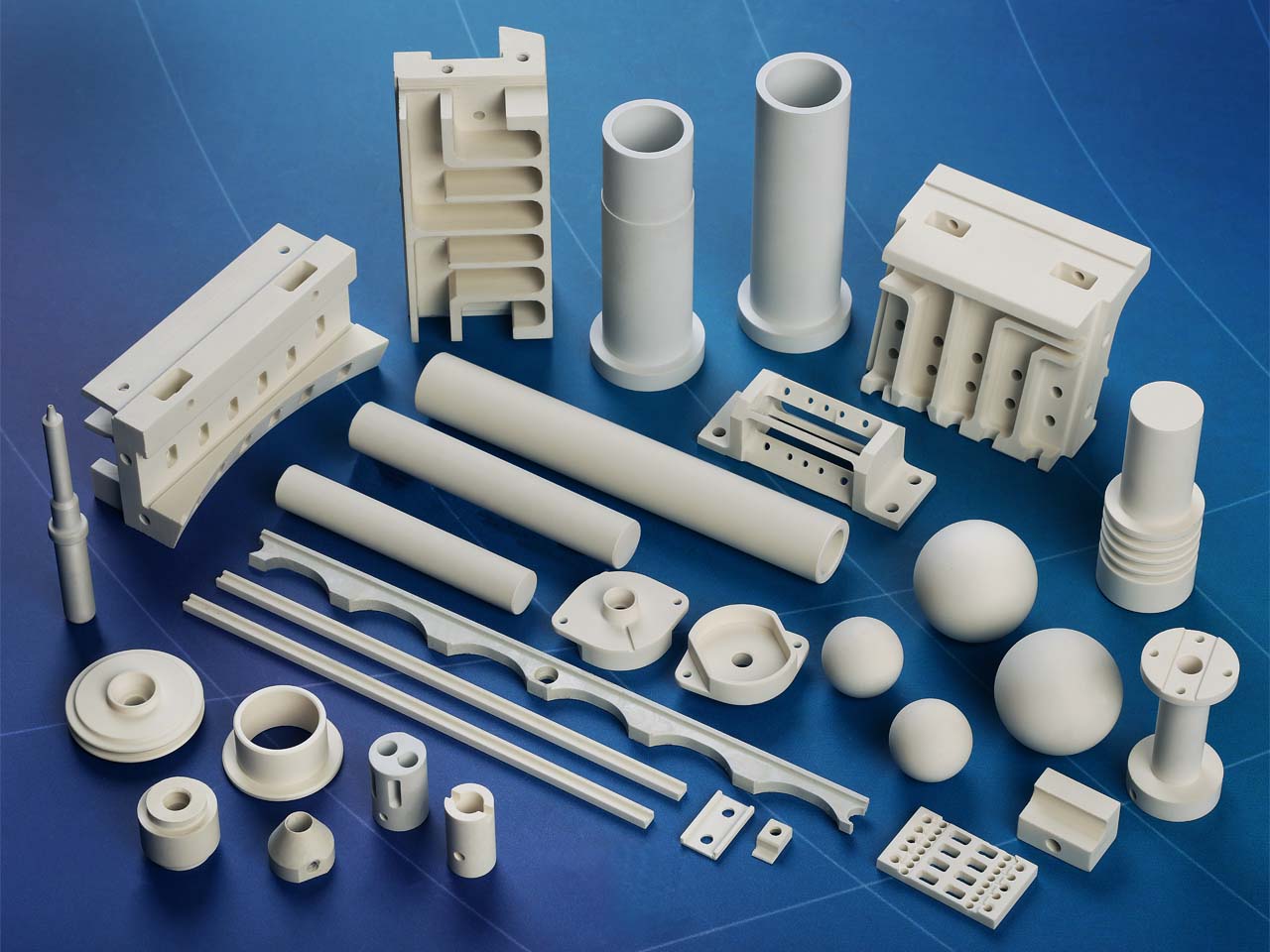
Shapal Hi M Soft™
Machinable AlN
Shapal Hi M Soft is a hybrid type of machinable Aluminum Nitride (AlN) ceramic that offers high mechanical strength, electrical insulation, and thermal conductivity.
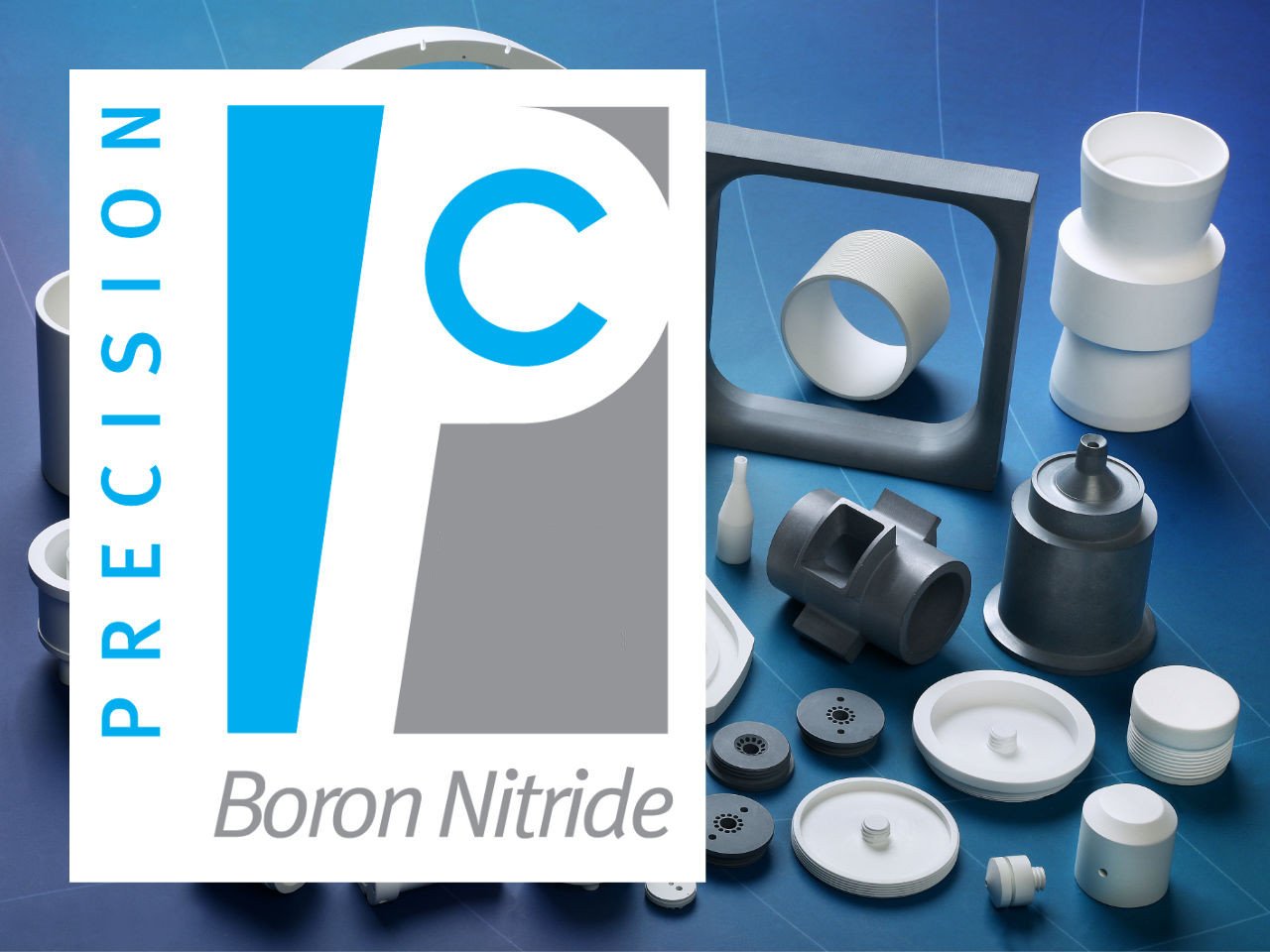
Boron Nitride
Boron Nitride Grades
Boron Nitride (BN) is an advanced synthetic ceramic material available in solid and powder form. It has outstanding thermal conductivity, electrical insulation and thermal properties, and is easy to machine.
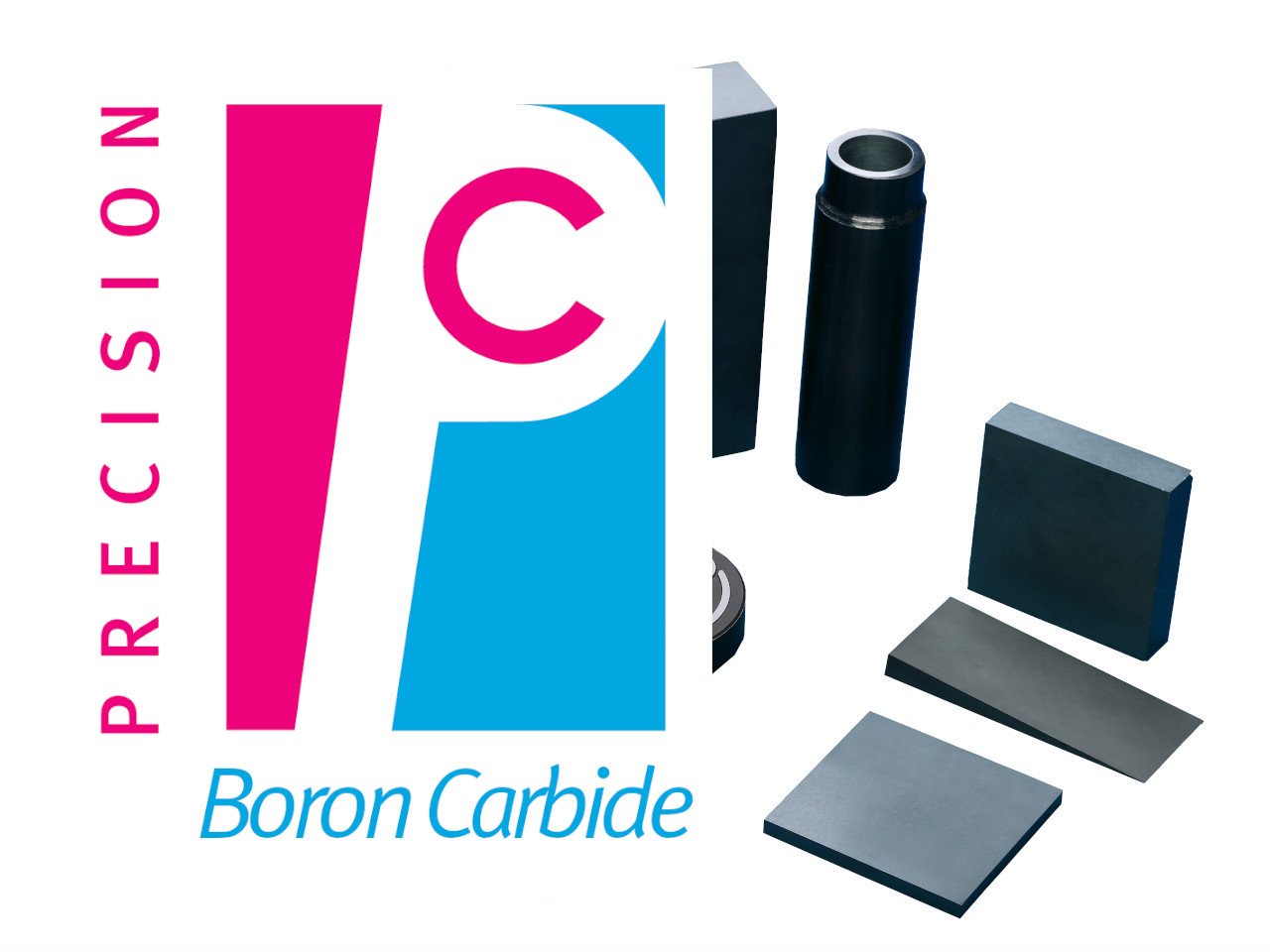
Boron Carbide
B4C
Boron Carbide (B4C), also known as black diamond, is the third hardest material after diamond and cubic boron nitride. It is a suitable material for many high performance applications due to its attractive combination of properties.
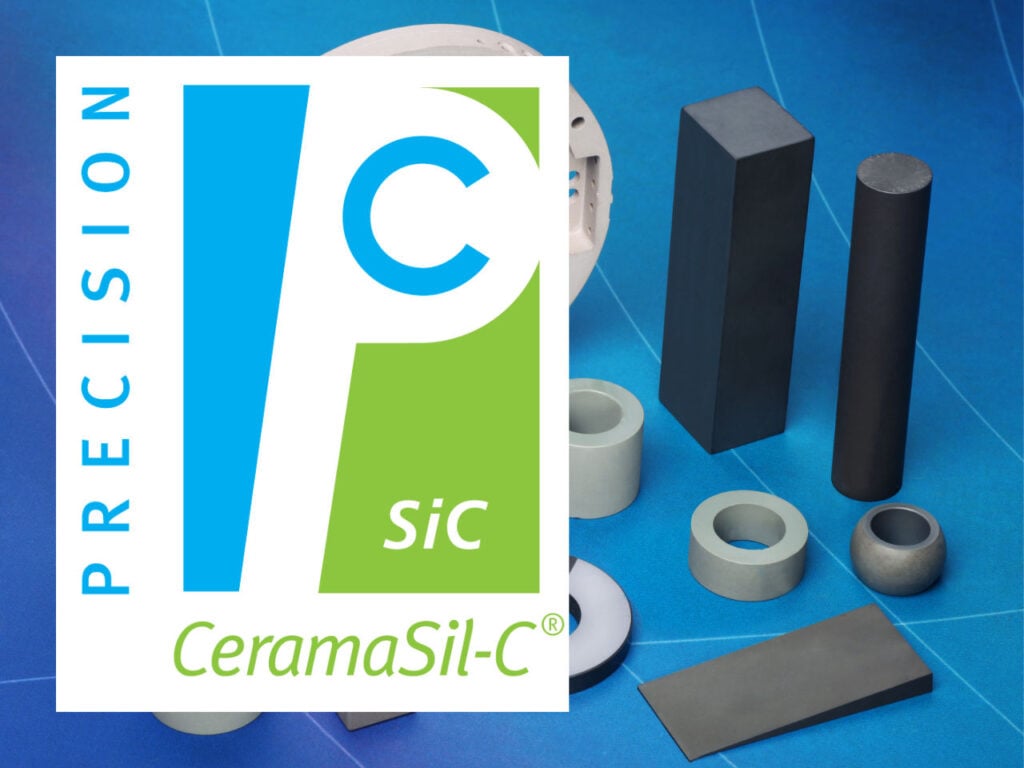
Silicon Carbide
CeramaSil-C™
Silicon Carbide (SiC) is one of the lightest, hardest, and strongest technical ceramic materials with exceptional thermal conductivity, acid resistance, and low thermal expansion.
Silicon Nitride
CeramaSil-N™
Silicon Nitride has the most versatile combination of mechanical, thermal, and electrical properties of any technical ceramic material.
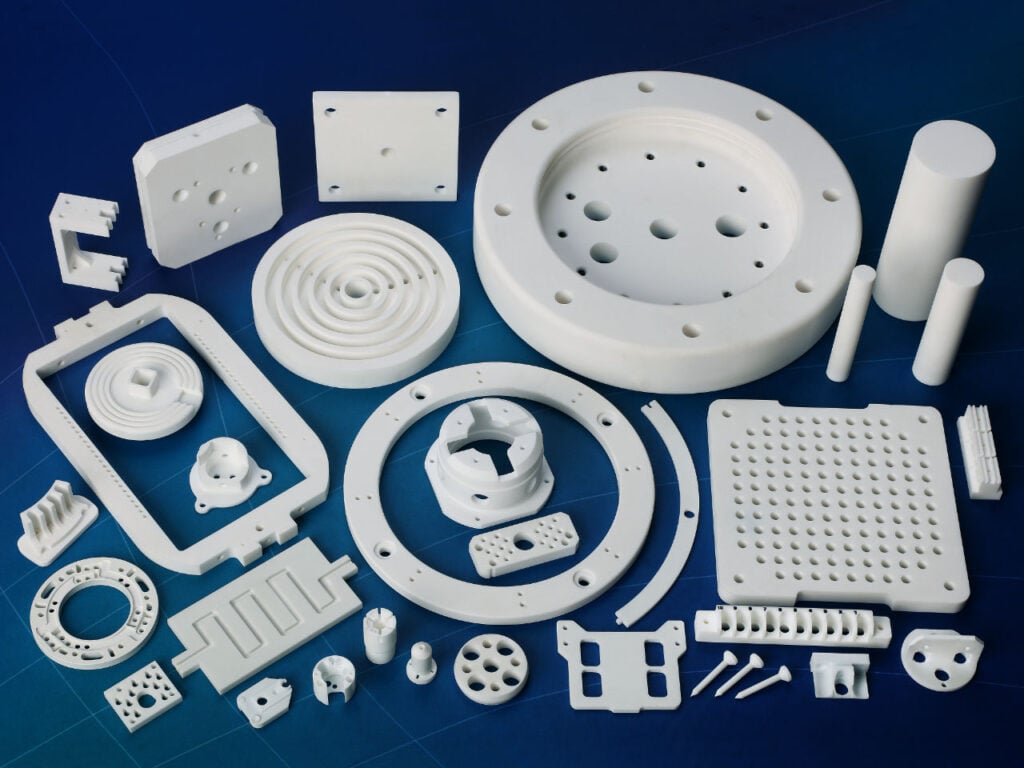
Macor®
Machinable Glass Ceramic
Macor is a hybrid glass-ceramic with the machinability of a metal, and the performance of an advanced technical ceramic. Macor is an excellent thermal and electrical insulator.
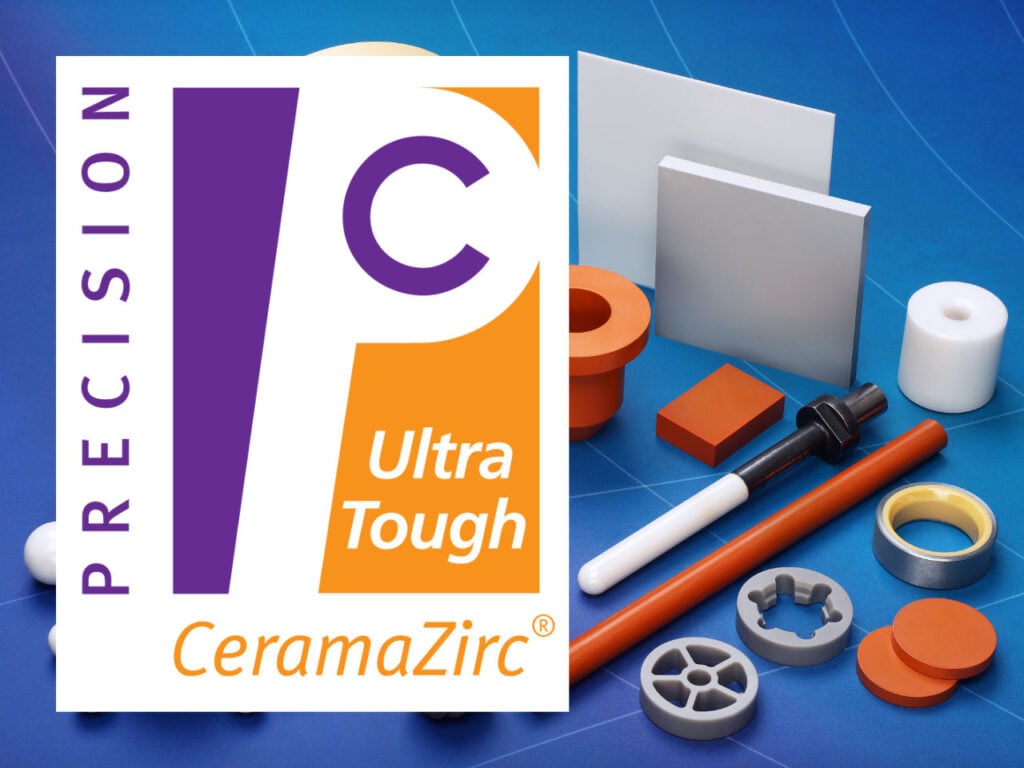
Zirconia
CeramaZirc™
Unlike traditional ceramics that tend to be hard and brittle, Zirconia offers high strength, wear resistance, and flexibility far beyond those of most other technical ceramics.
Zirconia Toughened Alumina
CeramAlloy™
Zirconia Toughened Alumina (ZTA) is a high performance ceramic composite and a unique ceramic material by way of exhibiting a combination of high hardness, strength, wear and corrosion resistance.

Alumina Toughened Zirconia
CeramAlloy™ ATZ
Alumina Toughened Zirconia (ATZ) is a high performance ceramic composite and a unique ceramic material by way of exhibiting a combination of high hardness, strength, wear and corrosion resistance characteristics to their Alumina component.
Need help?
Not sure which ceramic material is right for your application? Learn more about technical ceramics, check out our ceramic materials comparison chart, or contact us and we’ll be more than happy to help out.
Frequently Asked Questions
-
What is Aluminum Nitride?
Aluminum Nitride (AlN) is an excellent material to use if high thermal conductivity and electrical insulation properties are required; making it an ideal material for use in thermal management and electrical applications. Additionally, Aluminum Nitride is common alternative to Beryllium Oxide (BeO) in the semiconductor industry as it is not a health hazard when machined. Aluminum Nitride has a coefficient of thermal expansion and electrical insulation properties that closely matches that of Silicon wafer material, making it an useful material for electronics applications where high temperatures and heat dissipation is often a problem.
-
What is Aluminum Nitride used for?
Aluminum Nitride (AlN) is an excellent material to use if high thermal conductivity and electrical insulation properties are required. Because of it’s qualities, it is an ideal material for use in thermal management and electrical applications. Some common applications of Aluminum Nitride include the following:
- Heat sinks & heat spreaders
- Electrical insulators for lasers
- Chucks, clamp rings for semiconductor processing equipment
- Electrical insulators
- Silicon wafer handling and processing
- Substrates & insulators for microelectronic devices & opto electronic devices
- Substrates for electronic packages
- Chip carriers for sensors and detectors
- Chiplets
- Collets
- Laser heat management components
- Molten metal fixtures
- Packages for microwave devices
-
What are technical ceramics?
Ceramics, defined by the broad definition of “inorganic solids”, are one of the main classes of materials, along with metals, polymers, and composites. There are several different types of ceramics, with technical ceramics (also known as engineered ceramics or advanced ceramics) being the group with the highest performing mechanical, electrical, and/or thermal properties. Their high performance is due in part to their extremely high purities which are most commonly metal compounds combined with oxides, carbides, or nitrides. Ceramics have the ability to increase product lifespan, increase efficiency, reduce overall maintenance costs, and improve performance.
-
What are the advantages of technical ceramics?
High Hardness
One of the most common properties of engineered ceramics is extreme hardness (& stiffness) – some are more than 4 times harder than stainless steel. This high hardness directly translates into excellent wear resistance, meaning that many technical ceramics have the ability to keep their precise, high-tolerance finish much longer than any other material.
Extreme Compressive Strength
Technical ceramics have very high strength, however, this is only when compressed. For example, many technical ceramics can withstand extremely high loads ranging from 1000 to 4000 MPa. Titanium on the other hand, which is regarded as a very strong metal, only has 1000 MPa of compressional strength.
Low Density
Another common property of technical ceramics is their low density, ranging from 2 to 6 g/cc. This is significantly lighter than stainless steel (8 g/cc) and titanium (4.5 g/cc) with only the much softer aluminum being similar in density. Due to their high hardness and low weight, technical ceramics are increasingly being used in a variety of industries in applications where no other material can match their performance & long life.
Excellent Wear Resistance
Many technical ceramics are able to withstand incredibly high temperatures while still retaining their mechanical & electrical properties. Where all metals and polymers will start to compromise their properties, technical ceramics will continue to function with consistent performance and reliability. This property makes ceramics appropriate for use in very high temperature applications like furnaces, jet engines, brake systems, and cutting tools.
Excellent Electrical Properties
Technical ceramics tend to be excellent electric insulators (high dielectric strength). They are especially useful in high-temperature applications where other materials’ mechanical & thermal properties tend to degrade. Some ceramics have low electrical loss & high dielectric permittivity; these are typically used in electronic applications like capacitors and resonators. Additionally, the ability to combine an insulator with a structural component has lead to many product innovations.
Ultra-High-Temperature Ability
Technical ceramics can function in situations where no metal (or nearly any other material) can maintain their properties. Some ceramics can operate in temperatures in excess of 1750°C, putting them in a class of their own as ultra-high-temperature materials. These ceramics have proven to be invaluable in high-temperature applications like engines, turbines, & bearings where they have increased the lifespan, performance, and efficiency.
Thermally Conductive or Insulative
Different types of technical ceramic materials have wildly varying thermal properties. There are some ceramics (Aluminum Nitride) that are highly thermally conductive and are commonly used as heat-sinks or exchangers in many electrical applications. Other ceramics are much less thermally conductive, making them suitable for a wide range of applications.
Chemically Inert & Corrosion Resistant
Technical Ceramics are very chemically stable and have low chemical solubility, making them highly resistant to corrosion. Metals and polymers cannot offer the same inertness or corrosion resistance, making ceramics a highly attractive option in many commercial and industrial applications, particularly when wear resistance is also needed.
-
What are the drawbacks of technical ceramics?
Poor Shear & Tensile Strength
With all of these advantageous properties, you may be wondering why we do not see technical ceramics more frequently. This is due to a variety of reasons, but mostly because other types of strength are tensile and shear; this is where technical ceramics strength can be 15 times less than those of metals.
High Brittleness
Another issue that can arise with technical ceramics is that they can be very brittle due to their low ductility. This means that technical ceramics have very poor impact resistance. This property is caused by technical ceramics unique atomic bonds. Metals have “metallic” bonds which are relatively low strength, however, they can bond with atoms in any direction. This ability to have many multi-directional bonds is what makes metals ductile, tough, and relatively strong. Ceramics obviously do not have metallic bonds, instead they have ionic and covalent bonds – these are very strong, however they can only bond in very specific directions. This highly organized bonding structure means that it is difficult for the atomic structure to shift, making ceramics not malleable.
Difficult to Design
Every type of technical ceramic has specific thermal, mechanical, and electrical properties that can vary dramatically depending on the operating conditions & product design. In fact, even the manufacturing process of the exact same type of technical ceramic material can drastically change its properties.
-
Is Aluminum Nitride a ceramic?
Aluminum nitride (AlN) is a technical ceramic material that features an extremely interesting combination of very high thermal conductivity and excellent electrical insulation properties.
-
Is Aluminum Nitride toxic?
Exposure to AlN through mouth, inhalation, or injection may cause bone and lung toxicity. Repeated exposure can irritate the eyes and skin.
-
What's the difference between Macor and Shapal?
Shapal Hi M Soft and Macor glass ceramic are often compared because they both are machinable ceramics, however, both of these materials have significantly different mechanical and thermal properties. The following are som factors to consider when choosing between Macor and Shapal.
Thermal Conductivity
Shapal Hi M is a thermal conductor at 90 W/(m K), Macor is a thermal insulator with a thermal conductivity of 1.46 W/(m K)
Thermal Cycle
Shapal is not prone to suffering from thermal shock failures while Macor is vulnerable to thermal shock – if the parts have rapid heat up and cool down cycles then Shapal is a better option.
Maximum Temperature
Shapal has a much higher maximum use temperature of 1900C (in an inert atmosphere) and 1000C (in air).
Strength
Shapal offers better bending strength (300 vs 94 MPa) as well as better compressive strength ( 1200 vs 345 MPa) when compared with Macor.
Cost
Macor is a cheaper material that Shapal Hi M Soft, if it can be used instead of Shapal the user will typically see significant cost reductions.
-
What are the advantages of Shapal?
Shapal Hi M Soft™ is a hybrid type of machinable Aluminum Nitride ceramic that offers high mechanical strength and thermal conductivity. By combining Aluminum Nitride with Boron Nitride, Tokuyama has created a ceramic that is easily machined into complex shapes while still keeping many of the advantages of traditional Aluminum Nitride. It features excellent machinability, high thermal conductivity and excellent mechanical strength which makes it suitable for a broad range applications. Some other benefits of Shapal include:
- Can be machined by a broad range of methods such as drilling, turning, milling to form complex shapes with high precision
- Excellent sealing ability to vacuum
- Approximately five times as much thermal conductivity as that of alumina (Aluminium Oxide)
- High mechanical strength & bending strength of 30kg/mm² is comparable to that of Alumina
- Excellent electric insulation
- Low thermal expansion
- Low dielectric loss
-
What can Shapal be used for?
Shapal Hi M Soft™ is a hybrid type of machinable Aluminum Nitride ceramic that offers high mechanical strength and thermal conductivity. It features excellent machinability, high thermal conductivity and excellent mechanical strength which makes it suitable for a broad range applications, such as the following:
- Electronic components where electrical insulation and heat dissipation are required
- Components where low dielectric constant and dissipation factor are required
- Fixture parts where a low coefficient of thermal expansion is required
- Vacuum components
- Components where a low coefficient of thermal expansion required
- Heat sinks
- Crucibles for vacuum deposition
- Special refractory parts such as protective tubes
-
What's the difference between Shapal and Aluminum Nitride?
Pure Aluminum Nitride is often the material of choice for high thermal conductivity applications, however, because it is such a hard material it is often costly to produce in small quantities or non-standard sizes. Shapal Hi M Soft is a machinable Aluminum Nitride/Boron Nitride composite material that can be machined into incredibly tight tolerances and complicated shapes while still providing excellent thermal conductivity.
-
What's the difference between Macor and Alumina?
Alumina is a very commonly used technical ceramic due to its versatile properties, however, because it is such a hard material extensive diamond grinding is often required making it costly to produce in small quantities. Macor Machinable Glass Ceramic is often a viable alternative that can allows for significantly reduced production costs. The following are some factors to consider when choosing between Macor and Alumina.
Thermal Cycle
Macor is vulnerable to thermal shock – if you have rapid heat up and cool down cycles Macor may not be appropriate. Shapal may be a viable alternative.
Maximum Temperature
Macor has a maximum use temperature of 1000C (unstressed) and 800C (stressed); Alumina does offer higher temperature capabilities.
Wear Resistance
The same feature that makes Macor machinable means that it has relatively poor wear resistance when compared with Alumina.
Cost
For smaller quantities Macor often offers significant price reductions than Alumina components.
-
What is Macor made of?
Macor is a composite material made of fluorophlogopite (a type of Mica) in a borosilicate glass matrix (such as used in test tubes and Pyrex®) in a ratio of 45/55 respectively. The randomized microcrystalline structure allows tools to excavate micron-sized portions without cracking and fracture, leading to very exacting tolerances. Macor is composed of:
- 46% silica (SiO2)
- 17% magnesium oxide (MgO)
- 16% aluminium oxide (Al2O3)
- 10% potassium (K2O)
- 7% boron (B2O3)
- 4% fluorine (F)
-
What factors should I consider when using Macor?
Macor is vulnerable to halogen acids such as HCl (hydrochloric acid), although not a flash failure or sudden deterioration. Tests show a 2.52 gram sample (1cc) of Macor exposed to Hydrochloric Acid at a pH of 0.1 experienced a 100 mg loss, or 3.96% over 24 hours. Exposed to Sodium Hydroxide at a pH of 13.2 it experienced a loss of 0.396% in six hours. It is stable to 1000°C in air, and to 600°C in vacuum. Beyond 600°C (in vacuum) fluorine evolution will occur manifesting as boron trifluoride or hydrofluoric acid.
The most commonly available size of Macor is 12.5″ x 12.5″ x 2.125″ (317 x 317 x 54mm).
-
Can Macor be joined?
Macor can be connected and joined with a variety of methods. If it is metalized (metal inks or sputtering) it can be soldered, or brazed to other pieces, or bound to metal pieces such as titanium in the image to the right. Epoxy provides a strong joint and sealing glass provides a hermetic seal. Macor can even be lapped and bound with a convention mechanical connection. With its remarkably tight machining tolerances of up to 0.0005in (0.013mm), joining is a simple and straightforward task. It’s coefficient of thermal expansion readily matches most metals and sealing glasses. With appropriate polishing it can have a surface finish of less than 20 μinches, or 0.5 μmeters.
-
Is Macor good for prototyping?
Macor machinable glass ceramic is an incredibly versatile material that can quickly be made into very complex geometries. Because of it’s excellent machinability, Macor allows for rapid ceramic prototyping with many different iterations able to me made in a short period of time.
-
What is Macor Machinable Glass Ceramic used for?
Macor machinable glass ceramic was originally designed for NASA’s space shuttle to prevent thermal transfer from the exterior to the inside of the vehicle. It was used in the window frames of the space shuttle because of its electrical and heat insulating qualities; because of its radiation resistance and non-porosity (it has a porosity of zero); and because it emits no vapors (toxic or otherwise) of any kind, especially at the lower pressures that were found in spacecraft. Macor is an excellent material for high vacuum applications, such as electron microscopy, because when properly baked out, it cannot outgas at any achievable vacuum level.
Electronics / Semiconductors
- Precision coil formers (high precision and dimensionally stable)
- High voltage insulators (smooth surface finish and unaffected by arcing)
Laser Applications
- Spacers, cavities and reflectors in laser assemblies (precision finish and heat resistant)
High Vacuum Applications
- Thermal breaks in high temperature processing equipment.
- Coil supports and vacuum feed-throughs (vacuum stable and hermetically sealable)
Aerospace / Space Industry
- Retaining rings on hinges, windows and doors of NASA’s Space Shuttle
- Supports and components in several satellite borne systems (thermally and electronically insulating)
Nuclear Industry
- Fixtures and reference blocks in power generation units (dimensionally unaffected by irradiation)
-
What is Boron Carbide used for?
The combination of low specific weight, high hardness and reasonable toughness makes it a suitable material for body and vehicle armor. Boron carbide is also extensively used as control rods, shielding materials and as neutron detectors in nuclear reactors due to its ability to absorb neutrons without forming long lived radionuclide. As it is a p-type semiconductor, boron carbide can be a suitable candidate material for electronic devices that can be operated at high temperatures. Boron Carbide is also an excellent p-type thermoelectric material. Some typical applications of boron carbide include:
- Sand blasting nozzles
- Ball & roller bearings
- Seals
- Wire drawing dies
- Body armour
-
What can Zirconia ceramic be used for?
- Wire forming/drawing dies
- Insulating rings in thermal processes
- Precision shafts and axles in high wear environments
- Furnace process tubes
- Wear resistance pads
- Thermocouple protection tubes
- Sandblasting nozzles
- Refractory material
- Extrusion dies
- Bushings and caps
- Kiln furniture crucible
- Fiber optic ferrules and sleeves
- Knives and blades
- Fuel cell parts
- Bearings & rollers
- Welding nozzles & pins
- Laser parts
- Gas igniters
- Electric insulator
- Ceramic guiders
- Oxygen sensors
- Medical and surgical component
- Mechanical seals
- Pumps, pistons, and liners
-
What's the difference between Yttria and Magnesia Stabilized Zirconia?
While Y-PSZ is excellent for demanding mechanical applications, it may not be suitable for very high temperature applications because it suffers from grain boundary sliding; this occurs when prolonged exposure to heat causes the material to transform form the strong tetragonal phase to the weaker monoclinic phase. Similarly, it may not be suitable for warm and moist conditions since its properties deteriorate when it is exposed to water vapor. YSZ is therefore best suited when it is operating in dry and moderate temperature conditions. For more information on hydrothermal aging of Zirconia please contact us.
M-PSZ has better temperature and moisture resistant properties because it does not suffer from phase migration. M-PSZ maintains its strength even in moist high temperature environments where YSZ mechanical properties begin to deteriorate. -
What are the properties of Zirconia?
The following are some general properties of Zirconia ceramic. For a full list and comparison of Zirconia properties, see our Zirconia properties comparison table.
- High density – up to 6.1 g/cm^3
- High flexural strength and hardness
- Excellent fracture toughness – impact resistant
- High maximum use temperature
- Wear resistant
- Good frictional behavior
- Electrical insulator
- Low thermal conductivity – aprox. 10% of Alumina
- Corrosion resistance in acids and alkalis
- Modulus of elasticity similar to steel
- Coefficient of thermal expansion similar to iron
-
What is Zirconia ceramic?
Zirconia is a very strong technical ceramic with excellent properties in hardness, fracture toughness, and corrosion resistance; all without the most common property of ceramics – high brittleness. Unlike traditional ceramics that tend to be hard and brittle, Zirconia offers high strength, wear resistance, and flexibility far beyond those of most other technical ceramics.
There are several grades of Zirconia available, the most common of which are Yttria Partially Stabilized Zirconia (Y-PSZ) and Magnesia Partially Stabilized Zirconia (Mg-PSZ). Both of these materials offer excellent properties, however, the operating environment and part geometry will dictate which grade may be suitable for specific applications (more on this below). Its unique resistance to crack propagation and high thermal expansion make it an excellent material for joining ceramics with metals like steel. Due to Zirconia’s unique properties it is sometimes referred to as the “ceramic steel”. -
What is Silicon Carbide used for?
Silicon Carbide has properties remarkably similar to those of diamond – it is one of the lightest, hardest, and strongest technical ceramic materials and has exceptional thermal conductivity, resistance to acids, and low thermal expansion. Silicon Carbide is an excellent material to use when physical wear is an important consideration because it exhibits good erosion and abrasive resistance, making it useful in a variety of applications including the following:
- Valve seats
- Sliding bearings
- Mechanical seal faces
- Plungers
- Wear parts
- Kiln furniture
- Burners
- Blast nozzles
- Heat exchangers
- Letdown valves
-
What is Silicon Nitride used for?
- Rotating ball bearings and rollers bearings
- Cutting tools
- Engine components: valves, rocker arm pads, and seal faces
- Induction heating coil supports
- Turbine blades, vanes, and buckets
- Welding and brazing jigs
- Heating Element components
- Crucibles
- Metal tube forming rolls and dies
- TIG / Plasma welding nozzles
- Weld positioners
- Precision shafts and axles in high-wear environments
- Thermocouple sheaths and tubes
- Semiconductor Process Equipment
-
What is Alumina used for?
Alumina is a very hard ceramic and is excellent at resisting abrasion. It is ideal for wear-resistant inserts or products. Alumina is commonly used as a high temperature electrical insulator, particularly the higher purity grades which offer better resistivity. Alumina also offers good resistance to strong acids and alkalis at elevated temperatures and is ideal for applications where resistance to corrosive substances is required. Some common applications of Alumina include:
- Electronic components & substrates
- High temperature electrical insulators
- High voltage insulators
- Laser tubes
- Machine components
- Mechanical seals
- Precision shafts and axles in high wear environments
- Roller and ball bearings
- Seal rings
- Semiconductor parts
- Shot blast nozzles
- Thermocouple tubes
- Tap plates
- Valve seats
- Wear components
- Wire and thread guides
- Ballistic Armor
-
What are the advantages of Alumina?
Alumina, also known as Aluminum Oxide, is a hard wearing advanced technical ceramic material frequently used in a wide variety of industrial applications. It features high hardness and wear resistance, low erosion levels, high temperature resistance, corrosion resistance, and bioinertness. Additionally, it can be highly polished making it useful for precision sealing applications like pumps and pistons. Alumina is an excellent high temperature ceramic material due to its high temperature stability. It is the most commonly used type of advanced ceramic and is available in purities ranging from 95 – 99.9%.
Some of the key advantages of Alumina include:
High Temperature Ability – Alumina can be used in both oxidizing and reducing atmospheres up to 1650°C (2900°F) and in vacuum environments up to 2000°C (3600°F).
Abrasion Resistant – Alumina is a very hard ceramic and is excellent at resisting abrasion. It is ideal for wear-resistant inserts or products.
Electrical Insulator – Alumina is commonly used as a high temperature electrical insulator, particularly the higher purity grades which offer better resistivity.
Chemical Resistance – Alumina offers good resistance to strong acids and alkalis at elevated temperatures and is ideal for applications where resistance to corrosive substances is required.
Additional properties and advantages of Alumina include
- High hardness
- Wear & abrasion resistant
- High compressive strength
- High mechanical Strength
- Resists strong acid and alkali attack at high temperatures
- Excellent electrical insulation properties
- Decent thermal conductivity
-
What is Boron Nitride used for?
Boron Nitride is available in virtually any custom shape that can be machined and has unique characteristics and physical properties which make it valuable for solving tough problems in a wide range of industrial applications.
- Break rings for continuous casting of metals
- Crucibles and containers for high purity molten metals and glasses
- Deck plates
- Heat treatment fixtures
- High temperature lubricant
- High temperature valves
- High temperature and high voltage electrical insulators
- Induction heating coil supports
- Laser Nozzles
- Mold release agent
- Moltel metals and glass casting
- Nozzles for transfer or atomization
- Nuclear Shielding
- Radar components and antenna windows
- Refractory applications
- Spacers
- Vacuum furnace supports which require electrical resistivity
- Setter plates for high temperature furnaces
- Electrical insulators for high temperatures and high voltages
- Vacuum feedthroughs
- Plasma chamber lining and fittings
- Nozzles for non-ferrous metals and alloys
- Thermocouple protection tubes and sheaths
- Laser supports
-
What is Boron Nitride?
Boron Nitride (BN) is an advanced synthetic ceramic material available in solid and powder form. Its unique properties – from high heat capacity and outstanding thermal conductivity to easy machinability, lubricity, low dielectric constant and superior dielectric strength – make boron nitride a truly outstanding material.
In its solid form, boron nitride is often referred to as “white graphite” because it has a microstructure similar to that of graphite. However, unlike graphite, boron nitride is an excellent electrical insulator that has a higher oxidation temperature. It offers high thermal conductivity and good thermal shock resistance and can be easily machined to close tolerances in virtually any shape. After machining, it is ready for use without additional heat treating or firing operations.
In inert and reducing atmospheres, our Boron Nitride grades will withstand temperatures over 2000°C. It is commonly used as an insulator in contact with tungsten and graphite electrodes at those temperatures.
-
Do you supply or work with other materials that are not listed on your website?
Precision Ceramics is unusual as we offer the full range of technical ceramics from machinable grades like Macor and Shapal through to materials that require diamond grinding like alumina, zirconia, carbides and nitrides. We can machine and supply virtually any ceramic material – please contact us with your specific requirements for more information. Our goal it to optimize the material selection and design for the customer, rather than what is right for our capability.
-
Can you help me with material selection and design of ceramics?
Yes we can. We have a competent team of technical sales staff with many years’ experience that can help you chose the right material. Whether it is for wear, thermal management, electrical properties, or something else, we can help you by designing an appropriate component for ceramic manufacture from simple suggestions to more complex solutions. Contact us with details of your application and one of our engineers will be happy to help you.
-
Are you willing to sign a Non-Disclosure Agreement for confidential projects?
Precision Ceramics works with many organizations to develop projects that may be confidential or sensitive in nature. We have an established record of working with our customers to ensure that the highest level of privacy is maintained for confidential projects.
-
Can I machine the ceramics myself?
The harder ceramics like alumna and zirconia will require diamond tooling but other materials like Macor and Shapal can be machined. To get the right result it does take time, experience and semi-specialized tooling but it can be done and many of our customers take advantage of this when they need extremely fast solutions in-house.
-
Can I get a sample or purchase a small quantity?
Yes, we are happy to supply small samples of material for you to test. We can also supply prototype quantities through to volume production to suit your needs.
-
What is the maximum size of Macor I can purchase?
300mm x300mm x 55mm is the maximum size and we can supply any smaller size or shape on request. We also carry many standard sizes of Macor bar, rod and sheet in stock for quick delivery. We are happy to discuss supplying fully machined components produced in our in-house facility. A thickness of 60mm may be possible in some applications.
-
What is the maximum size of Shapal I can purchase?
We have recently been able to increase the maximum size availability of Shapal to 300mm x 300mm x 64mm. We carry many standard sizes of Shapal in stock and can supply fully machined components or non-standard sizes on request.
-
What is the maximum working temperature of Macor?
Macor begins to soften at 1,000°C so for continuous use we would recommend a maximum working temperature of 850’C. We have other ceramics that can be used under load at over 2,000°C.
-
What is the maximum working temperature of Shapal Hi M Soft?
Shapal can be used at temperatures up to 1,900°C in an inert atmosphere and up to 1,000°C in an oxidizing atmosphere. Click Here for further information about Shapal’s material properties.
-
Do you have a minimum order value?
No, we are happy to cater to any size project.
-
Do you ship internationally?
Yes we can ship to virtually anywhere in the world. Typically we will use FEDEX Express or we can also arrange shipments on your own courier account if you prefer to take this route.
-
How long will it take for you to send me a quote?
This depends totally on the complexity of your requirements. For simple items such as bars and rods, we can generally supply a quotation within 48 hours. For more complex items, we should be able to respond within 3 to 4 days. If you have any other specific question on any of our products or services, please contact us.
-
What is the name of Al2O3?
Al2O3 is the chemical formula for Aluminium oxide, which is a chemical compound of aluminium and oxygen. It is commonly called alumina.
-
What are the advantages of Silicon Nitride?
Compared with other technical ceramics, the low thermal expansion coefficient of Silicon Nitride provides good thermal shock resistance. It is extremely hard, fracture-tough, surpasses the high temperature capabilities of most metals, and also has a superior oxidation resistance. As a consequence, silicon nitride can withstand the toughest conditions in the most demanding high-temperature and high-load applications.
Even NASA scientists recognized its unique properties when silicon nitride bearings were used in the main engines of the Space Shuttle. It was identified as one of the few monolithic ceramic materials capable of surviving the severe thermal shock and thermal gradients generated in hydrogen / oxygen rocket engines and proved completely reliable throughout the entire Space Shuttle program.
-
What is the formula for Silicon Nitride?
The formula for silicon nitride is Si3N4.
-
Why is ceramic used in body armor?
The combination of low specific weight, high hardness, and reasonable toughness makes it a great material for body and vehicle armor. The weight reduction achieved with lightweight ceramics like DuraShock™ compared to steel or heavier ceramics is substantial and allows the vehicle to take on more cargo or ammunition. For these reasons, it is a popular alternative to steel armor and offers extra comfort and flexibility in body armor, allowing the wearer to move more freely.
-
What is DuraShock™ ceramic armor made of?
DuraShock™ is a Boron Carbide/Silicon Carbide ceramic composite, developed to give the very best combination of high ballistic performance with weight-saving considerations, while maintaining a reasonable cost. It’s a material developed and sold by Precision Ceramics.
-
What is the difference between DuraShock™ and other ceramic armor?
DuraShock™ is a ceramic ceramic composite between BoronCarbide and Silicon Carbide.
Both Boron Carbide and Silicon Carbide are excellent armour materials in their own rights , each with advantages and disadvantages. For example Boron Carbide is very light and provides a very good level of protection but its brittle and very expensive to manufacture. Silicon Carbide is more economical to produce but it’s heavier and its performance is less than that of Boron Carbide. DuraShock™ effectively combines the advantages of both while minimising the disadvantages. With DuraShock™ the performance is comparable to that of Boron Carbide for a price more indicative of Silicon Carbide.
-
Steel vs ceramic armor, what are the benefits?
There are differing factors when comparing steel and ceramic body armor. Below is a list of some of the benefits and draw backs of ceramic armor in comparison to steel:
BENEFITS
- Lightweight – ceramic plates weigh considerably less than steel and in some cases the weight can be halved
- Ceramic armor protects against high-caliber weapons whereas as steel is vulnerable (NIJ Lever 4 AP M2 or similar)
- Increased flexibility of ceramic armor which increases effectiveness in combat situations
- Ceramic armor is more stable than steel meaning its easy to store without worrying about armor degradation
- Steel armor tends to cause ricochet and is shrapnel prone both of which is not found with ceramic armor
DRAW BACKS
- In most cases after ceramic armor has suffered an impact it cannot be used again and is more brittle than steel
- Steel has a longer lifespan when compared to ceramic armor
- Steel armor is usually cheaper
-
What can Zirconia Toughened Alumina ceramic (CeramAlloy) be used for?
- Wire forming/drawing dies
- Insulating rings in thermal processes
- Precision shafts and axles in high wear environments
- Wear resistance pads
- Sandblasting nozzles
- Refractory material
- Extrusion dies
- Bushings and caps
- Fiber optic ferrules and sleeves
- Bearings & rollers
- Welding nozzles & pins
- Laser parts
- Electric insulator
- Ceramic guiders
- Medical and surgical component
- Mechanical seals
- Pumps, pistons, and liners
-
What's the difference between Zirconia, Alumina, and Zirconia Toughened Alumina (CeramAlloy)?
While Zirconia has the highest fracture toughness of all the oxide monolith ceramic materials, Alumina is one of the most cost effective ceramic materials yet exhibiting very high hardness, thermal stability and favourable electrical properties. CeramAlloy ZTA is a composite material based on Alumina and Zirconia and therefore combining to a certain extent the favourable properties of the two main constituents. So CeramAlloy ZTA will retain the very high hardness of Alumina but also show an increase in fracture toughness and bending strength owing to its Zirconia component so a true “best of both worlds”.
-
What are the properties of Zirconia Toughened Alumina (CeramAlloy)?
The following are some general properties of CeramAlloy ZTA ceramic.
- High density – up to 4.1 g/cm^3
- High flexural strength and hardness
- Good fracture toughness – moderate impact resistant
- High maximum use temperature
- Wear resistant
- Good frictional behaviour- favourable coefficient of friction
- Electrical insulator
- Corrosion resistance in acids and alkalis
-
What is Zirconia Toughened Alumina ceramic (CeramAlloy)?
CeramAlloy ZTA is a composite material based on Alumina and Zirconia and therefore combining to a certain extent the favourable properties of the two main constituents.
-
What forms are Boron Nitride available in?
Boron Nitride (BN) is available in solid, powder, liquid, and aerosol form.
In its solid form, boron nitride is often referred to as “white graphite” because it has a microstructure similar to that of graphite. Large billets of hot pressed material are available to produce large complex components. The material is easy machining and requires no post heat treatment.
Precision Ceramics offer a limited range of powders for lubrication and thermal management.
Boron nitride can be used in a liquid suspension suitable for painting on surfaces in contact with materials such as molten aluminium.
It can also be supplied in an aerosol for easy application and is used in glass manufacturing and for working materials such as titanium.
Precision Ceramics offer a wide range of solid boron nitrides suitable for many applications and we can discuss the best option to suit your requirements. We can supply the material or finished machined components to your drawing specifications.
-
What is the difference between Wurtzite, Cubic, and Hexagonal Boron Nitride?
Wurtzite boron nitride has been found in small quantities on meteors that have landed on earth and is not commercially available. Initial investigation of the wurtzite form suggested it was potentially 18% stronger than diamond. But as only small quantities have been found, verification of this has not been able to be conclusively proved.
Cubic boron nitride has a crystal structure similar to that of diamond with similar properties. Cubic boron nitride is commercially available and is used in applications to replace diamond. It’s hardness is its key property.
Hexagonal boron nitride is readily commercially available. In solid form, it can be made in large billets. The solid material can withstand high temperatures whilst having good electrical properties and withstand aggressive molten metals. Unlike the wurtzite and cubic forms, the material is relatively soft.
Precision Ceramics has over 30 years of experience working with hexagonal forms of boron nitride available in various grades.
-
What materials are used in fusion reactors?
Fusion reactors require special materials that can withstand the incredibly harsh environment inside the reactor. Technical / advanced ceramics can provide the properties required to withstand these harsh environments. There are a combination of materials required in a reactor;
1. Structural materials form the main body of the reactor and need to be very strong and resistant to the intense heat and radiation. Some examples are steels modified to be less radioactive when bombarded by neutrons, copper, titanium, vanadium alloys and fiber-reinforced silicon carbide.
2. Plasma-facing materials line the inner wall of the reactor vessel and are in close proximity to the hot plasma. They need to be able to withstand high temperatures, particle bombardment, and chemical erosion.
3. Breeder blanket and heat exchange materials. Ceramics that are chemically inert and have good thermal properties include Shapal Hi M Soft, Macor, Alumina, Boron Nitride and Zirconia.
4. Magnetic confinement materials. Ceramics are suitable for cryogenic and high magnetic field applications.
5. Control, instrumentation and peripherals. Ceramics are likely to be incorporated in electrical, electronic and sensor control applications throughout the fusion systems.
The choice of materials for a fusion reactor is a complex one. The best materials will depend on the specific design and related challenges of the fusion reactor which can be very different from one another.
-
Can ceramics withstand fusion reactor conditions?
Technical ceramics are promising candidates for components within a fusion reactor, but not necessarily the core plasma chamber. The combination of advantageous properties that ceramics offer is helpful in extreme environments. Here’s a breakdown:
- Advantages:
- High and low temperature resistance: Certain ceramics can withstand very high temperatures, which is a crucial requirement for fusion reactors. Ceramics are also compatible with cryogenic temperatures.
- Electrical insulation: Most engineering ceramics have excellent insulation properties whilst the thermal properties can be insulating or conducting to suit the application.
- Corrosion and radiation resistance: Ceramics are chemically inert and offer good resistance to radiation environments. Some ceramic materials can be used for radiation shielding.
- Compatible with strong magnetic fields: This enables ceramic components to be used without disturbing the magnetic confinement system.
- Mechanical and dimensional capabilities: Technical ceramics offer high strength and toughness and can be manufactured to high tolerances, offering robust and long life performance required in fusion systems.
- Lithium-containing ceramics: are being researched for their potential role in tritium breeding, a typical process in fusion reactors.
- Challenges:
- Toughness: Ceramics have lower toughness than metals and this needs to be considered in component design and material selection to ensure compatibility in the harshest environments of a fusion reactor.
- Radiation effects: Exposure to radiation in a fusion reactor can degrade the properties of ceramics over time. Conventional ceramic materials would not survive the highest neutron flux levels.
- Manufacturing limitations: Producing complex shapes and large sizes from ceramics can be difficult and expensive. This can limit their use in some applications within a fusion reactor.
- Advantages:
-
How are ceramics used in tokamak reactors?
While conventional ceramics may not be ideal for the superheated and high neutron flux core of a tokamak reactor, they are being explored for specific components in fusion systems. E.g. the breeder blanket, magnetic confinement system, water cooling, electrical and sensor control, high power energy sources for inertial confinement systems etc.
The breeder blanket for example, surrounds the plasma chamber and performs several key functions:
- Tritium Breeding: Fusion reactors typically use a fuel mixture of deuterium and tritium. Tritium is not readily available in nature, so the reactor needs to breed its own tritium fuel. Lithium-containing ceramics are being investigated as a potential material for the blanket. These ceramics would contain lithium, which can be bombarded by neutrons from the fusion reaction to generate tritium.
Here’s how it works:
- Neutrons from the plasma chamber hit the lithium in the ceramic blanket.
- The neutrons cause the lithium to undergo nuclear reactions, producing tritium.
- The tritium can then be extracted and used as fuel for the fusion reaction.
This is still under development, but it highlights a potential application of ceramics in tokamak reactors.
-
What are the limitations of ceramics for fusion?
Ceramics offer multiple advantages for fusion reactors, although limitations need to be recognized to ensure that they are used in suitable applications. Here’s a breakdown of the key limitations:
- Toughness: This is a major consideration in material selection. Ceramics are inherently non ductile and may be prone to cracking under tensile or shear stresses. Fusion reactors systems may experience intense thermal and mechanical stresses, so toughness may be needed to ensure a robust design. Some ceramics such as Zirconia, Silicon Nitride and ceramic composite materials exhibit enhance toughness and may be selected for this reason.
- Radiation Effects: The intense neutron bombardment inside a fusion reactor can degrade the properties of all materials including ceramics over time. Ceramics could have reduced mechanical properties, lose their ability to withstand high temperatures, or even undergo dimensional changes.
- Limited Material Selection: Ceramic materials differ considerably and it’s important to consider the best combination of properties required such as, high-temperature resistance, thermal conductivity, electrical insulation, mechanical strength and radiation tolerance for the fusion application. There may need to be some compromises in finding the right balance of properties within a single ceramic material.
- Manufacturing limitations: Producing complex shapes and large sizes from ceramics can be difficult and expensive. This can limit their use in some applications within a fusion reactor.
Despite these limitations, researchers are actively developing new ceramic materials and improving fabrication techniques to overcome them. Here are some areas of focus:
- Developing tougher ceramics: Research is ongoing to create ceramics that are more resistant to cracking under stress, even at high temperatures.
- Understanding radiation effects: Scientists are studying how radiation affects different ceramics and developing methods to mitigate these effects.
- Novel fabrication techniques: New methods for shaping ceramics, such as additive manufacturing, are being explored to create complex shapes more easily and cost-effectively.
By understanding these limitations, ceramics have the potential to play a more significant role in future fusion reactors, close to the central fusion environment and for other peripheral components.
-
Why are ceramics used in medical scanners?
There are several key reasons why ceramics are a material of choice for many components in medical scanners:
- Biocompatibility: Most types of ceramics are inert within the human body, meaning they don’t trigger adverse reactions or interact with tissues. This makes them ideal for components that may come into contact with patients during scans.
- High Strength and Durability: Many ceramics offer exceptional strength and resistance to wear and tear. This is crucial for scanner components that need to withstand repeated use and potential pressure from patient positioning.
- X-ray Transparency: Unlike some metals, ceramics allow X-rays to pass through them with minimal interference. This transparency is essential for scanners to capture clear images of internal body structures.
- Electrical Insulation: Most ceramics are excellent electrical insulators, which helps to maintain the electrical integrity of scanner components and protects patients from stray currents. Ceramics have a negligible influence on the magnetic field which allows them to be used inside an MRI during a scan.
- Heat Resistance: Some medical scanners, like CT scanners, generate a lot of heat. Ceramics can handle high temperatures without warping or losing their properties.
-
What are the different components in a medical scanner made of ceramics?
A variety of components within medical scanners can benefit from using ceramics. Here are some examples:
- Patient Positioning Components: Tables, pads, and other structures used to position patients during scans can be made from ceramics to ensure strength, stability, and biocompatibility. They may also be used to enhance the resolution or contrast of the imaging.
- Collimators: These components control the X-ray beam within the scanner. Ceramics are often used for their ability to withstand the X-ray radiation and shape the beam precisely.
- Detector Housings: The detectors in medical scanners convert X-rays into electrical signals that create the image. Ceramic housings can shield these delicate components from stray radiation and maintain optimal operating temperatures.
- Insulators: Ceramic insulators separate electrical components within the scanner, preventing unwanted current flow and ensuring safe operation.
- Feedthroughs and Instrumentation: ceramics may be used to provide the power to the electromagnet and also for instrument power distribution through the wall of a scanner.
-
What types of medical scanners use ceramics?
Ceramics are widely used in various medical imaging technologies, including:
- X-ray machines: These scanners use X-rays to produce basic images of bones and internal structures. Ceramics are often used in collimators and patient positioning components.
- CT scanners (Computed Tomography): These scanners generate detailed cross-sectional images using X-rays. Ceramics play a role in collimators, detector housings, and patient support structures.
- PET scanners (Positron Emission Tomography): These scanners use radiotracers to assess metabolic activity within the body. Some PET manufacturers may utilize ceramics for specific parts due to their mechanical, electrical, thermal and radiation resistance properties.
- New Beam Therapies (Neutron Capture Therapy, Proton Beam Therapy): There are innovative therapies being developed to improve the targeting of cancerous areas in the patient and to reduce side effects from the treatment. All of these new systems will require advanced ceramics as part of the durable electrical, thermal and mechanical components.
It is important to note that the specific types and applications of ceramics may vary depending on the scanner manufacturer and model. In addition to the examples listed above, there will be a multitude of small ceramics parts used in the electronics and control systems, e.g. resistor cores, fuses, surge arrestor sleeves, ceramics substrates, dielectrics, inductor cores and various sensors. These small but critical components are located within all modern engineered systems.
-
Why are ceramics important in high energy physics?
Technical ceramics are crucial in high energy physics due to their exceptional properties that allow them to withstand extreme conditions.
Here’s a breakdown:
- Extreme Environments: Particle accelerators and synchrotrons generate immense heat, radiation, and pressure. Ceramics excel in withstanding these harsh conditions without degradation.
- Precision and Accuracy: The precise nature of high-energy physics experiments demands materials with exact properties. Ceramics offer consistent and predictable performance.
- Electrical Insulation: Many components in these experiments require excellent electrical insulation. Ceramics provide this property without compromising on mechanical or thermal characteristics.
- Vacuum Compatibility: Particle accelerators operate in ultra-high vacuum environments. Ceramics are inert and release minimal contaminants, making them ideal for these conditions.
In essence, technical ceramics provide the essential foundation for the complex machinery and experiments used in high energy physics research.
-
What are the key properties of ceramics that make them suitable for high energy physics applications?
Technical ceramics possess a unique combination of properties that make them indispensable in high energy physics:
- High and Low Temperature Resistance: Ceramics can withstand extremely high temperatures without melting or degrading, making them ideal for components exposed to intense heat generated during particle acceleration. Ceramics also perform well at very low temperatures often required for physics experiments.
- Excellent Thermal Conductivity or Insulation: Some ceramics efficiently transfer heat, preventing overheating and ensuring optimal performance of components. Other ceramic materials are excellent thermal insulators and may be used to provide a thermal barrier.
- Chemical Inertness: Ceramics are resistant to corrosion and chemical attack, preserving their integrity in aggressive environments.
- Electrical Insulation: Many ceramics exhibit excellent electrical insulating properties, preventing short circuits and ensuring precise control of particle beams.
- Vacuum Compatibility: Ceramics release minimal contaminants, making them suitable for ultra-high vacuum environments required in particle accelerators.
- Radiation Resistance: Certain ceramics can withstand high levels of radiation without significant degradation, preserving their structural integrity.
These properties, in combination, make technical ceramics invaluable for constructing the components that underpin high energy physics research.
-
What factors affect flexural strength in ceramics?
Factors include composition, grain size, processing method, defect distribution, surface finish, component size and shape, and sintering conditions.
-
How does zirconia compare to alumina in flexural strength?
Zirconia typically offers higher flexural strength than alumina due to its smaller grain size and superior fracture toughness. Hence zirconia earned the nickname ‘Ceramic Steel’. In addition, it has 50% lower Young’s Modulus (stiffness), resulting in four times the deflection before failure.
-
Is flexural strength the same as tensile strength?
No. Flexural strength measures resistance to bending, while tensile strength measures resistance to pulling forces. Tensile strength is around 50-70% of flexural strength as a rough guide.
-
Can ceramics be engineered to improve flexural strength?
Yes, through techniques like nano-grain refinement, composite reinforcement, and HIPPING (Hot Isostatic Pressing).
-
Which applications may require thermal insulation or thermal conduction properties?
High thermal conductivity materials play a crucial role in preventing overheating in furnaces, industrial processing systems, aerospace, electronics. Discover why efficient heat transfer is key to keeping electronics running smoothly and reliably.
-
Why is Aluminum Nitride preferred for thermal applications?
It offers excellent heat conduction (up to 230 W/mK) while maintaining electrical insulation.
-
Can ceramic materials compete with metals in thermal conductivity?
While ceramics like AIN offer high thermal conductivity, metals still outperform them—but ceramics also offer electrical insulation and chemical stability.
-
What limits ceramic thermal conductivity?
Grain boundaries, impurities, porosity, and material interfaces.
-
Why is dielectric strength critical in ceramics?
It ensures the component can handle strong electric fields without breaking down, while the ceramic materials offer mechanical, chemical and thermal advantages which are vital for electrical insulation and operational safety.
-
What affects dielectric performance in a ceramic component?
Moisture, impurities, operating temperature and surface flaws can significantly lower dielectric strength. Consistent material quality, appropriate material selection and protective coatings help mitigate this.
-
Can dielectric strength be improved?
Yes, by enhancing the material’s purity, reducing porosity, and optimizing manufacturing techniques. End users may employ AC conditioning to raise the breakdown strength.
-
Which industries benefit most from ceramics with high dielectric strength?
Electronics, aerospace, telecommunications, X-Ray Sources, and medical imaging rely on ceramic materials to withstand extreme voltages.
-
What is the difference between Dielectric Strength and Breakdown Voltage?
Dielectric strength refers to the maximum electric field (measured in kilovolts per millimeter, kV/mm) that a material can withstand without electrical failure. In contrast, breakdown voltage is the specific voltage value at which a material fails or conducts electricity across a given thickness. Simply put, dielectric strength is an intrinsic material property, while breakdown voltage is a measured performance value that depends on the material’s thickness and test conditions.
-
How does frequency affect dielectric constant?
Dielectric constant typically decreases with increasing frequency. At higher frequencies, dipolar polarization mechanisms cannot respond as efficiently.
-
What is the ideal dielectric constant for RF applications?
Lower dielectric constants (below 10) are generally preferred for high-frequency signal transmission, while higher values are used in capacitive or energy storage applications.
-
How do porosity and density affect dielectric constant?
Higher porosity reduces dielectric constant as air (which has a dielectric constant of ~1) is introduced into the material, reducing overall permittivity.
-
Can dielectric constant be tailored in ceramic materials?
Yes, through compositional modifications, sintering conditions, and additives, manufacturers can tune dielectric properties to meet application needs.
-
What does a higher Young’s modulus indicate in ceramics?
It indicates the ceramic is stiffer and will resist elastic deformation under stress, making it ideal for high-precision and structural applications.
-
How does temperature affect Young’s modulus?
As temperature increases, Young’s modulus usually decreases, causing materials to become more flexible. At elevated temperatures approaching the sintering temperature, the ceramic material may exhibit permanent deformation and the resistance to this is termed ‘refractoriness’.
-
How does porosity affect Young’s modulus?
Increased porosity reduces the effective Young’s modulus due to the presence of voids that lower overall stiffness.
-
Which ceramic is best for applications needing high rigidity?
Boron Carbide and Silicon Carbide offer the highest Young’s modulus among common ceramics and are ideal for highly rigid and wear-resistant applications.
-
Why are technical ceramics crucial in hydrogen energy systems?
Because hydrogen‑energy applications often involve extreme operating conditions—low and high temperatures, high pressure, chemical attack and permeation from hydrogen, thermal cycling and strict purity/safety demands. Technical ceramics excel in such environments due to their corrosion resistance, thermal stability, mechanical properties, electrical insulation or controlled conductivity, and overall compatibility.
-
Why are ceramics important in solar energy technology?
Ceramics provide the thermal stability, insulation, chemical resistance, and purity required in both PV manufacturing and solar-power systems. These properties help improve manufacturing precision, reduce system failures, and extend operational life.
-
Why are ceramics used in oil and gas applications?
Ceramics are used because they offer exceptional resistance to wear, corrosion, high temperature, pressure, and electrical stress. These properties make them ideal for harsh oil and gas environments where traditional materials may fail prematurely.
-
Where are ceramics used in oil and gas equipment?
Technical ceramics are used throughout upstream, midstream, and downstream oil and gas operations. Common applications include downhole tools, electrical feedthroughs, wear sleeves, pump and valve components, sensor housings, refining and petrochemical processing equipment, and power electronics used in monitoring and control systems.
-
What ceramic properties are most important for oil and gas systems?
Key properties include:
- High wear and abrasion resistance
- Chemical and corrosion resistance
- High-temperature stability
- Electrical insulation
- Thermal conductivity (for electronics and sensors)
- Dimensional stability under pressure and vibration
- Long service life in extreme environments
-
Are ceramics suitable for downhole oil and gas environments?
Yes. Advanced ceramics are well suited for downhole applications due to their ability to withstand extreme pressure, high temperatures, vibration, and chemically aggressive fluids. They are commonly used in downhole sensors, electrical insulation, feedthroughs, and wear-resistant components where long-term reliability is critical.
-
What are the key properties of ceramics that make them suitable for hydrogen applications?
Important properties include:
Good machinability and customisation (complex shapes, tight tolerances, hermetic sealing)
- Chemical inertness and resistance to hydrogen permeation or embrittlement
- High‑temperature stability and thermal shock resistance
- Excellent electrical insulation (or high thermal conductivity when needed) for power/electronic components
- Mechanical strength under pressure/cycling conditions
-
Which ceramic properties are most valuable for solar applications?
Key performance attributes include:
- Mechanical wear resistance
- High-temperature resistance
- Excellent electrical insulation
- High thermal conductivity (AlN)
- Corrosion and oxidation resistance
- Low contamination and high purity
- Dimensional stability under thermal cycling
-
Why are ceramics used in nuclear fission and SMR systems?
Ceramics are used because they offer exceptional resistance to high temperature, radiation, electrical stress, and chemical attack. These properties make them ideal for safety-critical nuclear applications where reliability and long service life are essential.
-
Are ceramics suitable for radiation environments?
Yes. Many advanced ceramics, particularly alumina, demonstrate excellent resistance to radiation-induced degradation. They maintain electrical, mechanical, and dimensional stability under prolonged radiation exposure.
-
Where are ceramics used in Small Modular Reactors (SMRs)?
Ceramics are used in reactor-core support systems, instrumentation and sensors, electrical insulation, power electronics, thermal management components, and nuclear research and testing equipment.
-
What ceramic properties are most important for nuclear applications?
Key properties include:
- Radiation resistance
- High-temperature stability
- Electrical insulation
- Thermal conductivity (for electronics)
- Chemical inertness
- Dimensional stability over long operating lifetimes
- High material purity
