
Technical Ceramics in Solar Energy
As demand for clean and renewable energy grows, advanced ceramics provide dependable solutions for high-temperature processing, power-electronics reliability, and long-life operation in harsh outdoor environments.
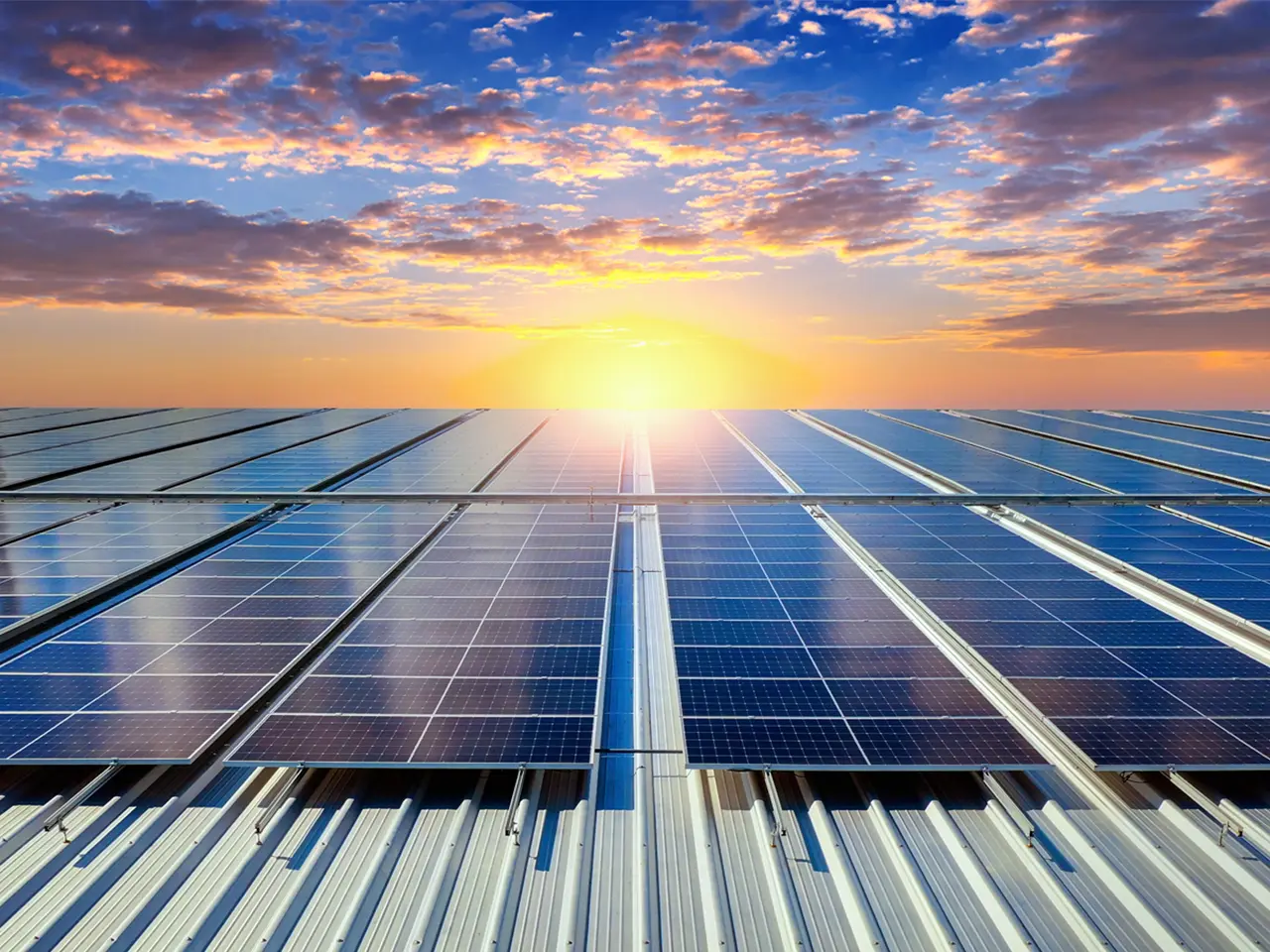
Applications in Solar Energy Systems
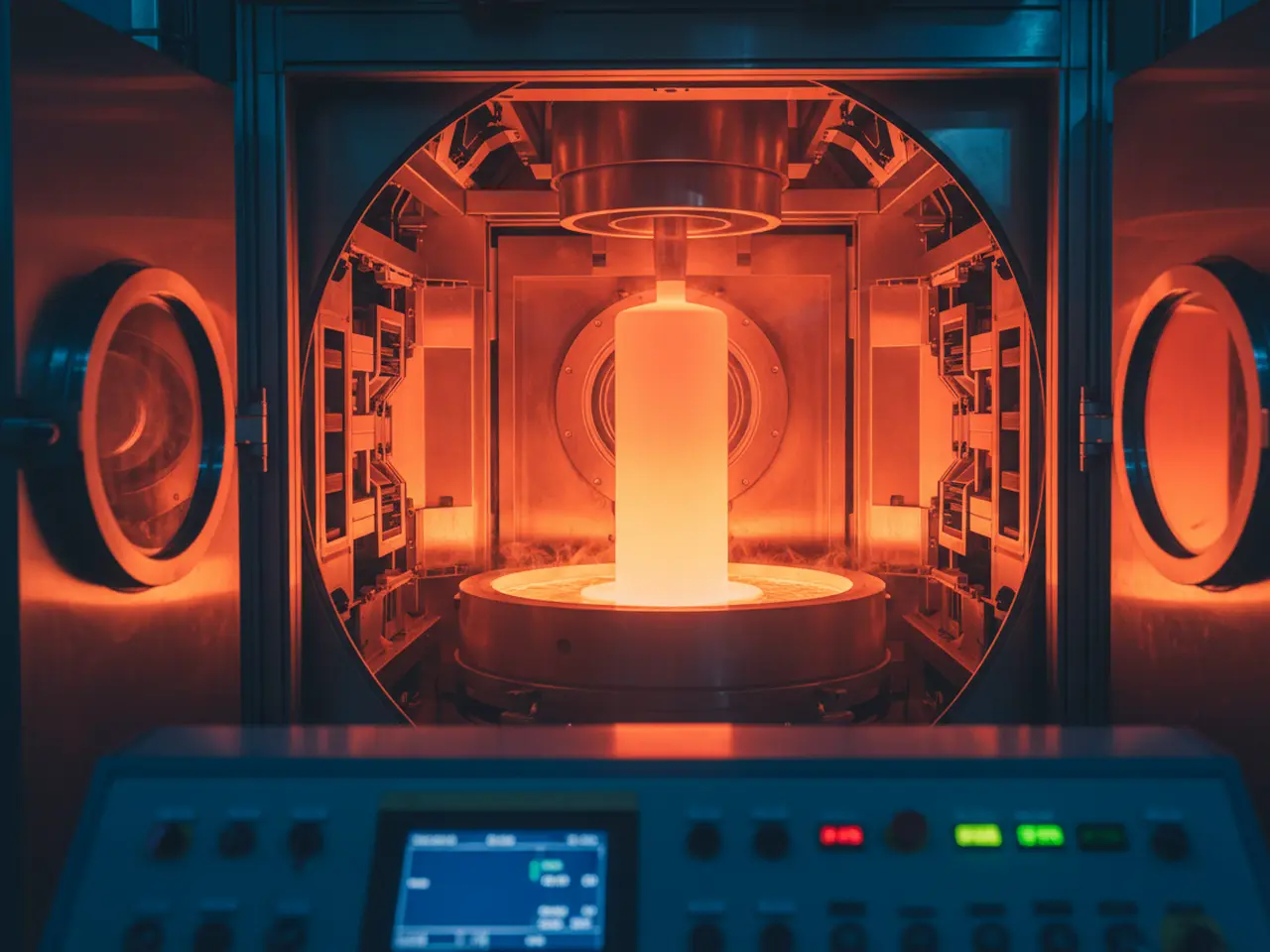
Photovoltaic Manufacturing (Silicon, Thin-Film, Advanced Solar Cells)
Advanced ceramics support nearly every stage of solar-cell manufacturing, where high temperatures, aggressive chemicals, and plasma processes demand stable, contamination-free materials.
Ceramics are used for:
- Silicon crystal growth: BN and alumina crucibles, spacers, and furnace insulation
- Wafering and cell processing: Shapal, Alumina, Boron Nitride, and Macor fixtures, carriers, and alignment parts
- Thin-film solar deposition (PVD, CVD, PECVD): Ceramic chamber components, shields, and insulators
- Thermal diffusion and doping furnaces: Alumina, Boron Nitride tubes, and boats
Dimensional stability and material purity help ensure consistent photovoltaic cell efficiency and yield.
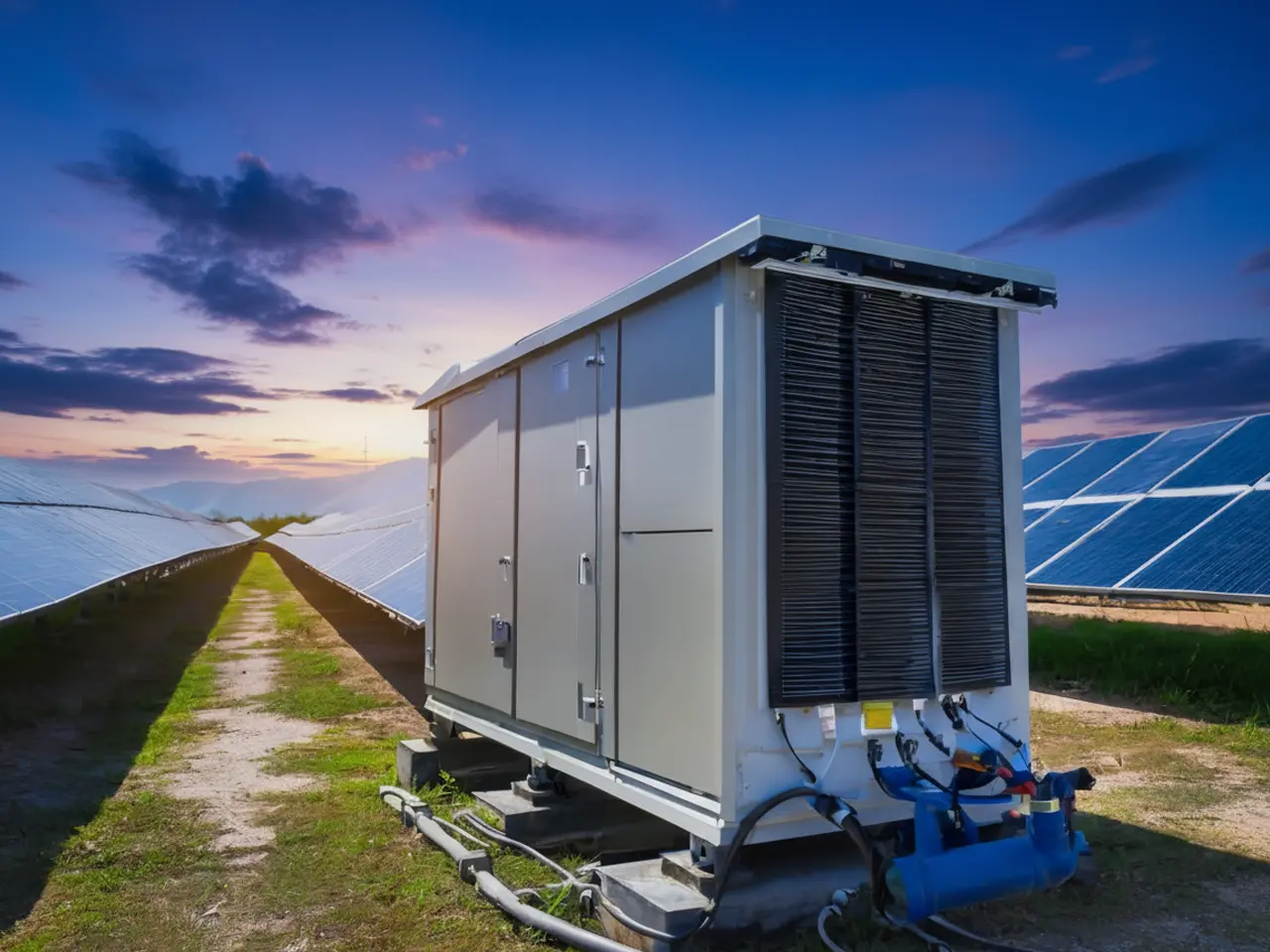
Power Electronics & Solar Inverters
Solar inverters rely on efficient thermal management and high electrical insulation to achieve long-term reliability. Ceramic materials significantly enhance inverter and power-electronics performance by providing:
- High-thermal-conductivity substrates (AlN)
- Dielectric insulation for high-voltage systems
- Ceramic heat sinks and thermal spreaders for IGBTs and MOSFETs
- Protective housings for sensitive electronics exposed to heat and vibration
- Long-life insulating components for grid-connected solar systems
With solar inverters often being a system’s single most failure-prone component, ceramics help reduce heat stress and extend operating lifetime.
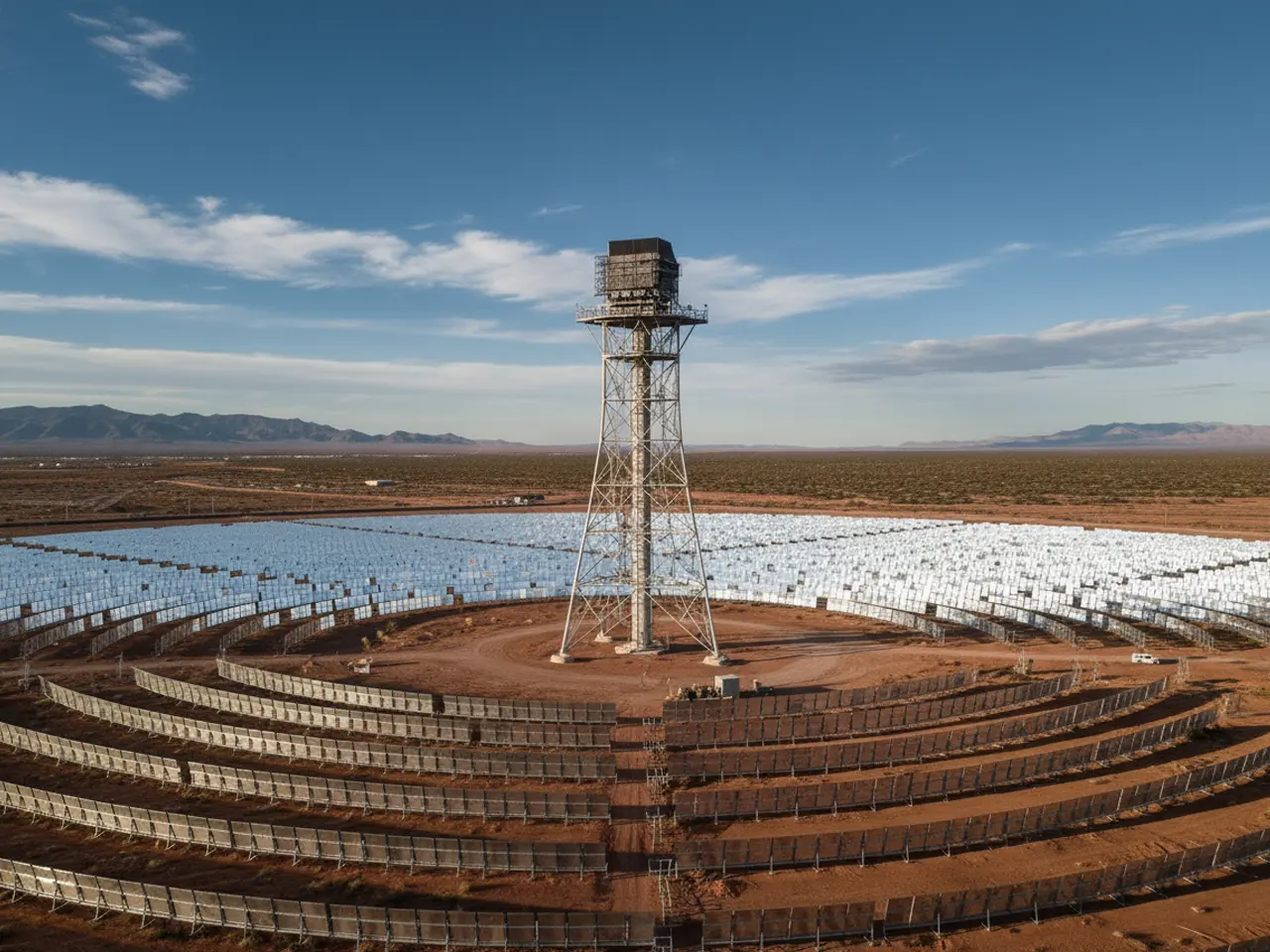
Concentrated Solar Power (CSP) & Thermal Energy Storage
CSP technology operates at extremely high temperatures and requires materials capable of withstanding thermal shock, oxidation, molten salts, and cyclic loading. Technical ceramics are indispensable for:
- Solar receiver components, absorber surfaces and high-flux structures
- Thermal-insulation systems for heliostat towers, pipes, and heat-transfer loops
- Ceramic-coated parts that resist oxidation and abrasion under concentrated sunlight
- Thermal-storage systems involving molten salts or high-temperature media
Alumina, aluminium nitride, and boron nitride are common in critical CSP components due to their stability and reliability in harsh thermal environments.
Solar Infrastructure & Long-Term Durability
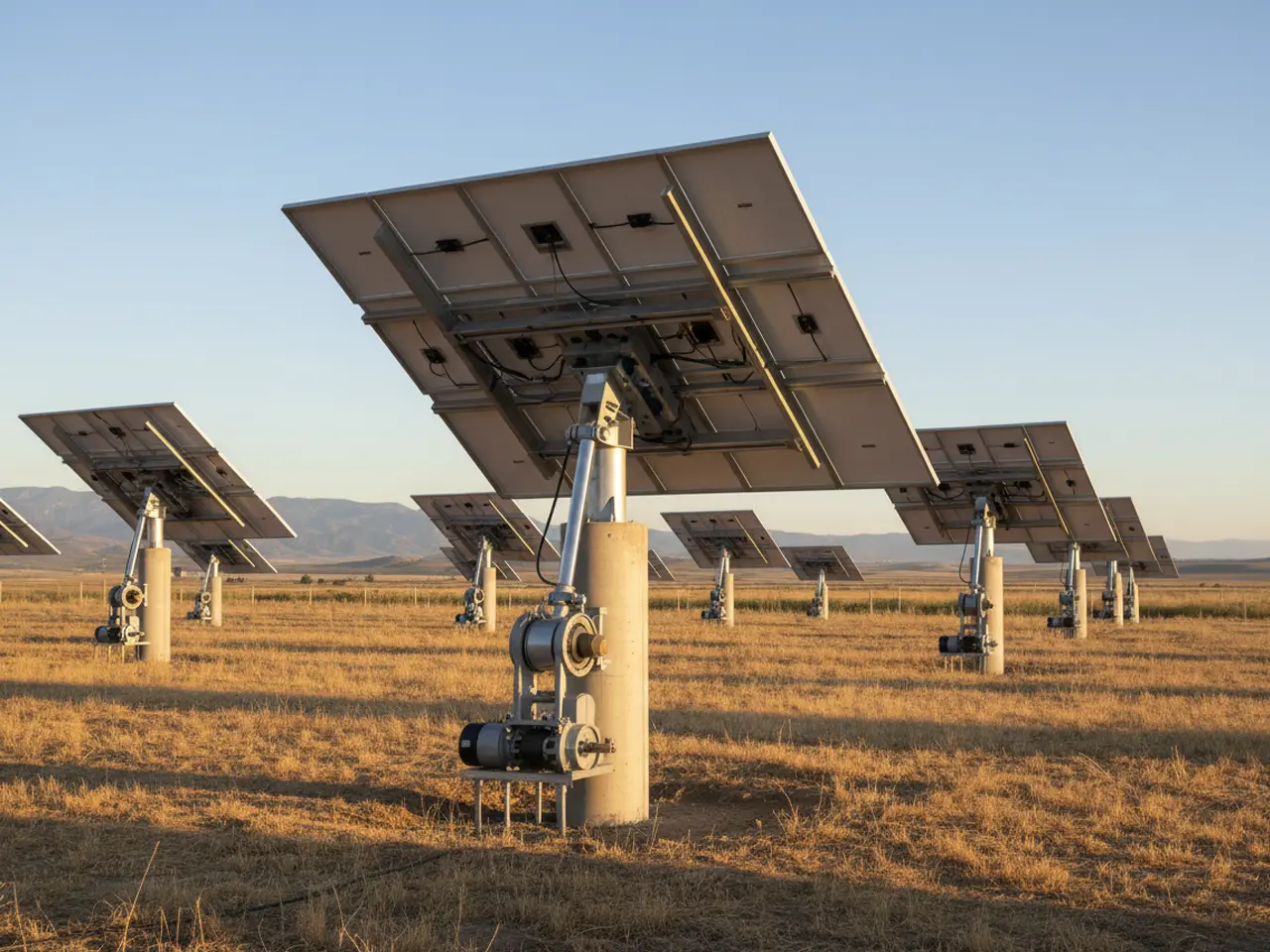
Solar installations must perform reliably for decades. Ceramics support long-term operational life through:
- Outdoor sensor housings and protective components resistant to UV, temperature extremes and corrosion
- Insulators and electrically isolating parts in high-voltage AC/DC solar systems
- Wear-resistant components for solar-tracking and mechanical positioning systems
- Ceramic coatings and composites to enhance structural durability
These ceramic components contribute to greater system uptime, reduced maintenance and improved long-term return on investment.
Ceramic Materials used in Solar Energy
Alumina
CeramAlox™
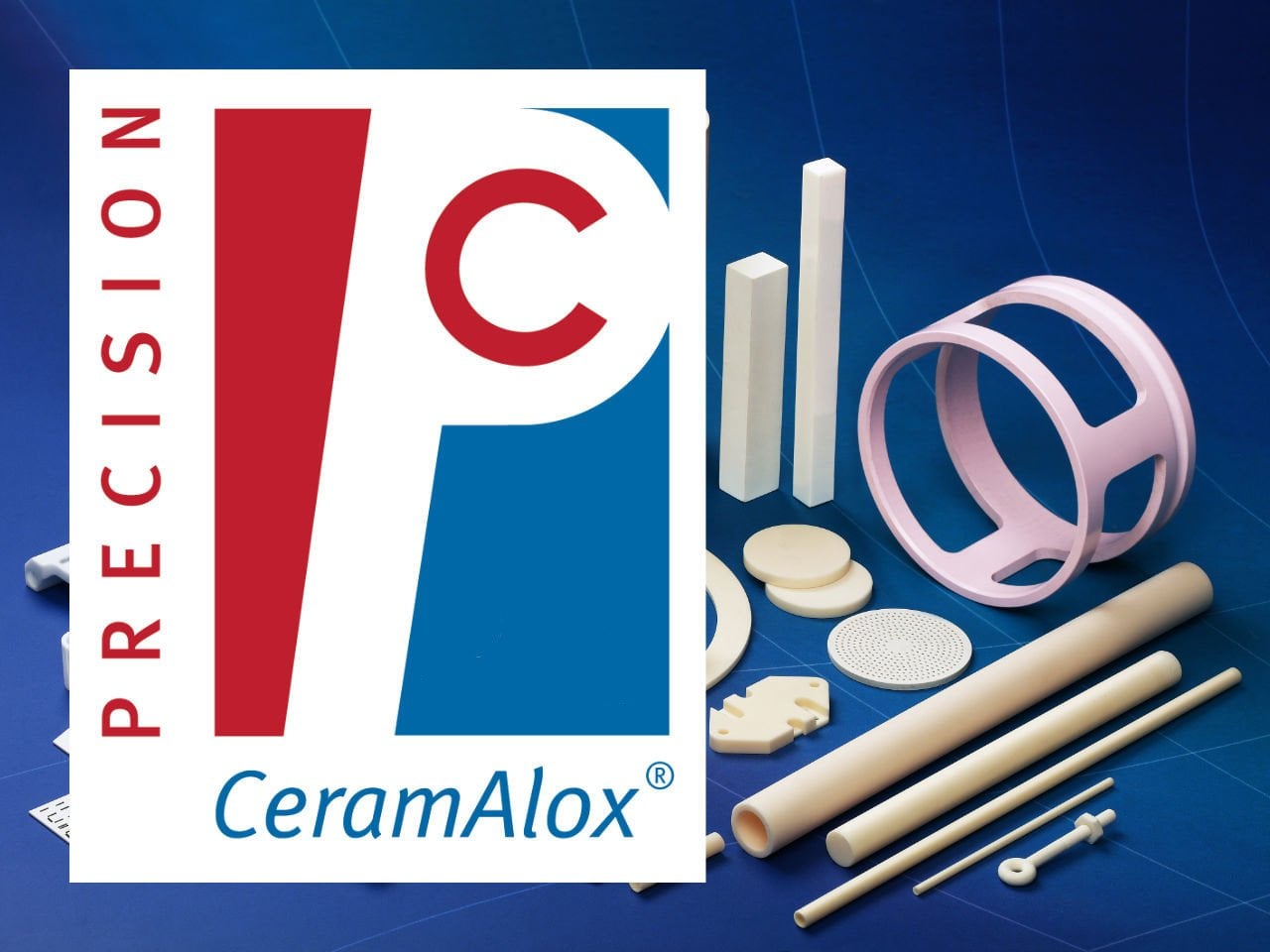
Alumina is a hard-wearing advanced technical ceramic material with strong electrical, mechanical, and thermal properties and suitable for a variety of applications. Alumina is also suitable for metallising and joining to provide hermetic seals which are often required in Ultra High Vacuum or sealed atmosphere applications.
Aluminum Nitride
CeramAlum™
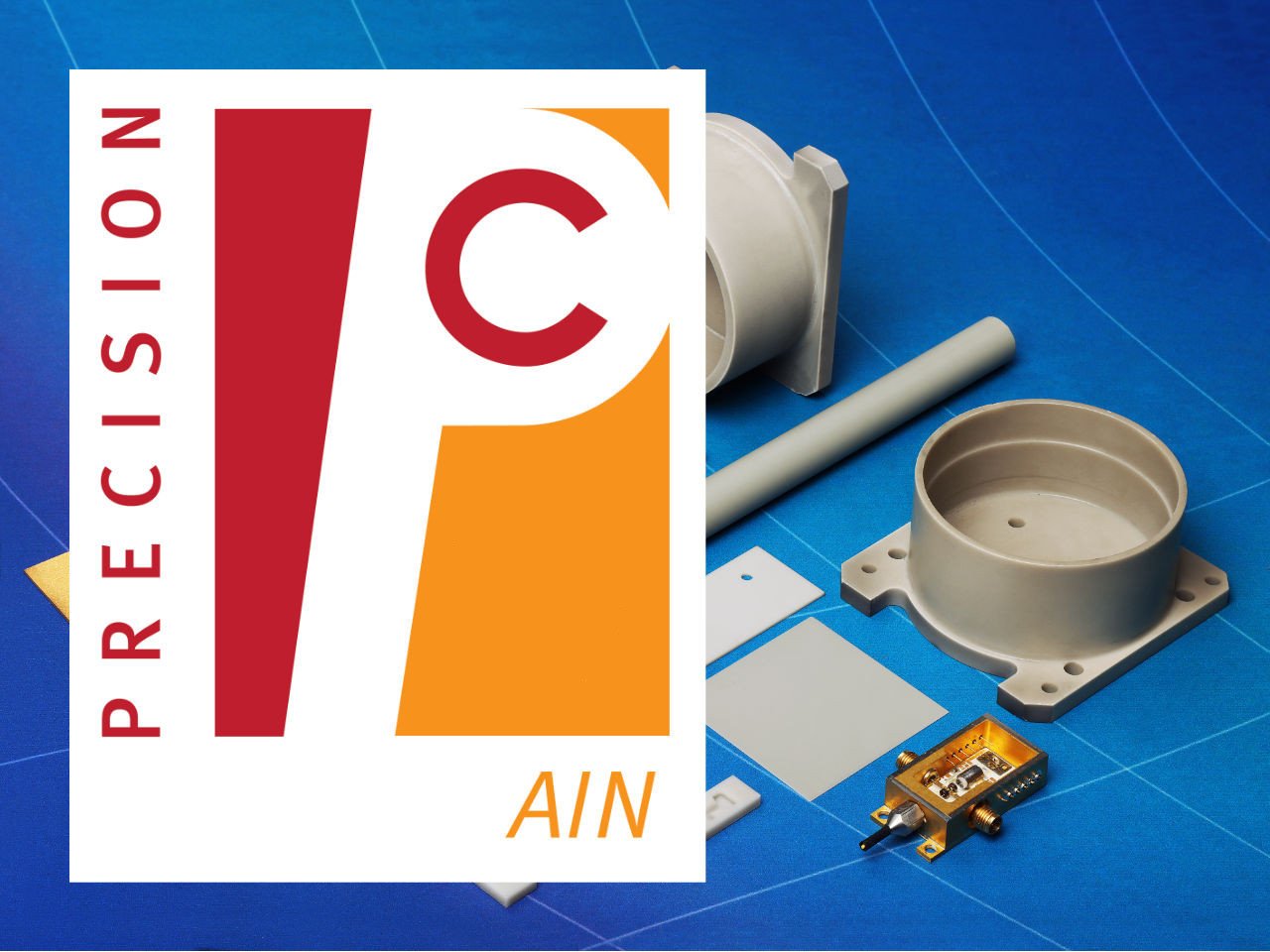
Aluminum Nitride (AlN) is an excellent material to use if high thermal conductivity and electrical insulation properties are required -- an ideal material for use in thermal management and electrical applications.
Macor®
Machinable Glass Ceramic
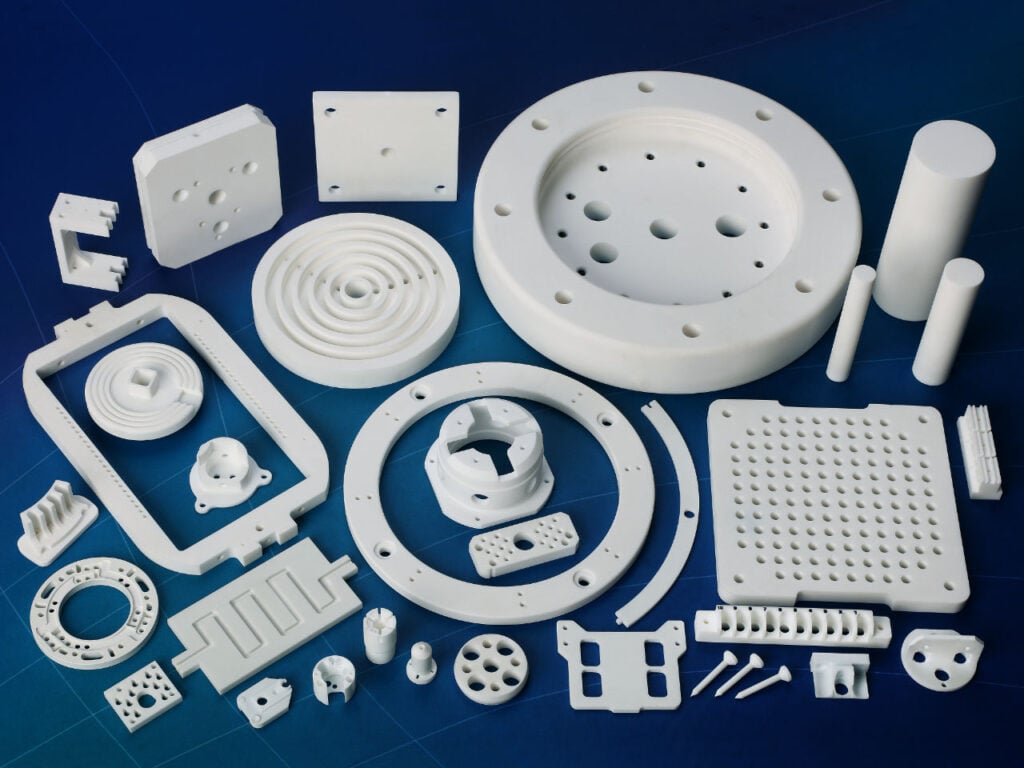
Macor is a hybrid glass-ceramic with the machinability of a metal, and the performance of an advanced technical ceramic. Macor is an excellent thermal and electrical insulator.
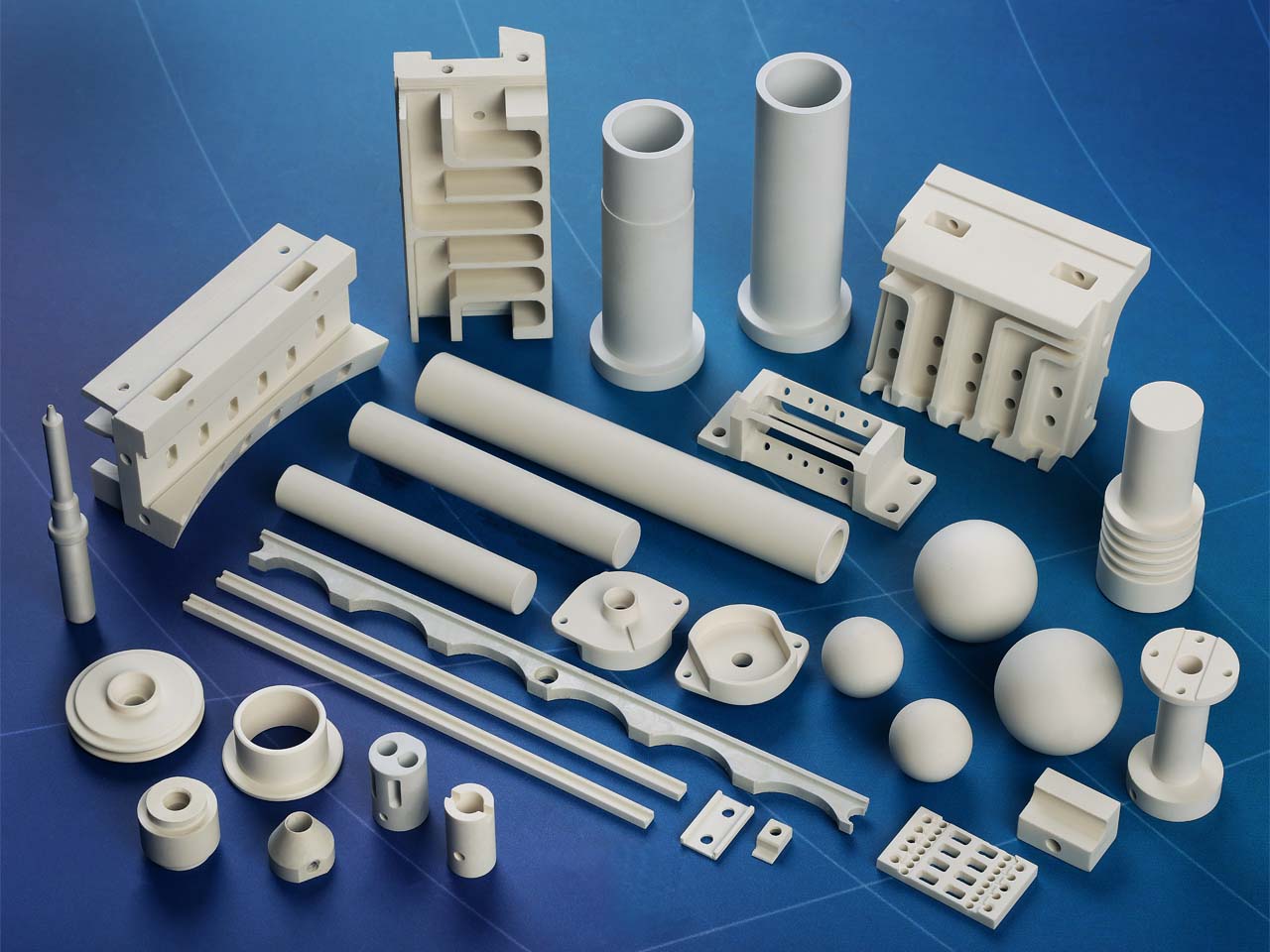
Shapal Hi M Soft™
Machinable AlN
Shapal Hi M Soft is a hybrid type of machinable Aluminum Nitride (AlN) ceramic that offers high mechanical strength, electrical insulation, and thermal conductivity.
Boron Nitride
Boron Nitride Grades
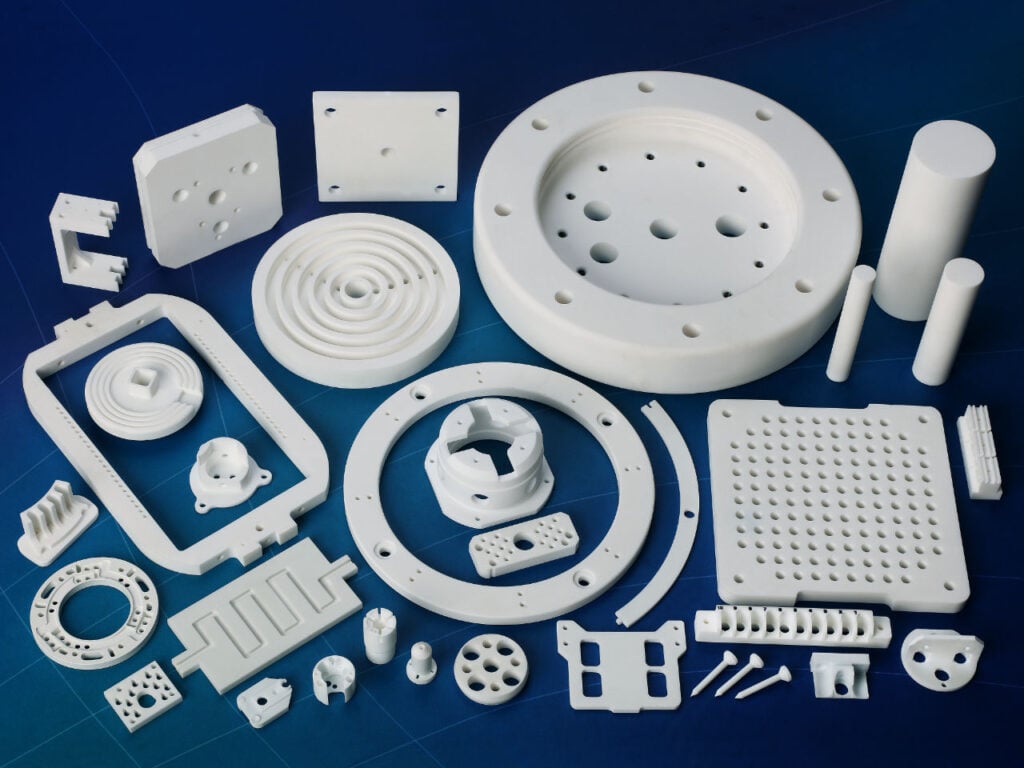
Boron Nitride (BN) is an advanced synthetic ceramic material available in solid and powder form. It has outstanding thermal conductivity, electrical insulation and thermal properties, and is easy to machine.
Datasheets
Alumina
All Grades CeramAlox
Aluminum Nitride
PCAN1000
Macor
Machinable Glass Ceramic
Shapal Hi M Soft™
Machinable Aluminum Nitride
Boron Nitride
Grade AX05
Frequently Asked Questions
-
Why are ceramics important in solar energy technology?
Ceramics provide the thermal stability, insulation, chemical resistance, and purity required in both PV manufacturing and solar-power systems. These properties help improve manufacturing precision, reduce system failures, and extend operational life.
-
Which ceramic properties are most valuable for solar applications?
Key performance attributes include:
- Mechanical wear resistance
- High-temperature resistance
- Excellent electrical insulation
- High thermal conductivity (AlN)
- Corrosion and oxidation resistance
- Low contamination and high purity
- Dimensional stability under thermal cycling
Explore Materials & Properties
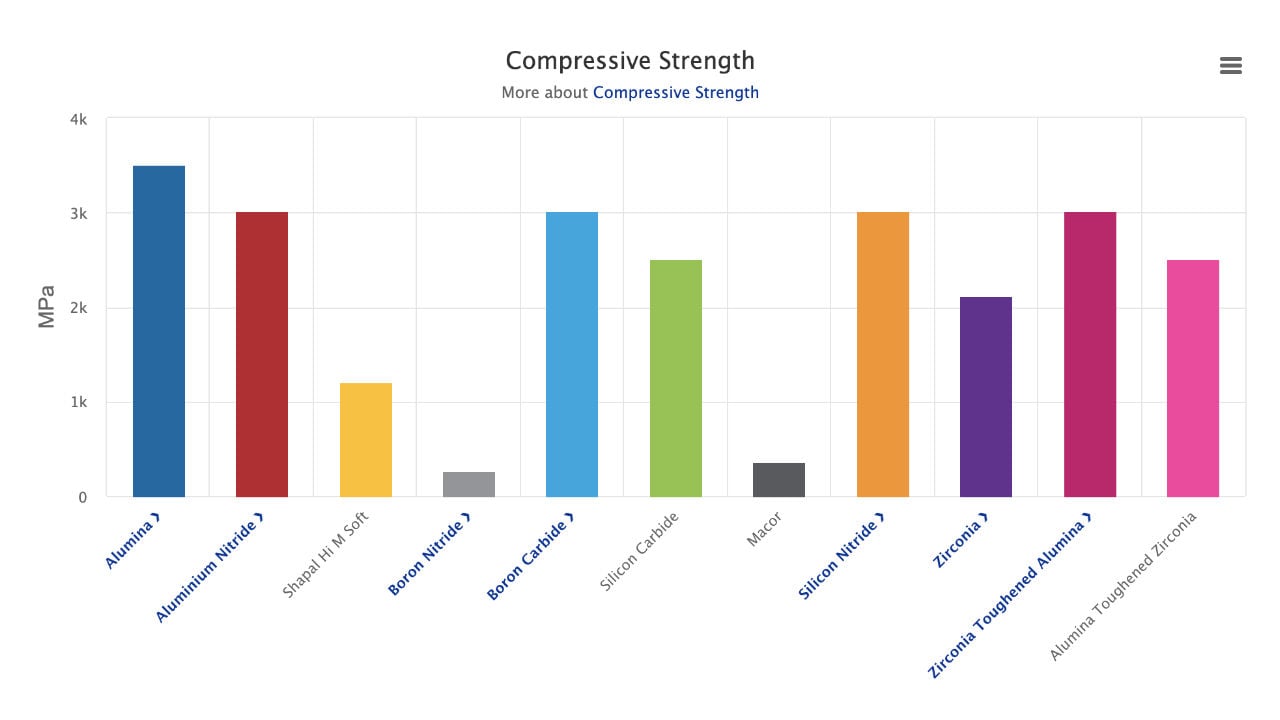
Ceramic Materials Comparison Chart

Ceramic Material Properties Table
Access comprehensive data for all our advanced ceramics in one place. Our material properties table provides detailed technical specifications — helping engineers and designers make informed material selections for high-performance applications.
Related Topics
Hydrogen Energy
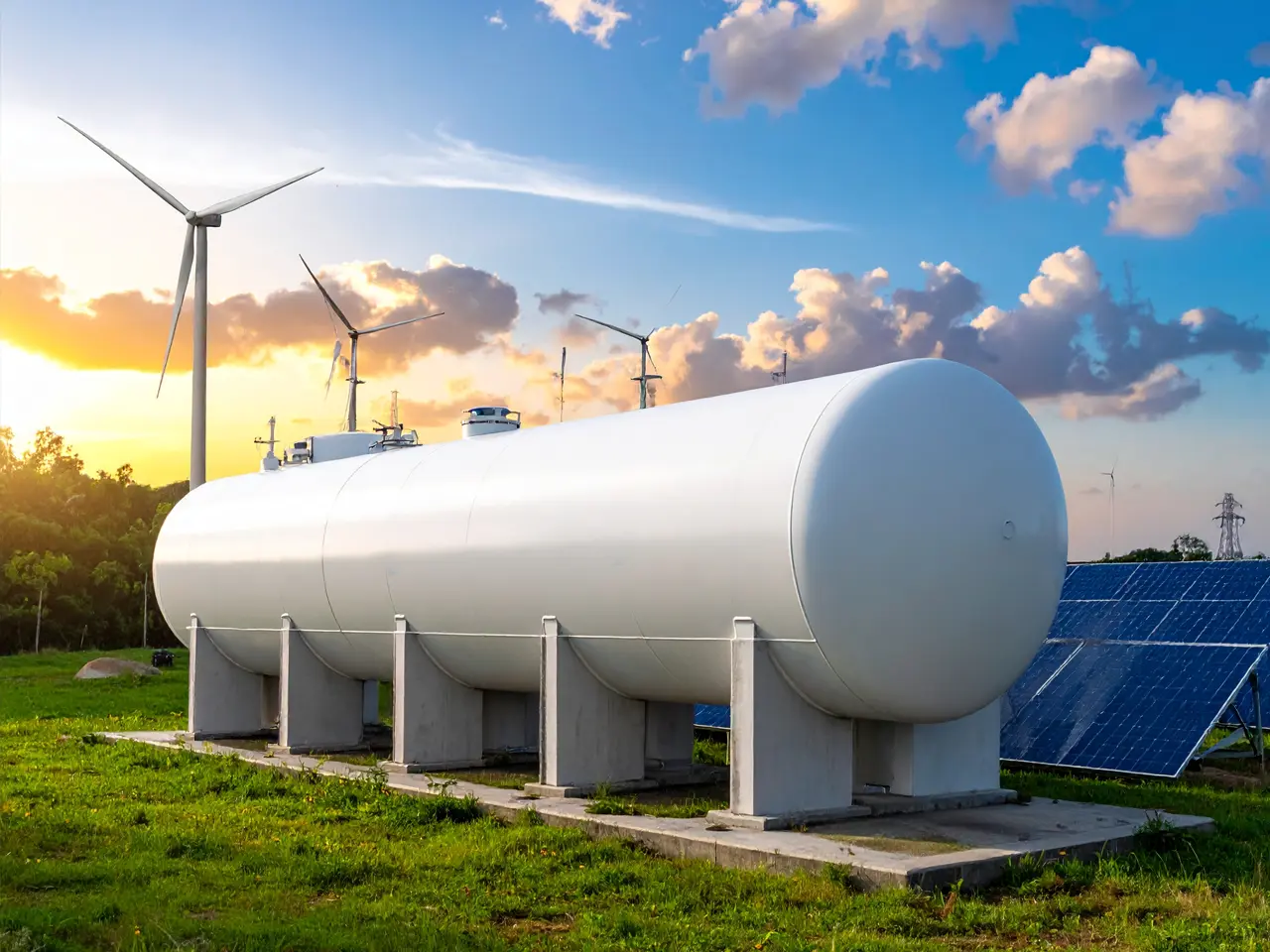
Ceramics are critical to hydrogen production, storage, and fuel cell technologies, where they ensure reliability in high-temperature and corrosive environments. Their electrical insulation and chemical stability make technical ceramics ideal for both proton exchange membrane (PEM) and solid oxide fuel cells (SOFCs), as well as hydrogen generation systems.
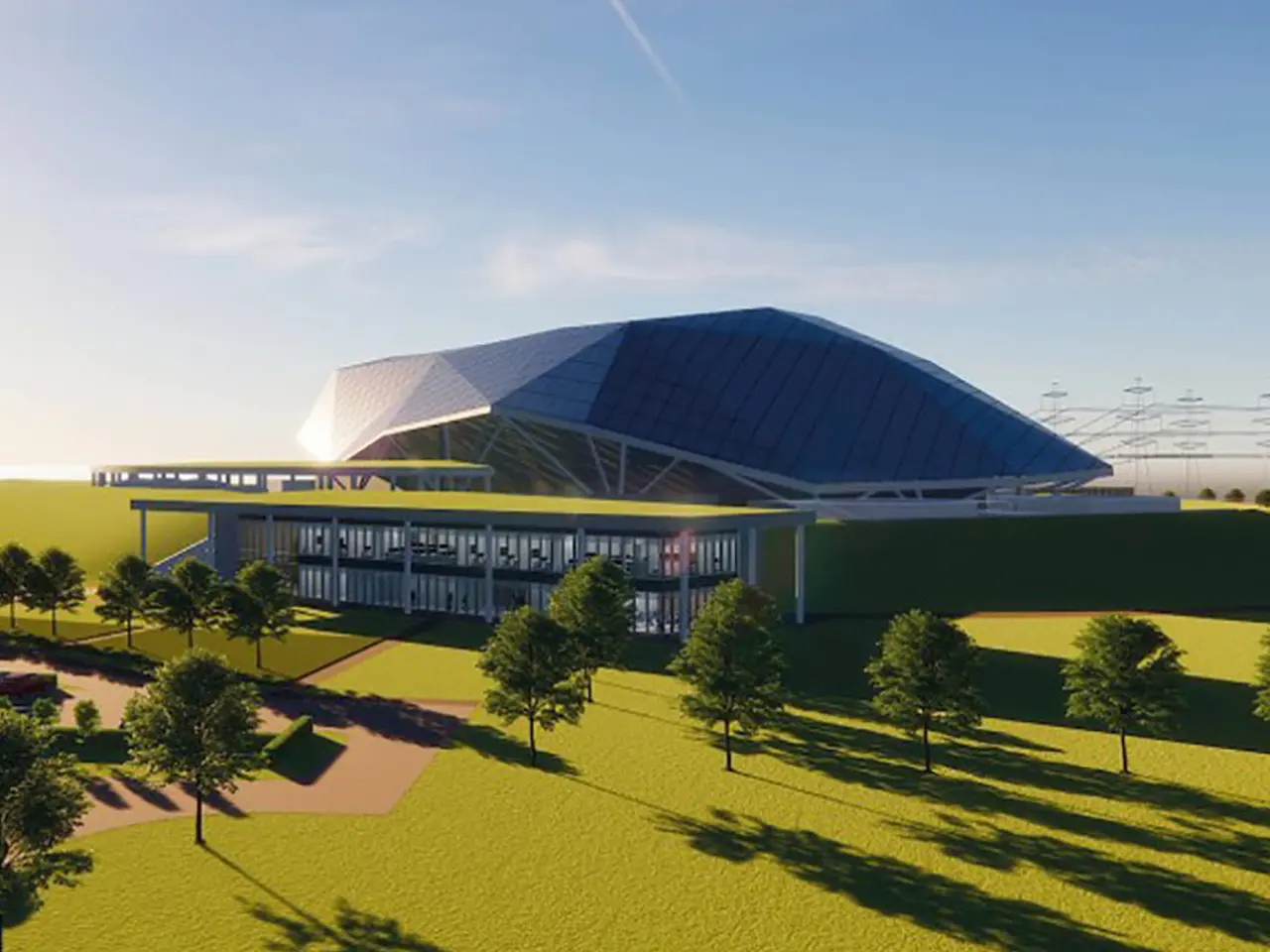
Nuclear Fission (SMR)
Small Modular Reactors (SMRs) and advanced fission systems require materials that can withstand radiation exposure, high temperatures, and corrosive coolants over long lifecycles. Precision Ceramics supplies ceramics for control systems, fuel handling, sensor insulation, and containment structures—providing reliable performance and safety in compact, next-generation nuclear power designs.
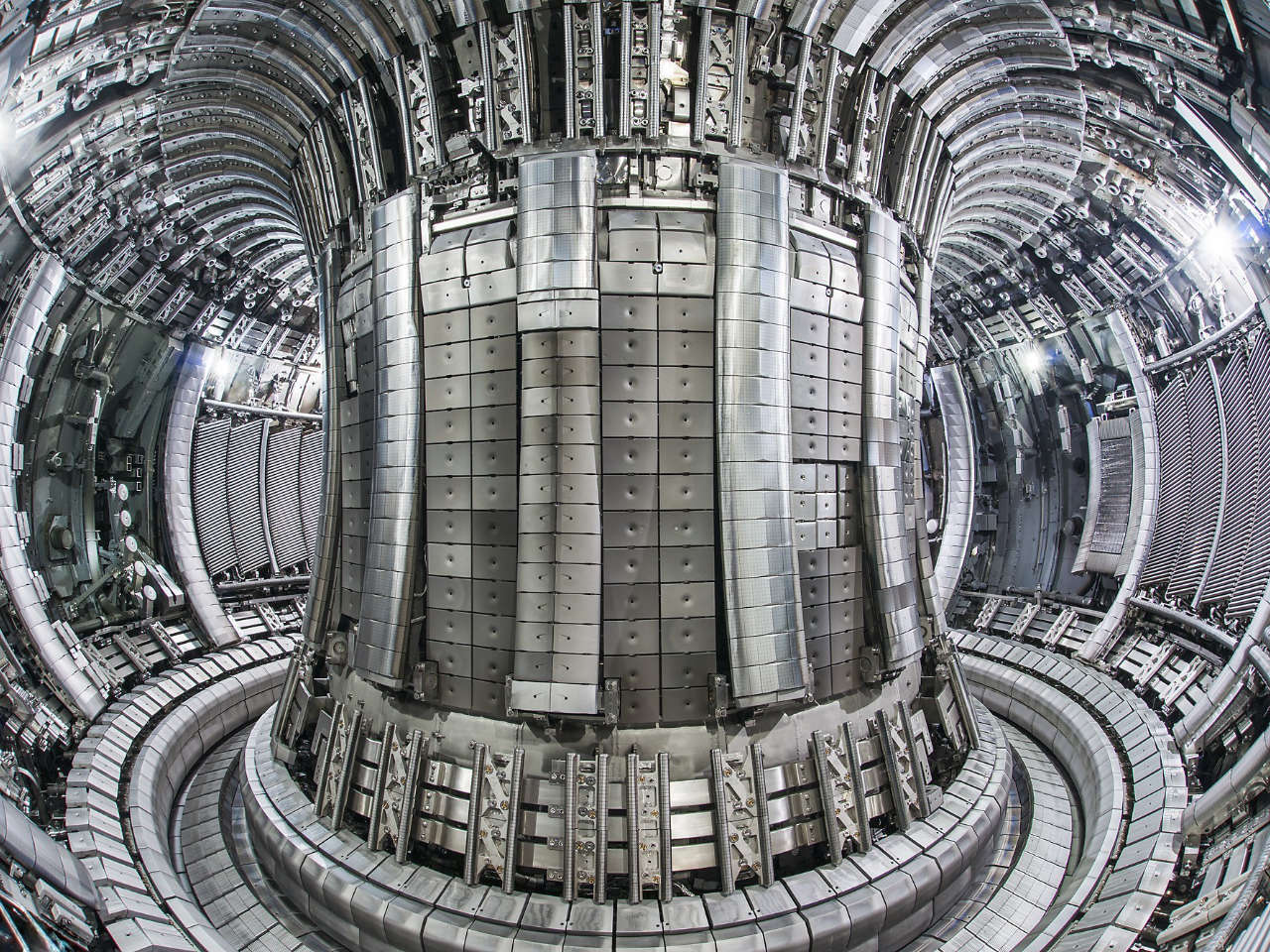
Nuclear Fusion
Precision Ceramics has decades of experience supplying ceramics for fusion research and reactor development. Our materials are used for plasma-facing components, diagnostic feedthroughs, insulators, and thermal barriers in some of the most extreme environments ever engineered.
Oil and Gas
Even as the energy landscape transitions, oil and gas remain vital to global infrastructure. Ceramics play a crucial role in exploration, drilling, and refining, where components face extreme wear, pressure, and temperature. Our materials offer superior erosion resistance, electrical insulation, and dimensional stability, ensuring reliability in downhole tools, sensors, and high-performance valves.